16 Ombré Hair Color Ideas From Subtle Fades to Bold Blends
Ombré is the one color technique that lets you keep your natural roots and still change the way you look from the shoulders down. The gradient hides regrowth, which is why women who dislike salon visits keep choosing it. What separates a good ombré from a dated one is the blend zone.
A fade that starts at the cheekbone and finishes at the collarbone looks grown-in and expensive. A hard line at the ears looks like two separate colors stacked on top of each other. The shades below run from the brunette classics colorists book every week to the vivid versions that need bleach and patience.
Dark Brown to Caramel Ombré
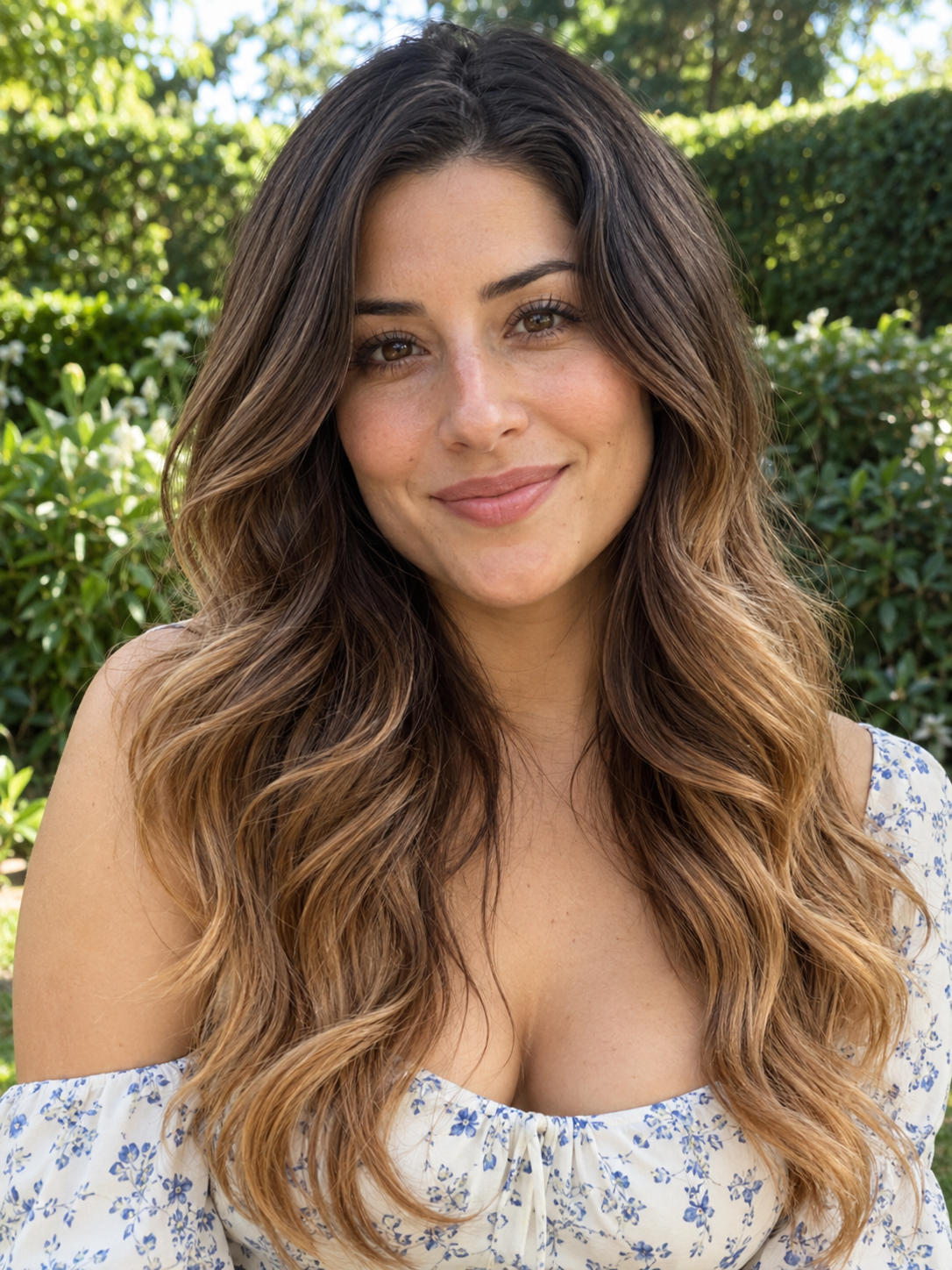
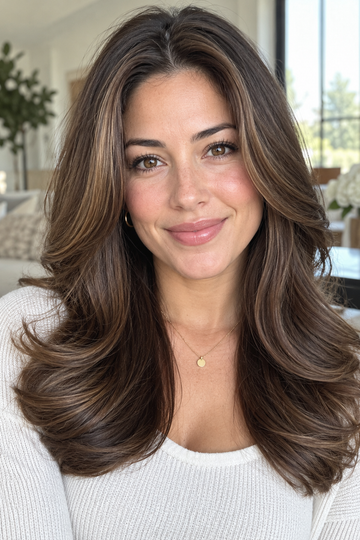
The most booked ombré in salons fades a deep natural brown into warm caramel ends. The transition starts around the cheekbone and finishes in a golden-brown that catches light without going blonde.
Brunettes who want warmth without a dramatic change pick this first. It needs only one lightening session for most hair. A color-safe shampoo keeps the caramel from dulling, and a gloss every eight weeks refreshes the shine.
Black to Ash Blonde Ombré
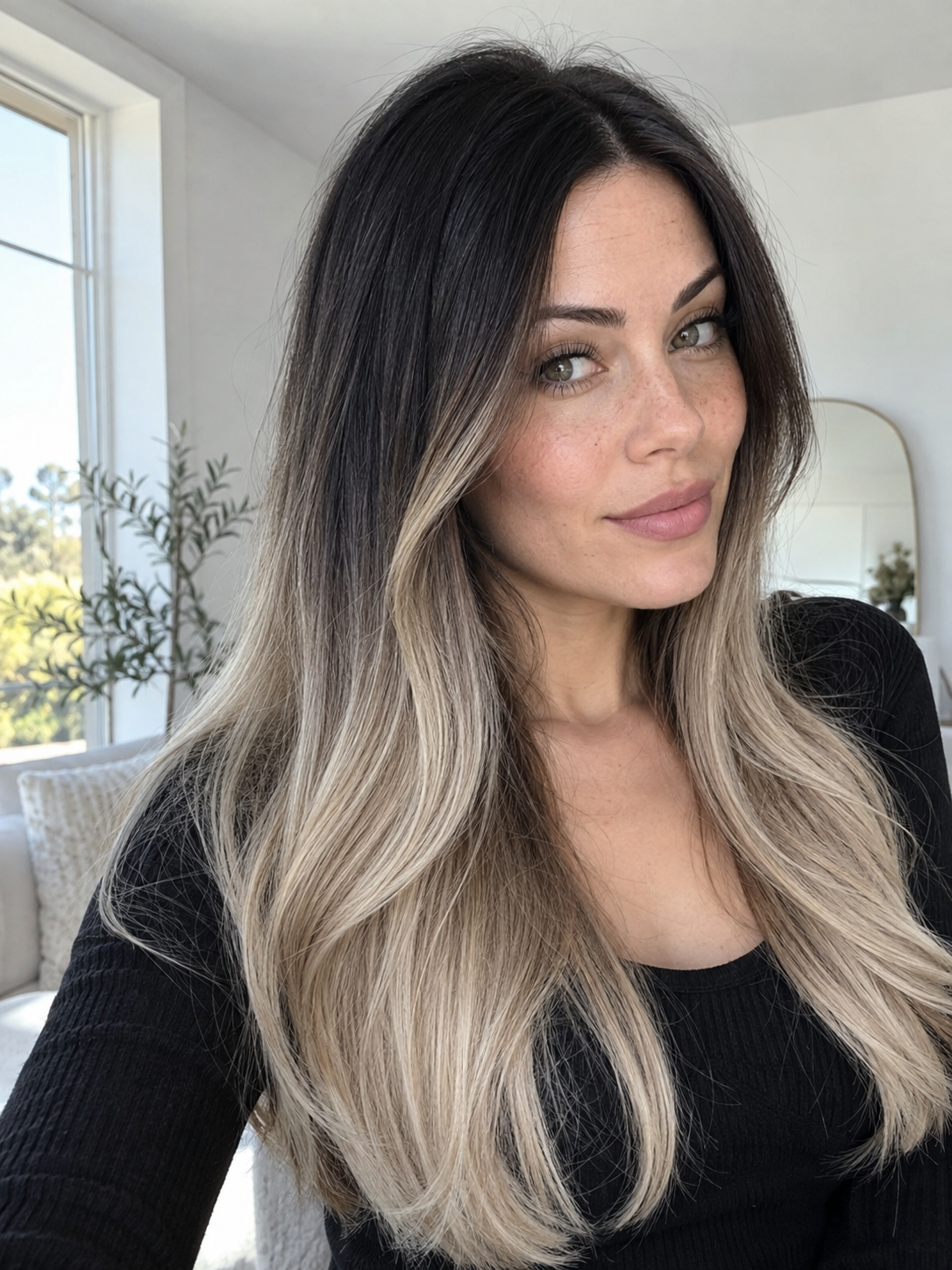
Taking black hair to cool ash blonde ends is a high-commitment look that pays off in contrast. The dark root stays untouched while the lower half lifts through several levels of bleach.
Toning is essential, since lifted black hair pulls orange on its own. Expect at least two sessions and a purple shampoo in rotation at home. The result is striking on long hair where the gradient has room to blend.
Chocolate to Honey Blonde Ombré
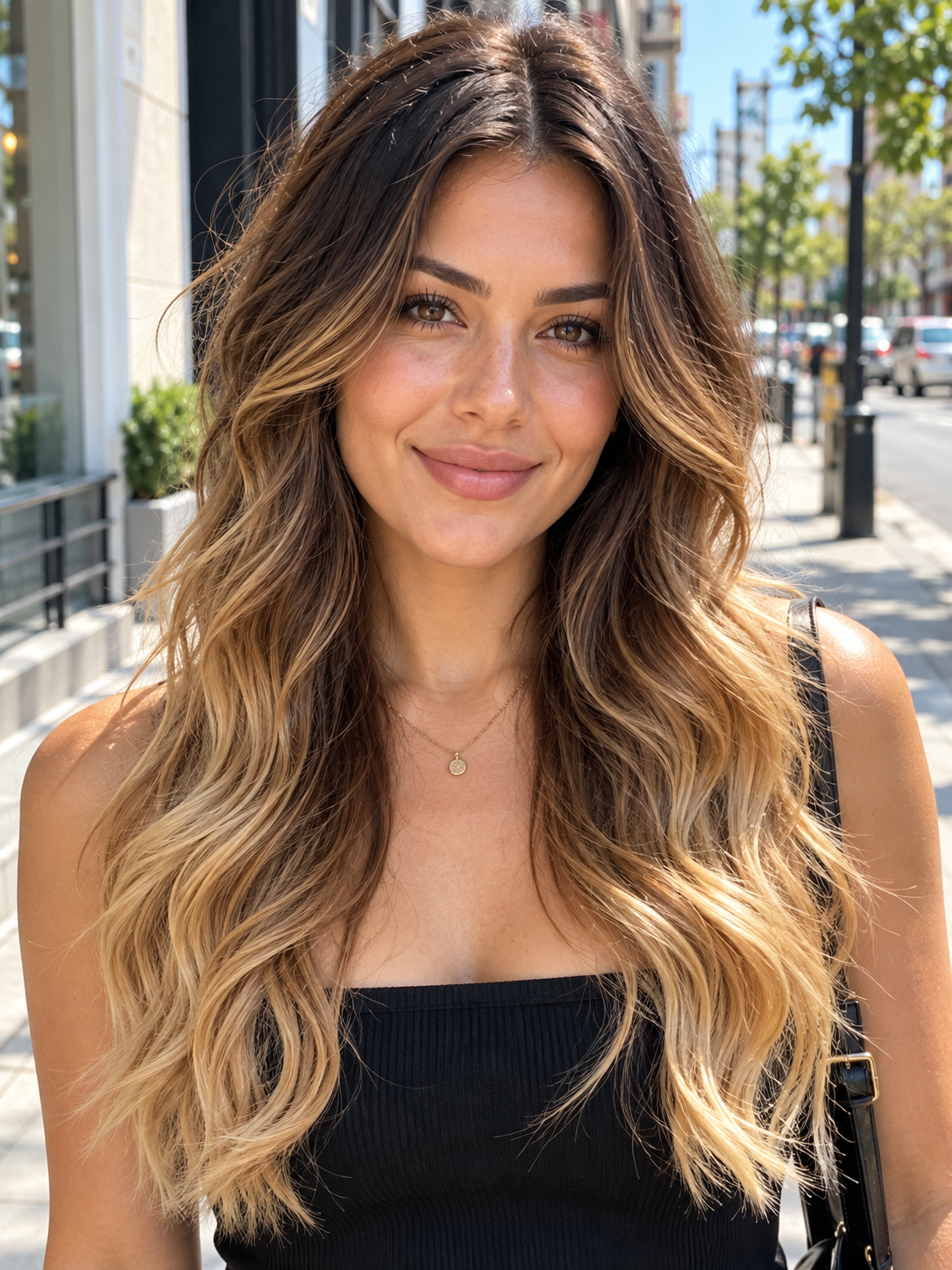
Rich chocolate brown melting into honey blonde ends gives a sunlit effect that looks like a summer spent outdoors. The honey sits lighter and brighter than caramel, closer to a true blonde with a gold undertone.
Colorists often hand-paint the blend so it fades unevenly, which looks more natural. Honey tones fade toward brassy over time, so a blue or purple shampoo once a week keeps them clean.
Dark Roots to Platinum Ombré
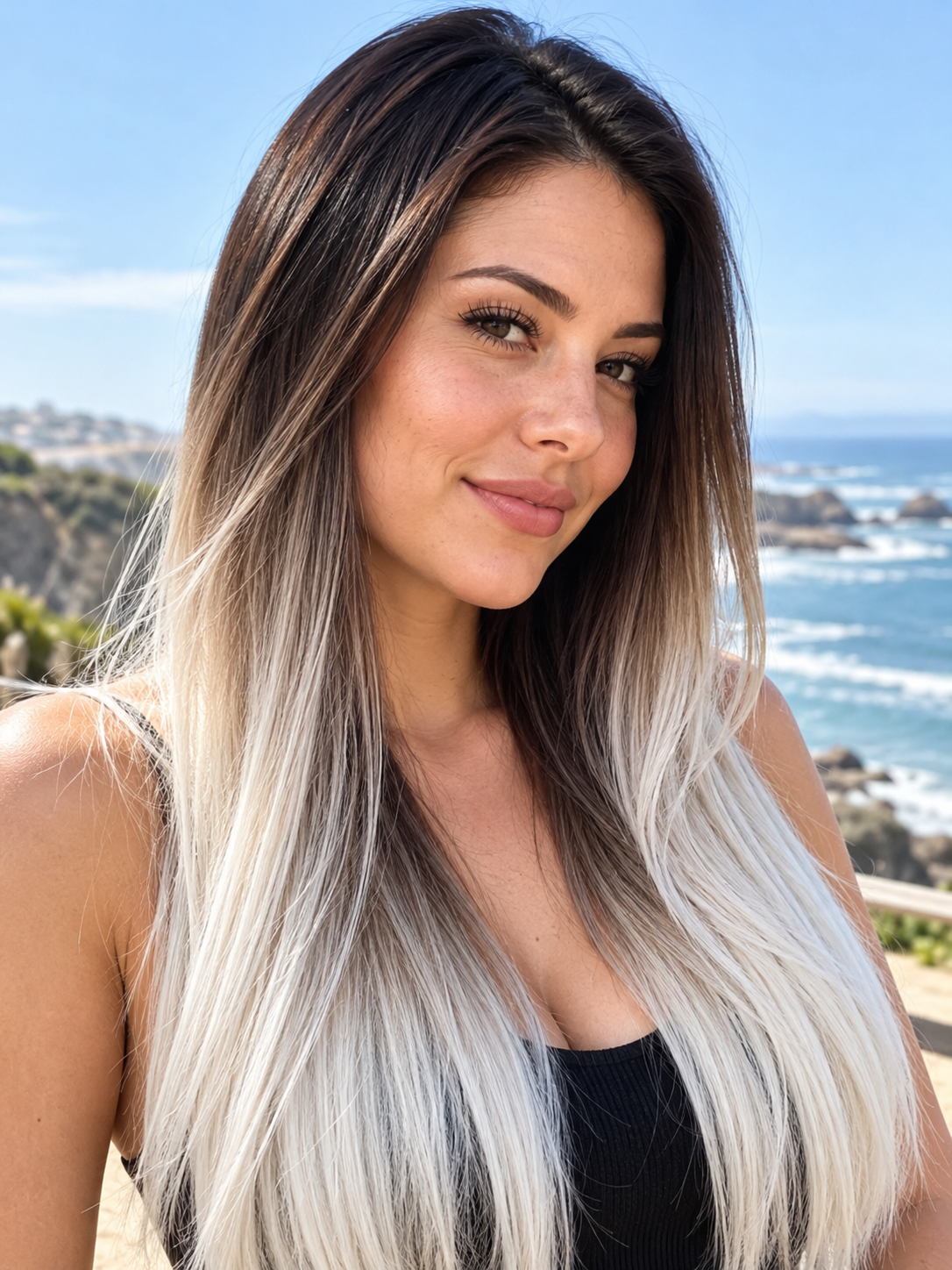
For the boldest contrast, dark roots fade into bright platinum ends. This one requires lifting the lower lengths past pale yellow and toning to an icy white. On naturally dark hair that means multiple sessions and real care afterward.
Weekly bond-building treatments are non-negotiable. The dark root makes regrowth invisible, so the maintenance is about keeping the ends healthy and toned, not about frequent salon visits.
Sombré
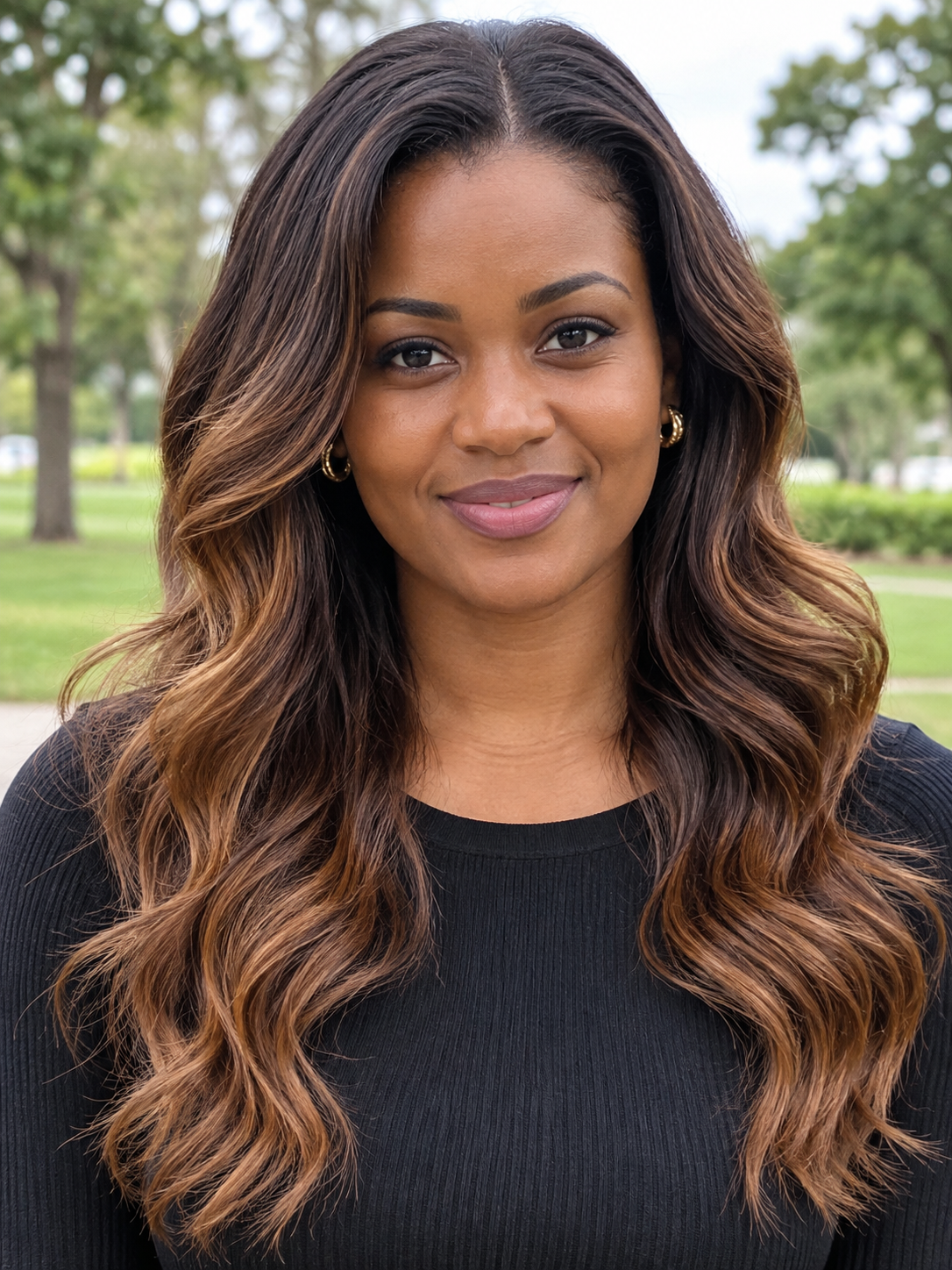
A softer, subtler ombré that lifts the ends only a shade or two lighter than the root. The fade is so gradual it looks like natural sun exposure. Brunettes get a lighter brown at the ends, blondes a slightly brighter blonde.
Sombré is the lowest-maintenance option in this list, since the blend is forgiving and the lift is minimal. A gloss every couple of months is usually all it needs.
Brunette to Copper Ombré
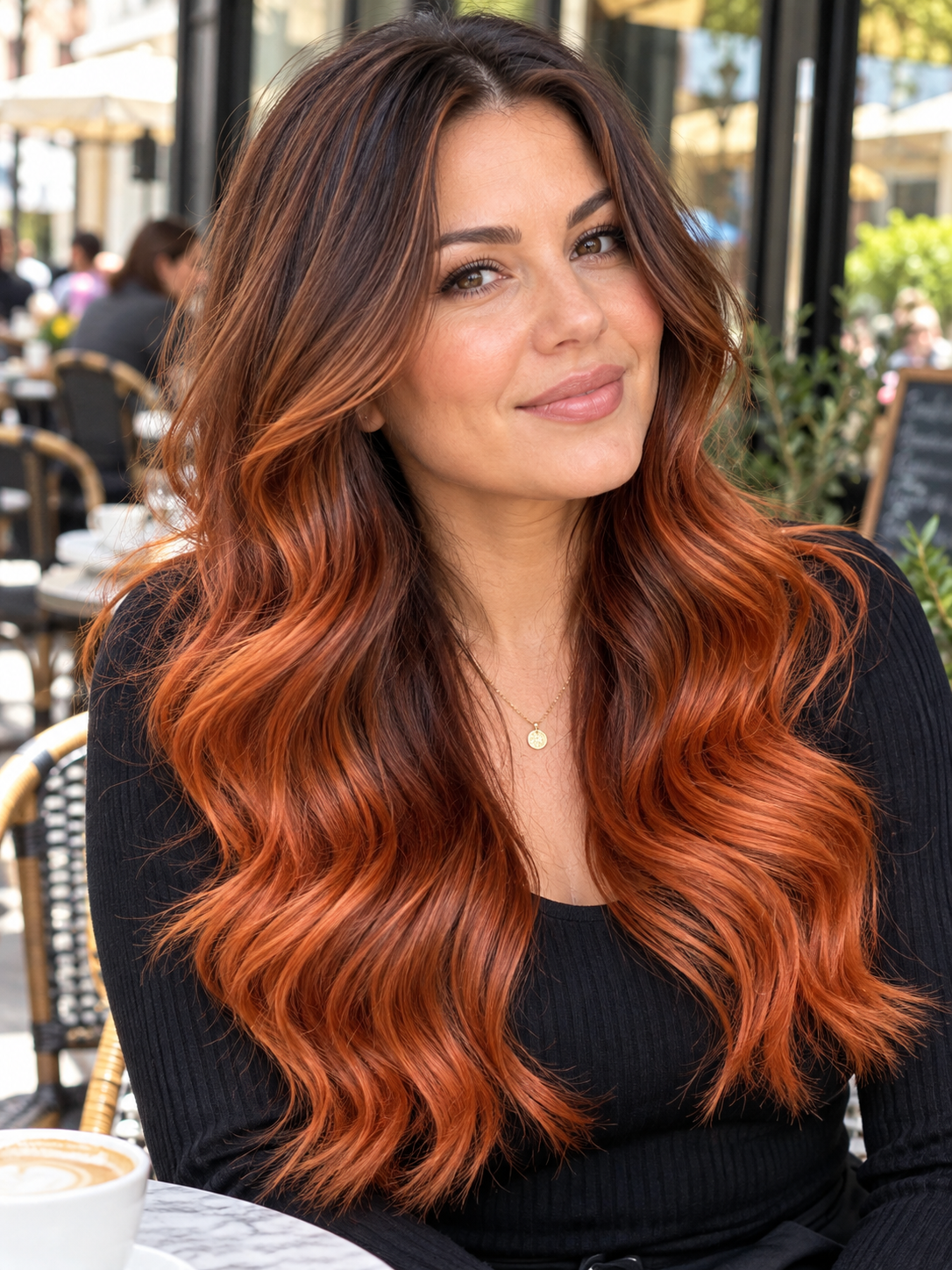
Warm brown roots fading into bright copper ends bring real heat to brunette hair. The copper sits between orange and red, with a metallic shine when the hair is healthy. Lifting to a copper takes less bleach than going blonde, so the hair stays in better condition.
Copper fades faster than almost any other shade, though. Plan on a color-depositing conditioner every week and a refresh every six weeks.
Auburn to Strawberry Blonde Ombré
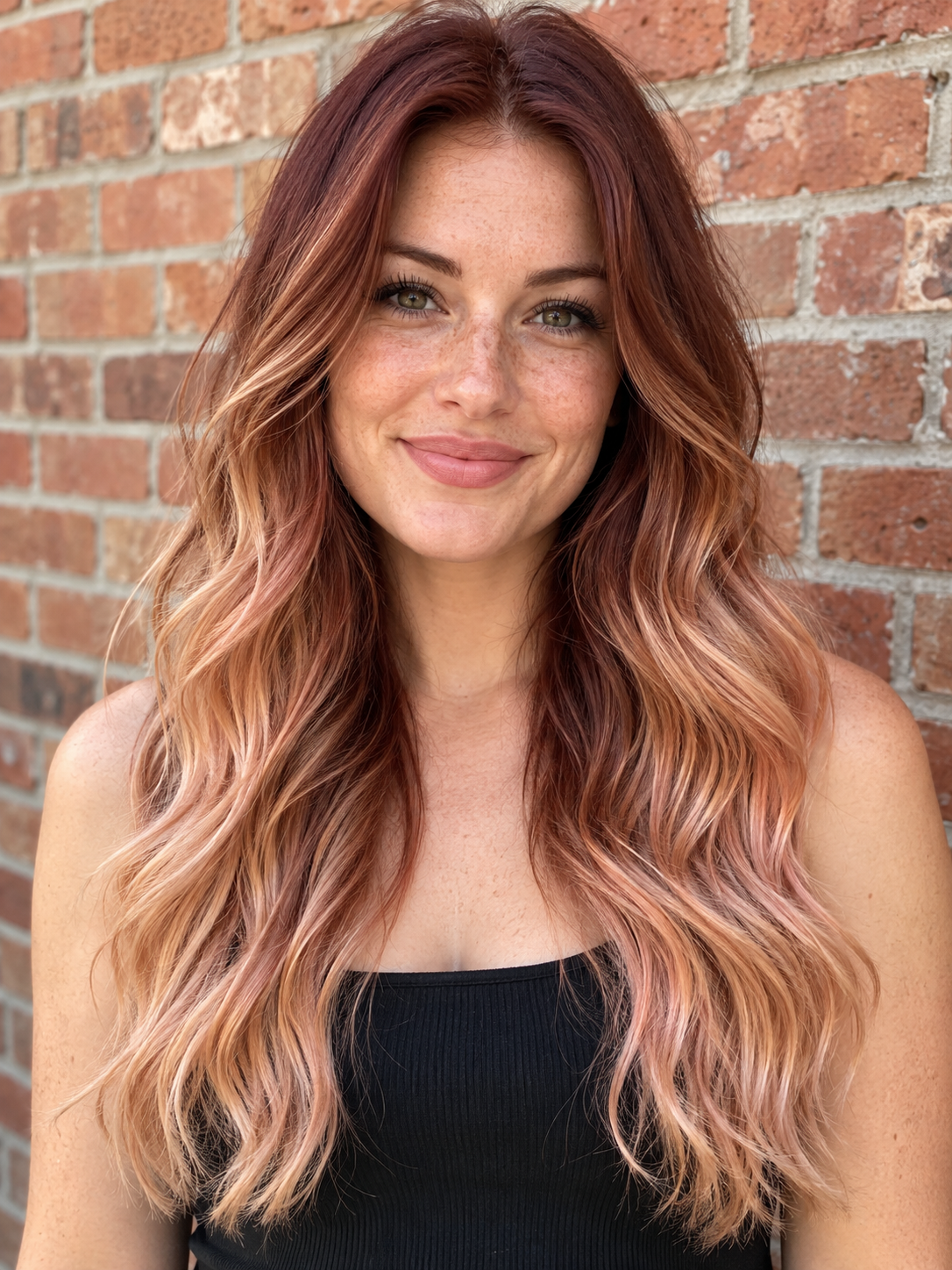
Deep auburn at the root softening into strawberry blonde ends keeps everything in the red family. The shift is gentle enough to look natural on redheads and warm enough to flatter anyone with warm undertones.
Strawberry blonde needs a light lift and a pink-gold toner. Both shades fade quickly in sun, so a UV-protectant spray helps. Cool water rinses keep the red pigment in longer.
Espresso to Rose Gold Ombré
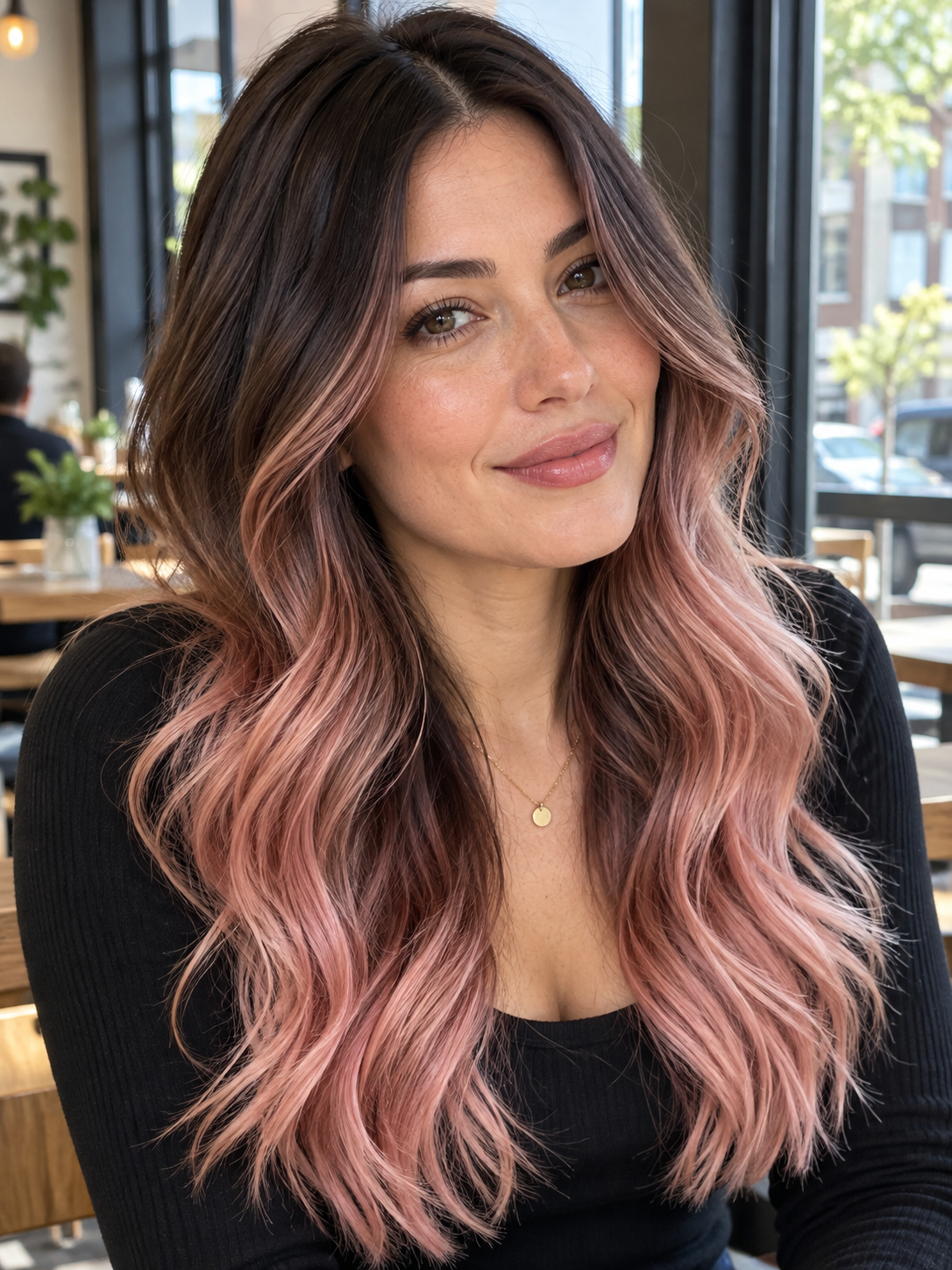
Dark espresso roots fading into pink-tinged rose gold ends create a soft, romantic finish. The rose gold needs the lengths lifted to a light blonde first, then toned with a pink-gold mix. On dark hair the lift takes two sessions.
The pink in rose gold washes out within a few weeks, so a pink-tinted conditioner keeps the tone alive. It photographs well in daylight and looks softer than a full pink.
Black to Burgundy Ombré
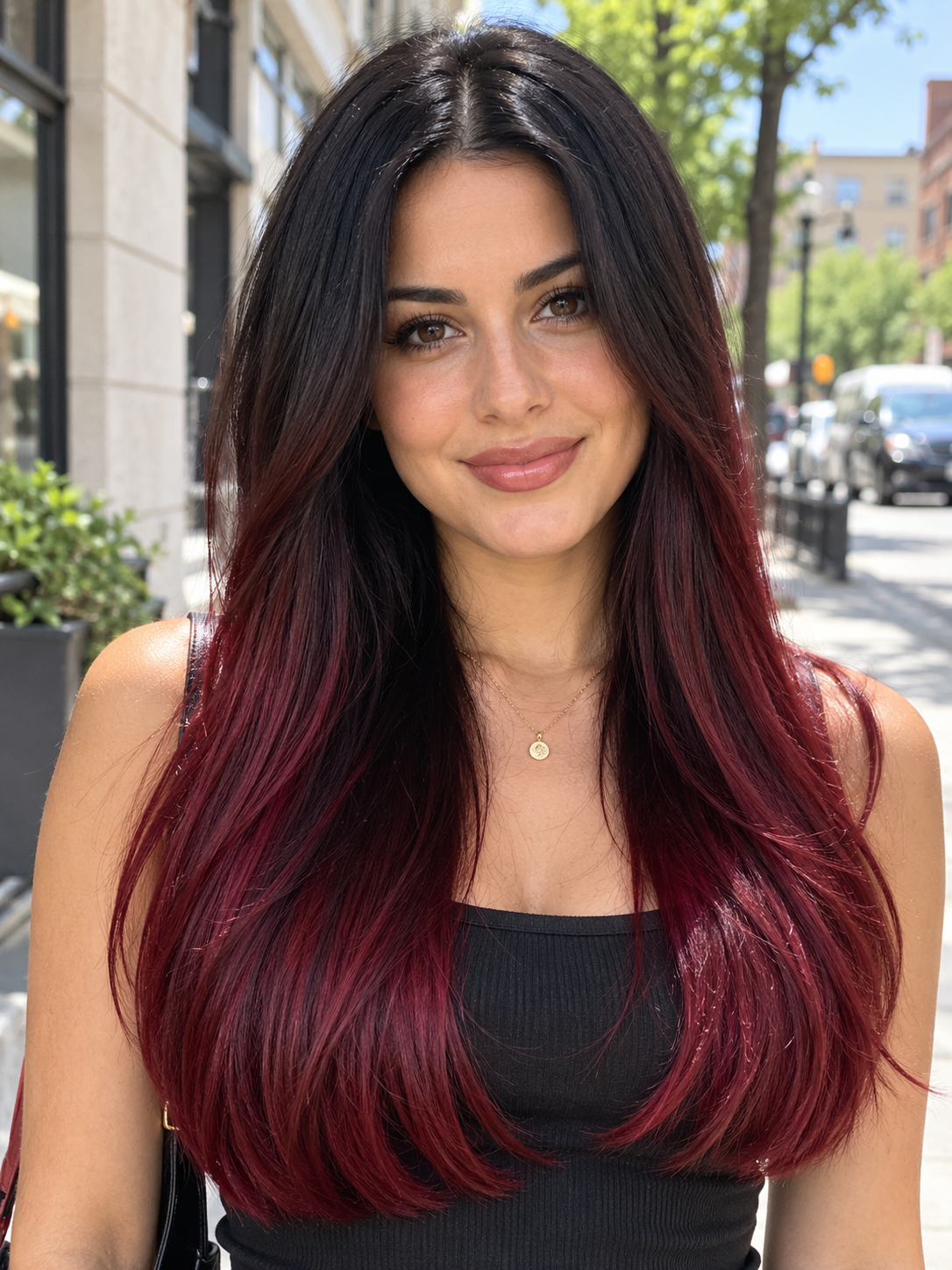
Black roots fading into deep wine-red ends give a rich, dramatic ombré that works without heavy bleaching. Burgundy sits dark enough that the lengths only need a moderate lift. The result is almost subtle indoors and vivid in sunlight.
Red pigment molecules are large and slip out of the hair fast, so cold rinses and a red-depositing mask every week or two keep the burgundy from going brown.
Dark Brown to Silver Ombré
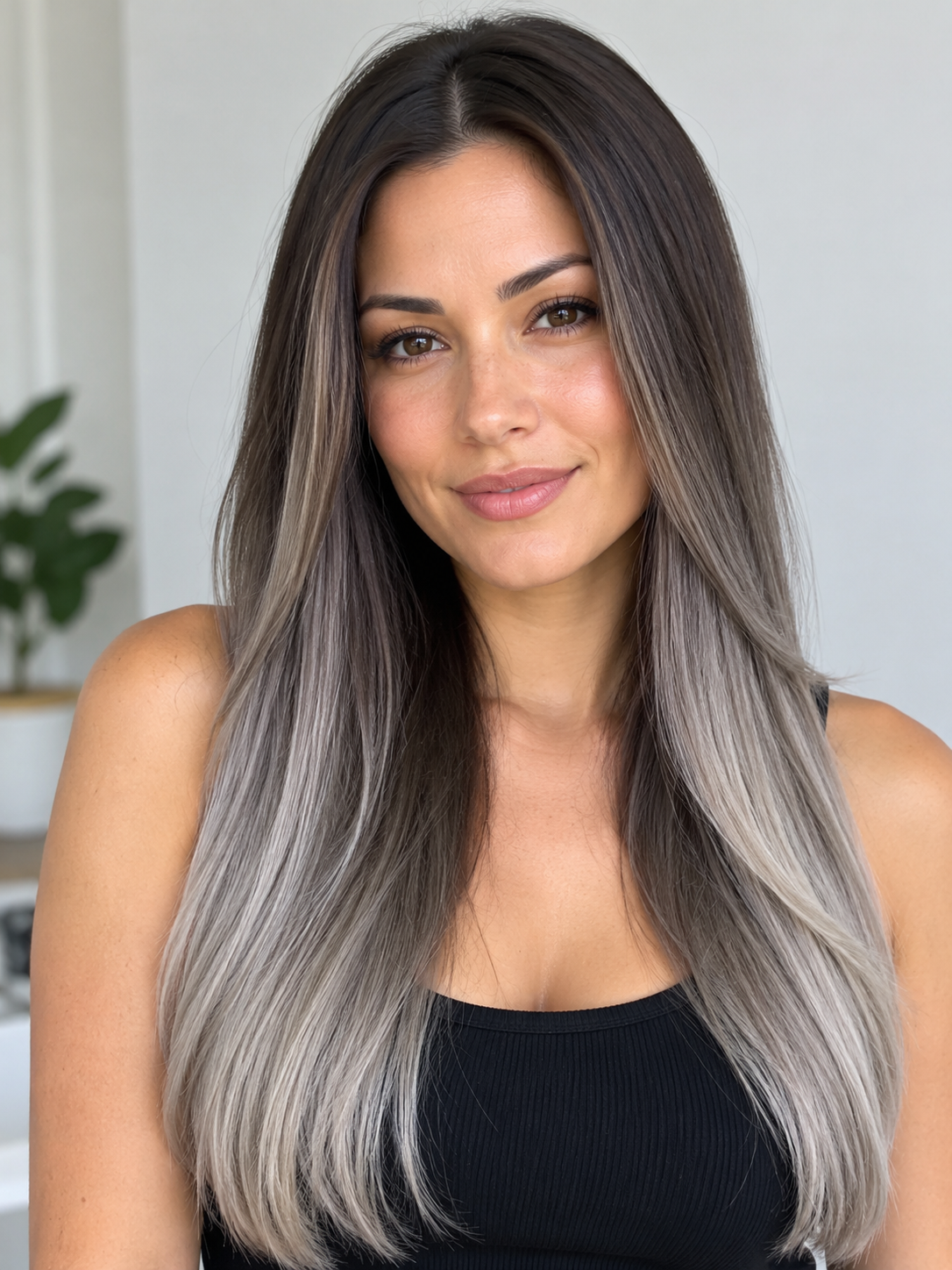
Deep brown roots melting into smoky silver ends make a cool, modern gradient. The ends need lifting to pale blonde before a silver toner goes on, so this is a multi-session commitment on dark hair.
Silver fades toward yellow quickly without a purple shampoo. The payoff is a gradient that looks intentional and current. It also blends real gray growth if you have some coming in.
Brown to Lavender Ombré
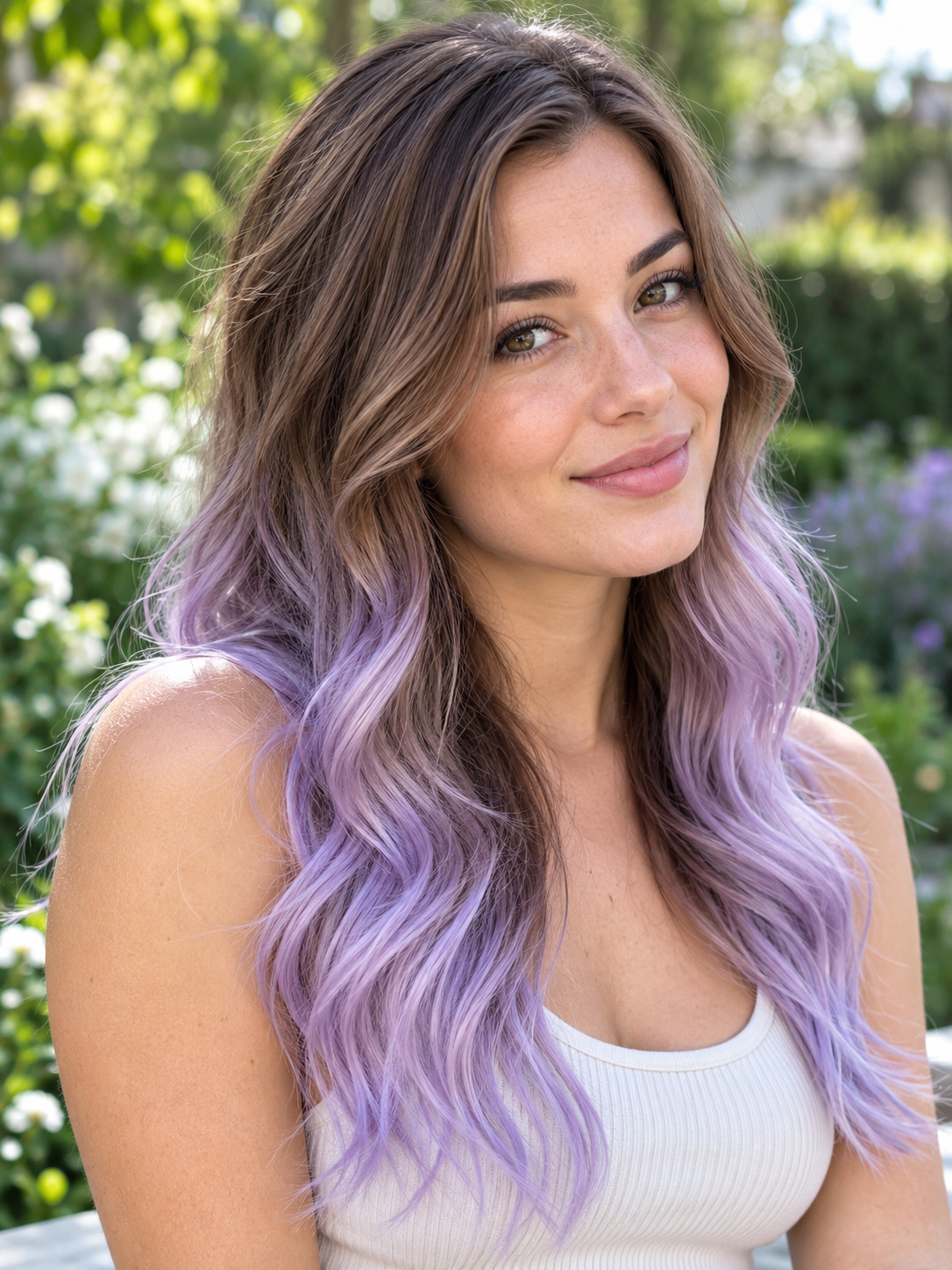
Medium brown roots fading into soft lavender ends keep a pastel look wearable. The lavender needs pre-lightened ends, close to white blonde, before the pastel will show. On brown hair that means two bleaching sessions at minimum.
Pastels fade within a few washes, so a lavender-depositing conditioner is part of the routine. The brown root grounds the color and keeps it from looking too sweet.
Blonde to Pastel Pink Ombré
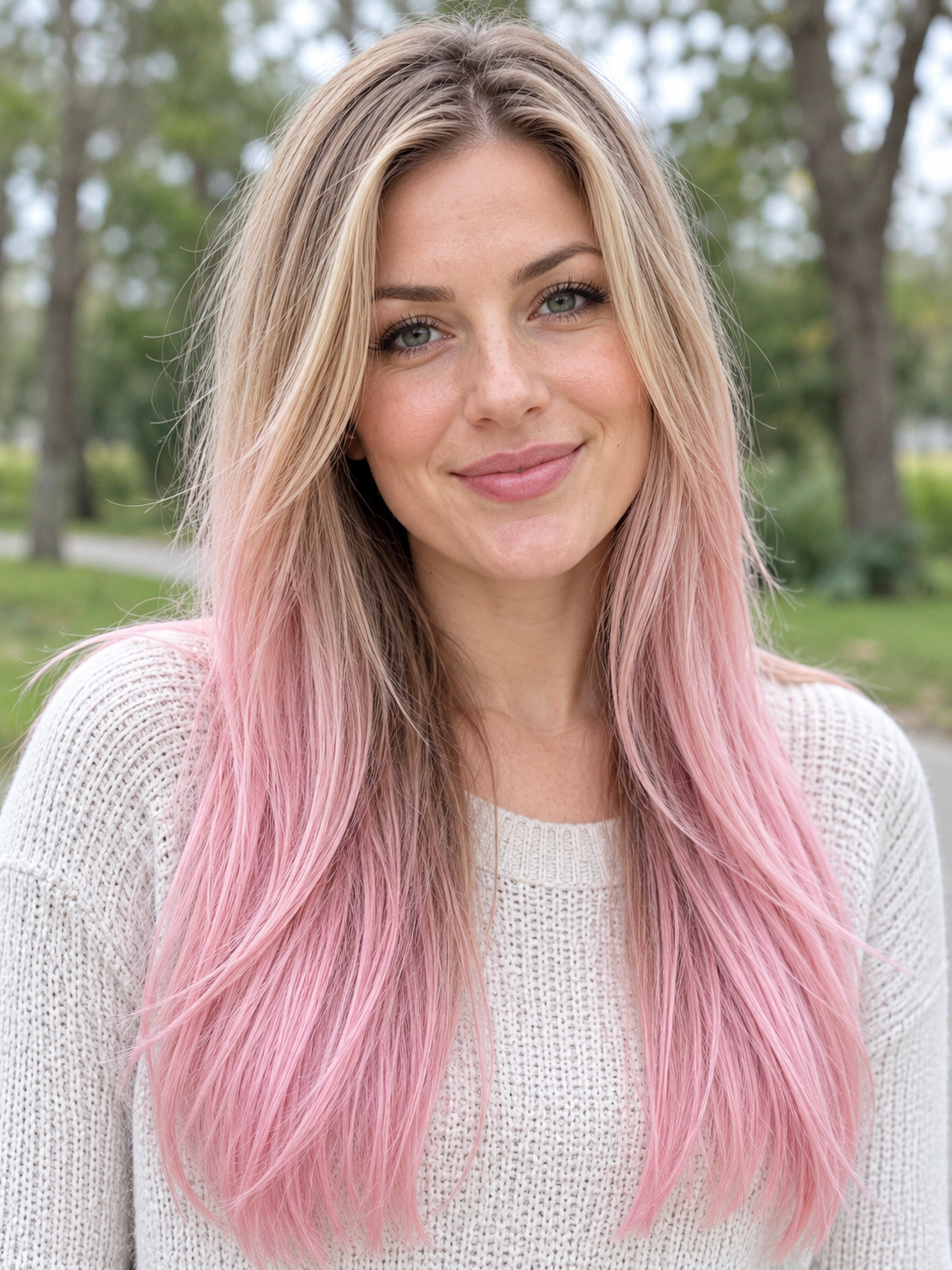
Natural or dyed blonde roots fading into pale pink ends is the easiest fashion-color ombré, since the blonde base already provides the lightness. The pink goes on as a semi-permanent gloss and washes out in a month or so.
Reapply it at home when it fades. Choose a cool pink for cool skin tones and a peachy pink for warm ones. Heat styling speeds the fade, so keep the iron low.
Brown to Teal Ombré
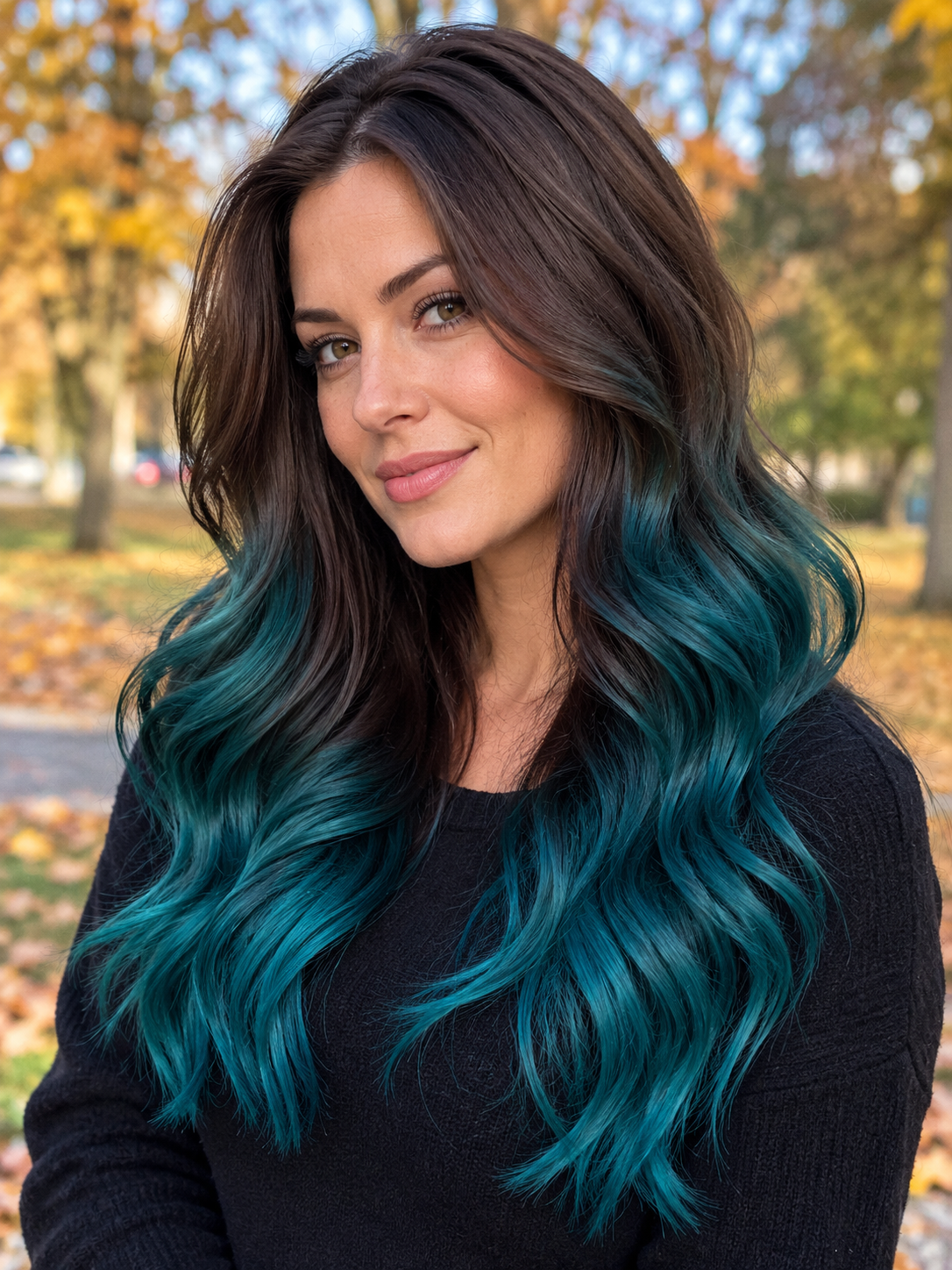
Chocolate brown roots fading into teal ends create a deep, jewel-toned gradient. Teal shows up even on ends lifted only to a light orange-blonde, which keeps the bleaching lighter than a pastel needs.
The blend zone works best around the chin. Blue and green pigments cling well, so the fade is slower than pink or lavender. A sulfate-free shampoo and cool water stretch it further.
Reverse Ombré
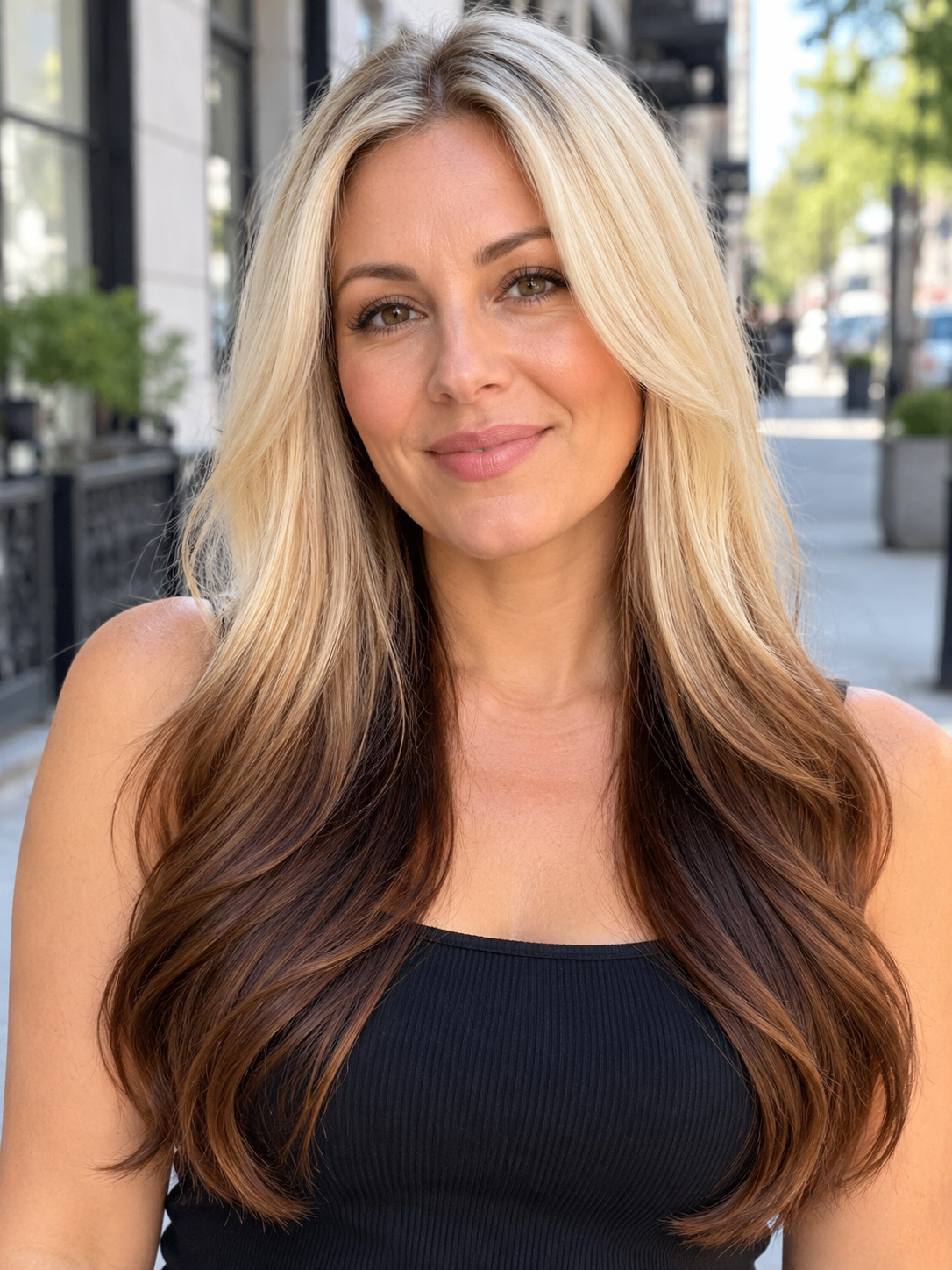
Flipping the gradient, with lighter roots fading into darker ends, gives blondes a change without touching their base. The ends are glazed with a brown or deep bronze. It also suits anyone growing out old blonde who wants the regrowth to look deliberate.
Reverse ombré needs almost no lifting, so it is gentle on the hair. The dark ends fade gradually and can be refreshed with a gloss at home.
Mushroom Brown to Ash Beige Ombré
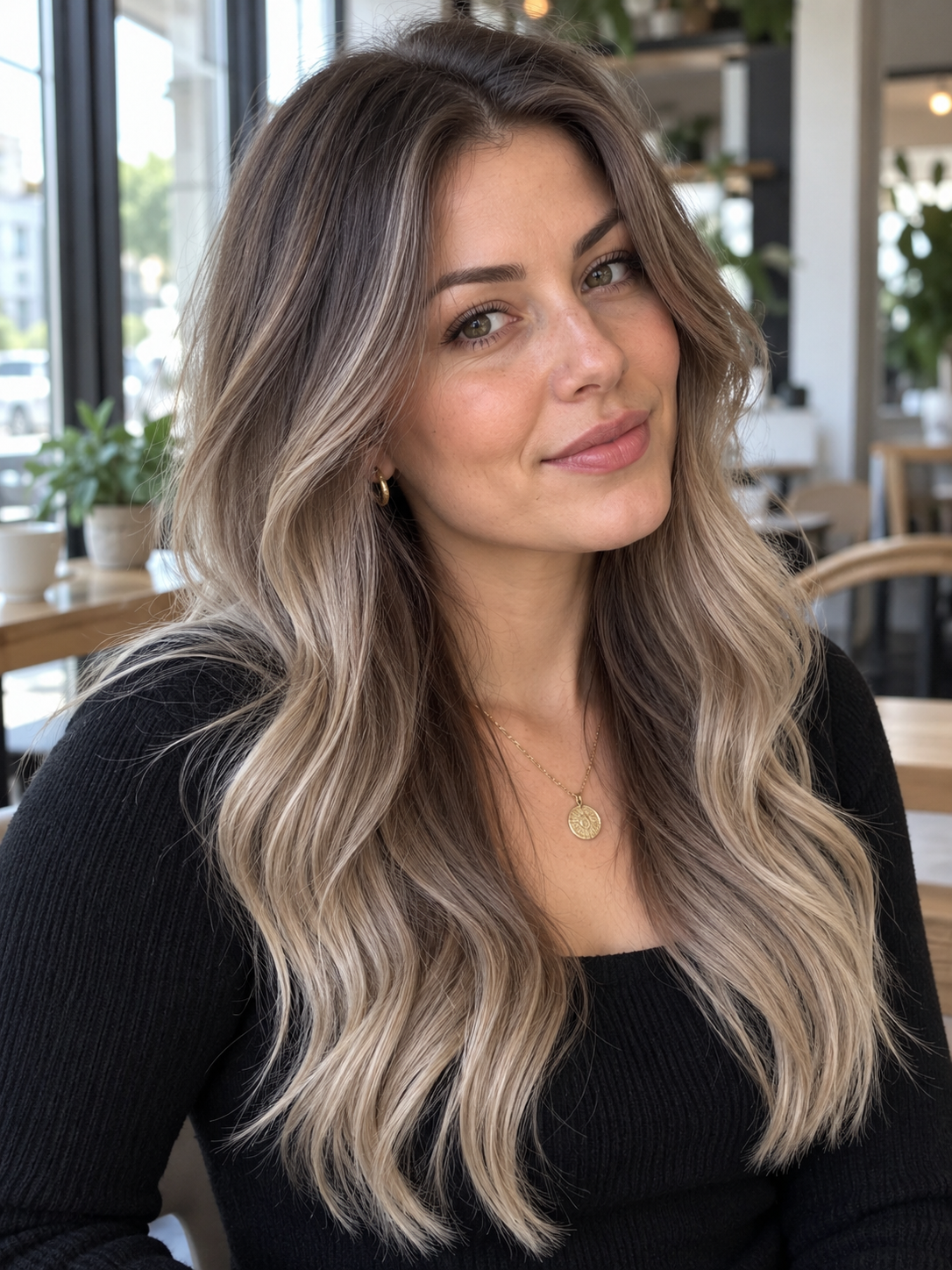
Cool, muted mushroom brown at the root melting into a neutral ash-beige blonde at the ends keeps every tone free of warmth. The look is understated and works well on cool and neutral skin tones.
Lifting to ash beige needs careful toning to kill any gold. A blue shampoo keeps the ends from drifting warm between visits. The grayish undertone looks especially current on straight or lightly waved hair.
Jet Black to Smoky Navy Ombré
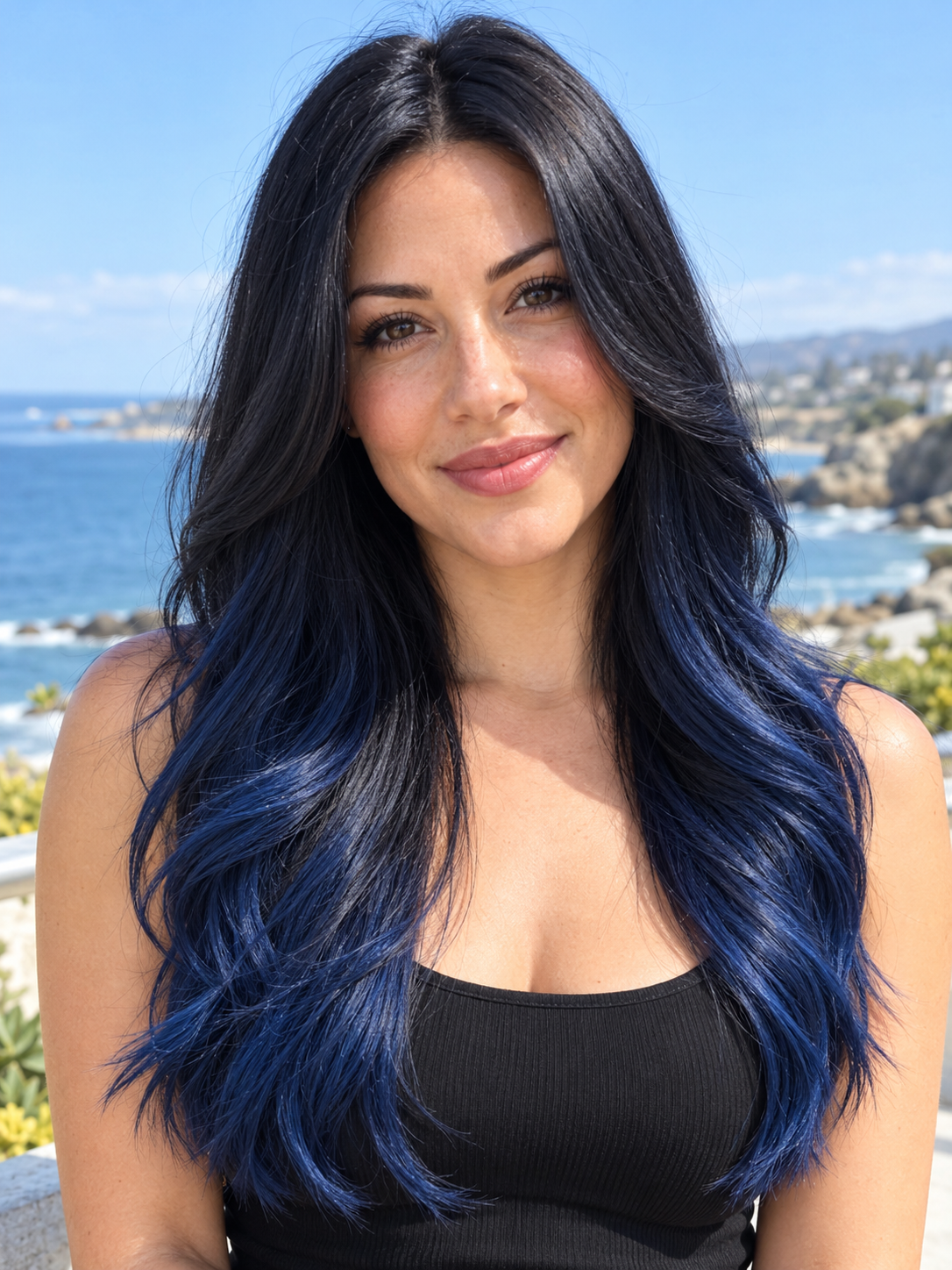
Black roots fading into deep smoky navy ends give an almost hidden color that flashes blue in sunlight. The navy only needs the ends lifted to a medium brown, so the damage is minimal.
Indoors the hair looks nearly black, which makes this a good office-friendly fashion color. Blue pigment holds well, though it can shift green as it fades. A blue-depositing mask every few weeks keeps the tone true.