The Pixie Cut Guide: Styles, Maintenance, and Growing It Out Gracefully
The pixie cut is more than just a haircut; it’s a statement. It speaks to confidence, a sense of adventure, and an appreciation for bold simplicity. While the decision to “go short” can feel monumental, a pixie cut can be incredibly liberating, low-maintenance in terms of daily styling, and surprisingly versatile.
However, the journey involves three distinct phases: choosing the right style for your face and lifestyle, mastering the maintenance routine, and finally, navigating the grow-out phase with grace and intention.
Part 1: Choosing Your Style
Not all pixies are created equal. The key to loving your short hair lies in selecting a style that complements your face shape, hair texture, and desired aesthetic.
Pixie Variations
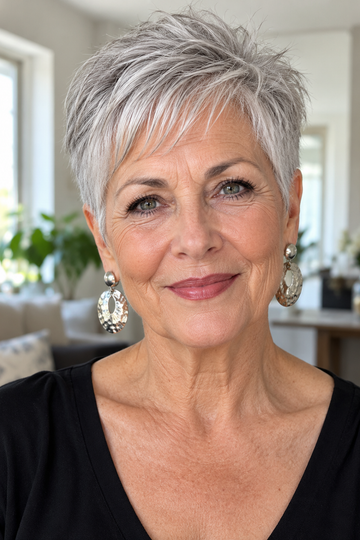
- The Classic Pixie: Short on the sides and back, with slightly longer hair on top. It’s timeless, elegant, and often styled with a side-swept fringe. This is a great entry-level pixie.
- The Textured / Piece-y Pixie: This style is all about movement and edge. The hair is cut with razors or point-cutting to create choppy, disconnected layers. It’s perfect for adding volume to fine hair or working with naturally wavy or curly textures.
- The Long Pixie: A versatile option where the top, bangs, and the hair around the ears are kept significantly longer (chin-length or more). It offers the most styling flexibility—you can tuck it behind the ears, create a faux-hawk, or even pull it into a tiny ponytail.
- The Undercut / Disconnected Pixie: For the boldest among us, this style features shaved or closely cropped sides (often with a defined line or design) contrasting sharply with a longer, textured top. It’s high-impact and exceptionally cool.
- The Soft / Curly Pixie: Designed specifically for curly or coily hair, this style keeps the sides tapered for a clean look while leaving length on top to showcase the natural curl pattern. It’s a fantastic way to manage volume and define curls.
Finding Your Match
- Oval Face: You’re in luck. Almost any pixie style works. Experiment with texture, length, and bangs.
- Round Face: Aim for height and volume on top to elongate the face. A classic pixie with a side-swept bang or a textured style with vertical lift is ideal. Avoid rounded shapes that add width.
- Square Face: Softness is key. Look for pixies with wispy, side-swept bangs or longer pieces around the ears and temples to soften a strong jawline. A soft, layered style is more flattering than a hard, geometric cut.
- Heart Face: A longer pixie with side-swept bangs and volume at the crown helps balance a wider forehead and narrower chin. Avoid excessive volume on the sides.
- Long Face: A pixie with fullness on the sides (like a classic cut with weight around the ears) and a blunt, straight-across bang can help shorten the appearance of the face.
Part 2: The Reality of Maintenance
The myth is that short hair is “no maintenance.” The reality is that it requires different maintenance. You trade long wash-and-go routines for frequent salon visits and a curated styling regimen.
The 3-4 Week Rule
This is the non-negotiable rule of the pixie. To keep the shape looking intentional rather than shapeless, you’ll need a trim every 3 to 4 weeks. The nape and sides grow out fastest, and a few weeks of growth can distort the entire silhouette. Budget for this. It’s the single biggest commitment of short hair.
Styling Essentials
A good pixie relies on the right products. The goal is usually texture, separation, and hold without stiffness.
- For Fine/Straight Hair: A volumizing mousse applied to damp roots before blow-drying, followed by a texture powder or dry shampoo for grit and lift. A small round brush is your best friend for creating volume at the crown.
- For Thick/Coarse Hair: A lightweight cream or curl cream will define and control without weighing the hair down. A strong-hold pomade or wax is excellent for sculpting piece-y looks.
- For Curly/Coily Hair: A leave-in conditioner is essential for moisture, followed by a curl-defining gel or custard to shape and set the curls. A diffuser attachment on your hairdryer will help dry without creating frizz.
The Daily “Reset”
Unlike long hair that can be thrown into a bun, a pixie shows every crease from sleep. Invest in a satin or silk pillowcase to minimize friction. In the morning, you’ll almost always need to fully wet or refresh your hair to reset the style—dry shampoo is often not enough to reshape a slept-on pixie.
Part 3: Growing It Out Gracefully
The grow-out phase is inevitable for many. It can be an awkward period, but with a strategic approach, you can avoid the dreaded “mullet” phase and transition through a series of chic, intentional styles.
Phase 1: The Neck (Weeks 4-8)
This is when the nape of the neck starts to get fuzzy and unruly.
- Strategy: Keep the neckline and the area around the ears cleanly trimmed, even if you’re letting the rest grow. A “tapered” or “undercut” look can be maintained as a style for months, buying you time to let the top catch up.
Phase 2: The Shape-Shifter (Months 2-5)
This is the most challenging phase. The top is growing, the sides are filling in, and the overall shape feels shapeless.
- Strategy: This is the time to visit your stylist for “transition cuts.” Instead of a full trim, ask them to shape the back and sides while leaving the top length. This prevents the mullet.
- Styling: Embrace headbands, barrettes, and bobby pins. This is a great time to wear a textured, tucked-behind-the-ears style or experiment with a deep side part to create a new silhouette. Texture spray is your best friend for adding interest to the “in-between” length.
Phase 3: The Bob Transition (Months 5-12+)
Once the hair reaches your chin, you’ve officially transitioned to a bob.
- Strategy: The final step is to let the back and sides fully catch up to the top length. A lob (long bob) or a stacked bob are perfect transitional styles. They are chic, intentional, and give you the momentum to either keep growing or maintain a short style again.
- Mindset: Book a trim every 6-8 weeks to maintain a proper bob shape as it grows. A blunt cut at the ends can make the hair look thicker and healthier during this phase.
Conclusion
A pixie cut is a journey of self-expression. It requires a partnership with a skilled stylist who understands your hair texture and growth patterns. While the maintenance schedule is precise, the daily styling time is often drastically reduced, and the feeling of liberation can be unmatched.
Whether you’re taking the plunge for the first time, looking to refresh your current style, or navigating the grow-out with patience and creativity, the key is to embrace each phase. With the right cut and a solid plan, every stage of the pixie journey can be a good hair day.