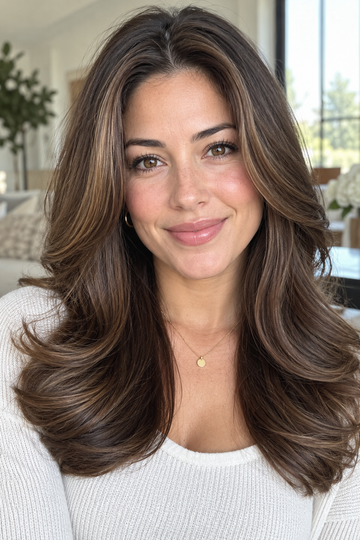
19 Razor Cut Hairstyles
A razor cut does something scissors alone can't, it tapers each strand at an angle instead of cutting it straight across, which softens the ends and adds texture without extra layering. That's why so many textured, feathery-looking styles actually start with a razor rather than shears. Here are nineteen ways it shows up.
Razor Cut Bob

A razor-cut bob has softly tapered ends rather than the blunt, weighty line scissors create. This technique suits fine to medium hair density particularly well, since the tapering removes some bulk. A glossing serum keeps the textured ends looking healthy rather than wispy.
Razor Cut Pixie

Razor cutting throughout a pixie creates soft, feathered texture at the crown and sides instead of a choppy, angular finish. This short length requires minimal daily styling beyond a lightweight styling cream. It suits most face shapes and hair densities.
Razor Cut Shag

Combining a shag's built-in layering with razor-cut ends amplifies the cut's naturally textured, undone quality. This works especially well on medium to long hair with some natural wave. A texturizing spray enhances the razored layers without extra blow drying.
Razor Cut Long Layers

Razor cutting throughout long layered hair softens the ends and adds movement without heavy thinning. This suits a woman wanting to hold onto length without it looking flat or blunt. A deep conditioning treatment weekly keeps longer, razored ends from looking dry.
Razor Cut Lob

A collarbone-length lob finished with a razor rather than scissors creates softly tapered ends and natural-looking texture throughout. This medium length suits most face shapes and works especially well on hair with some natural wave. Scrunching product into damp hair enhances the razored texture.
Razor Cut Fringe

Bangs cut with a razor rather than scissors create a soft, wispy line instead of a blunt, graphic one. This works well paired with most base cuts, from bobs to long layers. Trimming the fringe every few weeks keeps the razored texture from growing out shapeless.
Razor Cut Curly Hair

For naturally curly hair, razor cutting removes bulk and adds texture without disrupting the curl pattern the way heavy thinning shears can. This suits coily to loosely curled patterns particularly well. Diffusing while drying helps hold the shape without curls dropping flat.
Razor Cut Wolf Cut

The wolf cut's choppy, heavily textured layers are often achieved specifically through razor cutting rather than scissors, creating the cut's signature feathered, undone finish. This works on medium to long hair and pairs especially well with a bit of natural wave.
Razor Cut Bangs with Long Hair

Soft, razor-cut bangs paired with long hair create a wispy, textured frame around the face without a hard line. This combination works well styled straight or with a bit of natural wave. A round brush used while blow drying helps direct the bangs into place.
Razor Cut Pixie with Volume

Razor cutting concentrated specifically at the crown builds soft texture and height exactly where hair tends to flatten first. This short length requires minimal daily styling beyond a quick pass with a root-lifting mousse. It suits most face shapes and hair densities.
Razor Cut Bob with Side-Swept Bangs

A longer, razor-cut fringe swept to one side pairs naturally with a razor-cut bob, since both rely on soft, feathered texture rather than a hard line. This combination works well styled straight or with natural wave. A light styling paste holds the sweep without weighing hair down.
Razor Cut Layers on Fine Hair

Razor cutting on fine hair requires a lighter hand than on thicker hair, since too much tapering can leave already-fine ends looking sparse. This technique still adds soft texture without the heavier look scissor-cut layers sometimes create. A volumizing mousse helps compensate for any thinning at the ends.
Razor Cut Shag with Curtain Bangs

Combining razor-cut shag layers with curtain bangs brings texture and face-framing detail together in one cut. This medium to long length suits a woman wanting a trendier shape without sacrificing ease. Regular trims keep both elements looking crisp as they grow.
Razor Cut Bixie

A bixie finished with razor-cut texture blends pixie ease with bob softness, adding soft movement at the crown while keeping overall length short. This cut suits hair with reliable natural bounce or texture. It requires less daily styling time than longer razor-cut styles.
Razor Cut Hair with Blunt Perimeter

Keeping the outer perimeter blunt while razor cutting happens throughout the interior creates texture without sacrificing the cut's overall weight. This works especially well for thicker hair that can carry both the structure and the added texture. Regular trims keep the blunt line crisp.
Razor Cut Waves

Loose waves paired with razor-cut ends create texture that moves naturally rather than looking stiff or overly styled. This works particularly well air-dried, since the wave pattern and the razored texture complement each other. A light mousse applied before drying helps define the waves.
Razor Cut Cropped Style

A very short, cropped style finished with razor cutting throughout offers one of the lowest-maintenance options on this list, needing minimal daily styling. This suits most face shapes and hair densities. A matte paste worked through with fingers defines the texture without stiffness.
Razor Cut Hair with Money Piece Highlights

Two brightened face-framing pieces add subtle contrast to razor-cut texture without an all-over color change. This works on straight, wavy, or curly versions of the cut alike. It's a lower-commitment way to brighten a look while keeping the razored texture intact.
Razor Cut Hair with Deep Side Part

A deep side part paired with razor-cut layers creates asymmetry that plays well against the cut's already-soft, textured lines. This works on straight or wavy hair equally well. It's an easy daily styling adjustment that changes the overall look without a new haircut.