Long Angled Bob That Adds Sharp Dimension
A long angled bob blends structure with movement. It stays longer in the front and shorter in the back, creating a sharp but wearable shape. This cut adds edge without going too short. It works well for straight, wavy, and lightly textured hair. The angle frames the face and adds natural lift. If your current style feels flat or heavy, a long angled bob can refresh it without sacrificing too much length. It feels modern but still practical for everyday life.
Why the Long Angled Bob Stands Out
The long angled bob creates instant shape. The shorter back removes bulk while the longer front pieces elongate the face. This balance makes the cut flattering on round and square face shapes. It sharpens the jawline and highlights cheekbones.
This haircut also offers flexibility. You can wear it sleek and straight for a polished finish or add soft waves for texture. The defined angle keeps the style looking intentional. It rarely looks messy or unstructured.
Best Ways to Wear a Long Angled Bob
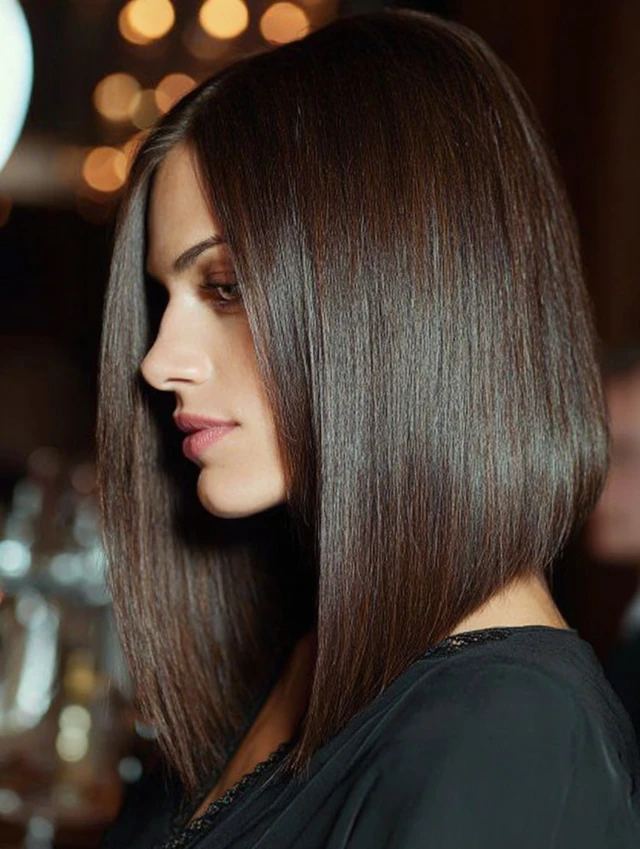
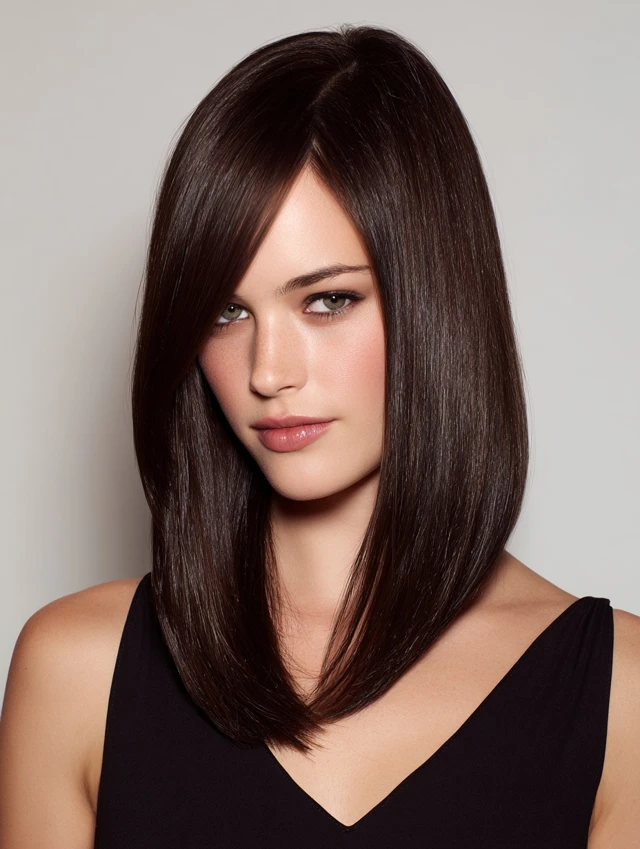
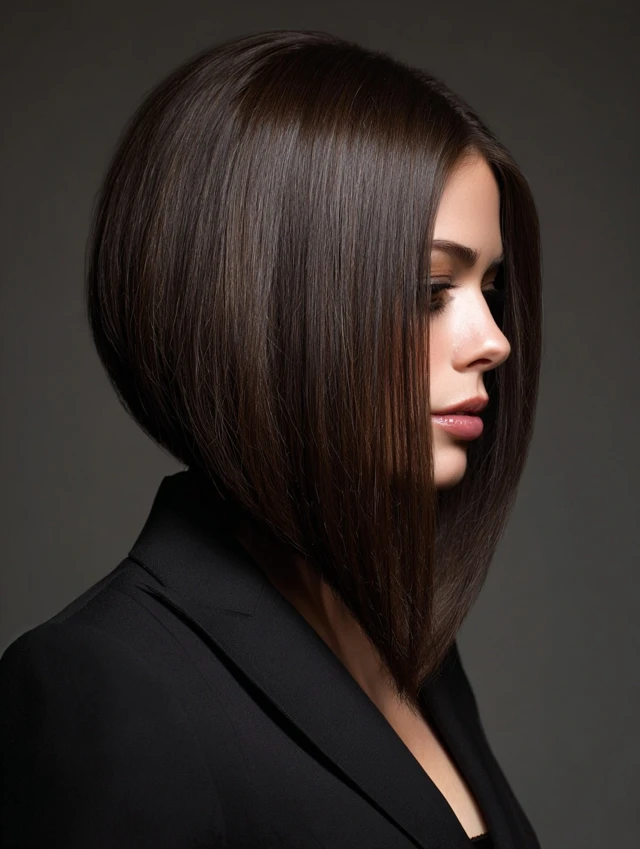
Sleek Straight Long Angled Bob
A sleek straight version highlights the clean angle. This works best for oval and heart-shaped faces because the sharp lines frame the chin. The smooth finish keeps the look refined and modern.
1
2
3
4
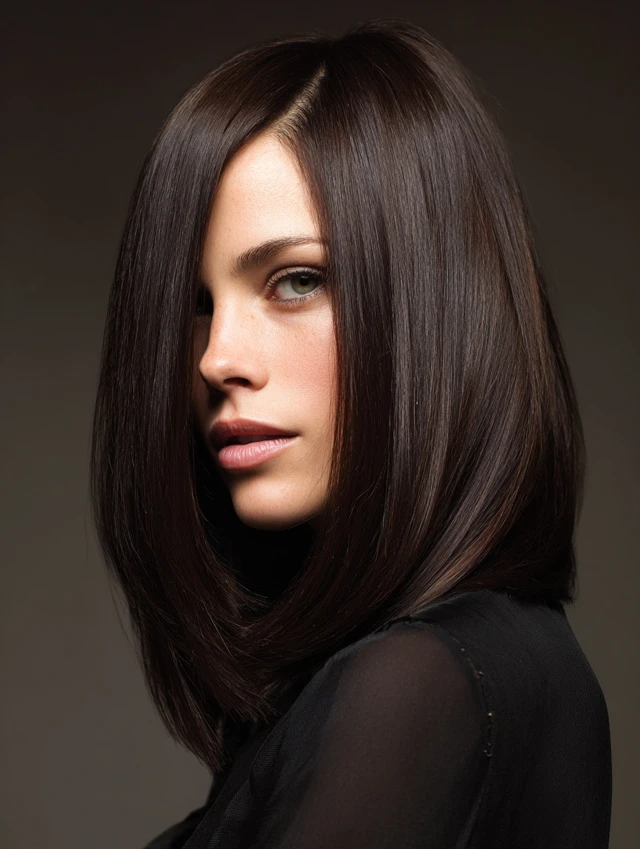
Fine to medium hair types hold this shape well. Use a flat iron and heat protectant for a clean finish. This style fits professional settings and formal events. Regular trims keep the angle crisp.
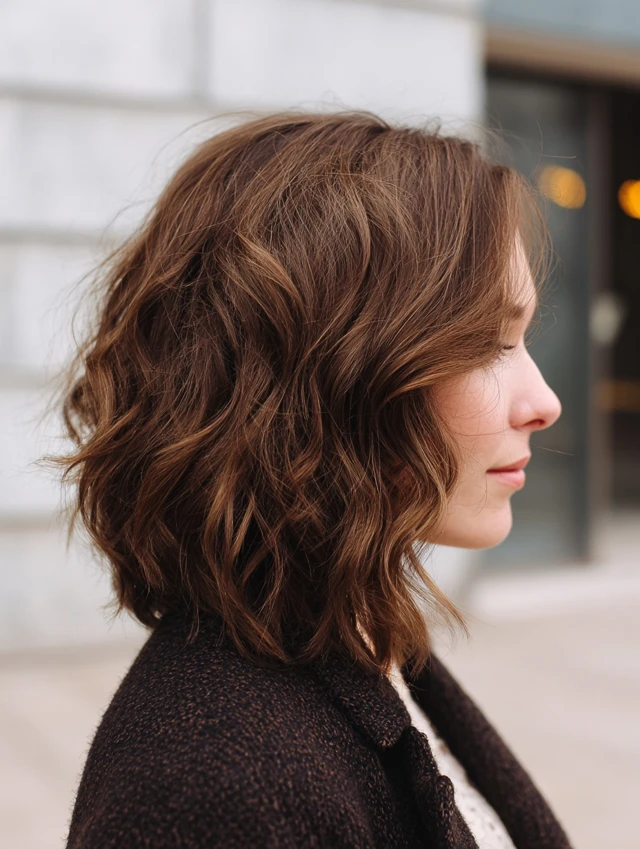
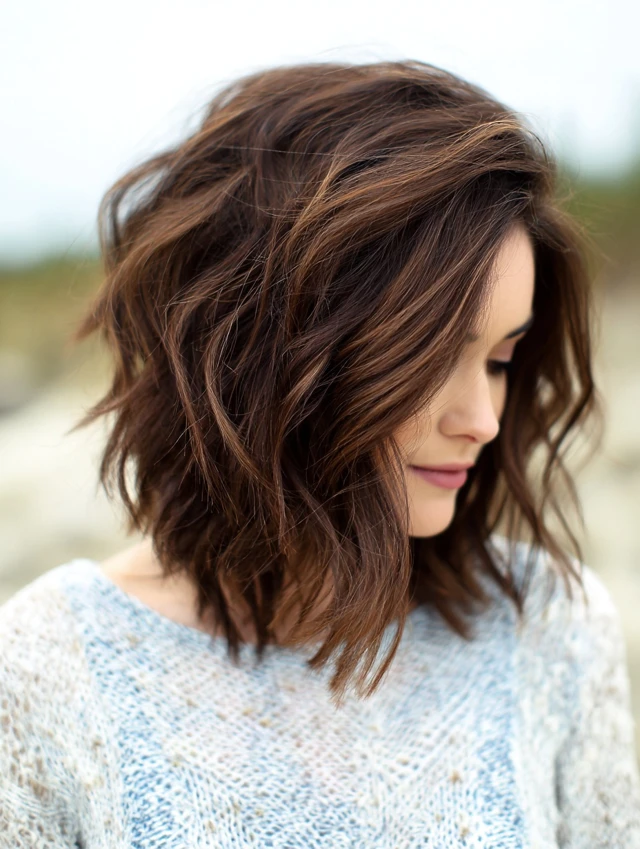
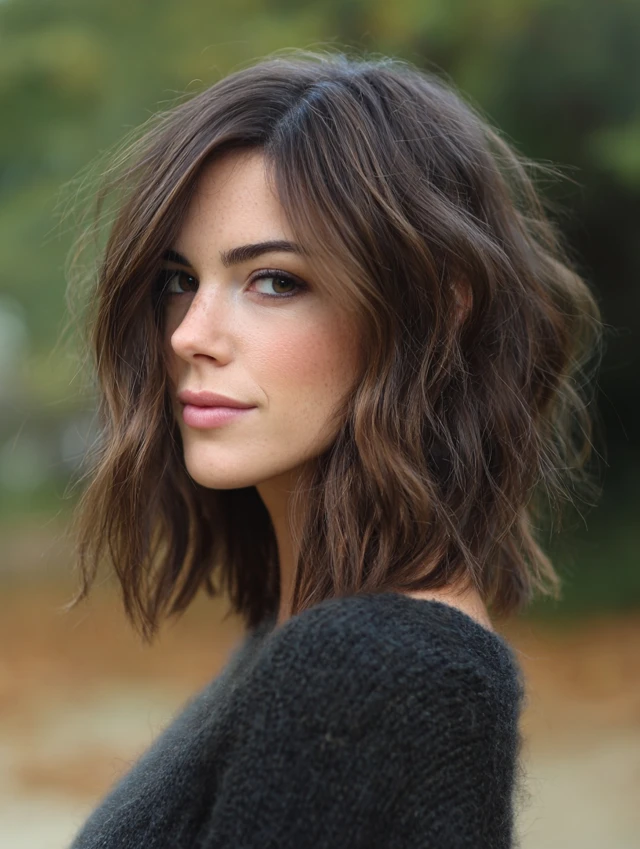
Textured Wavy Long Angled Bob
Soft waves add movement and dimension to the angled shape. This works well for round faces because the longer front pieces slim the silhouette. The waves soften the sharp lines slightly.
1
2
3
4

Medium to thick hair benefits most from this style. Use a curling wand for loose bends, not tight curls. It fits casual days and social events. The texture keeps the cut from feeling too rigid.
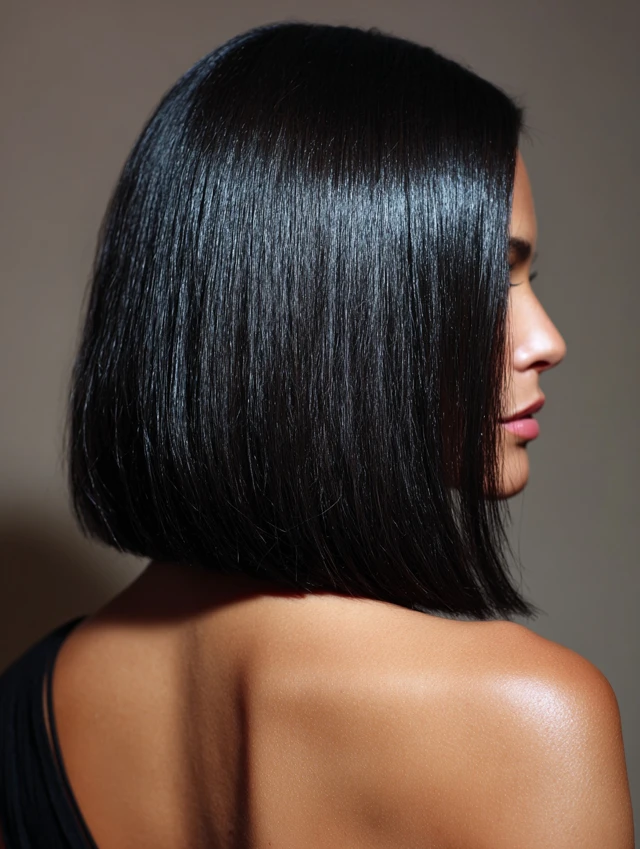
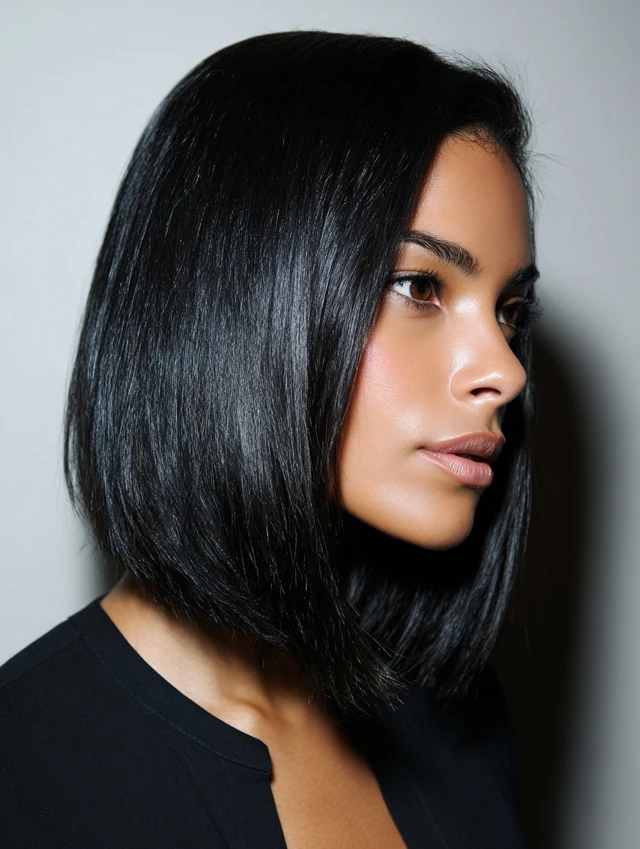
Blunt Long Angled Bob
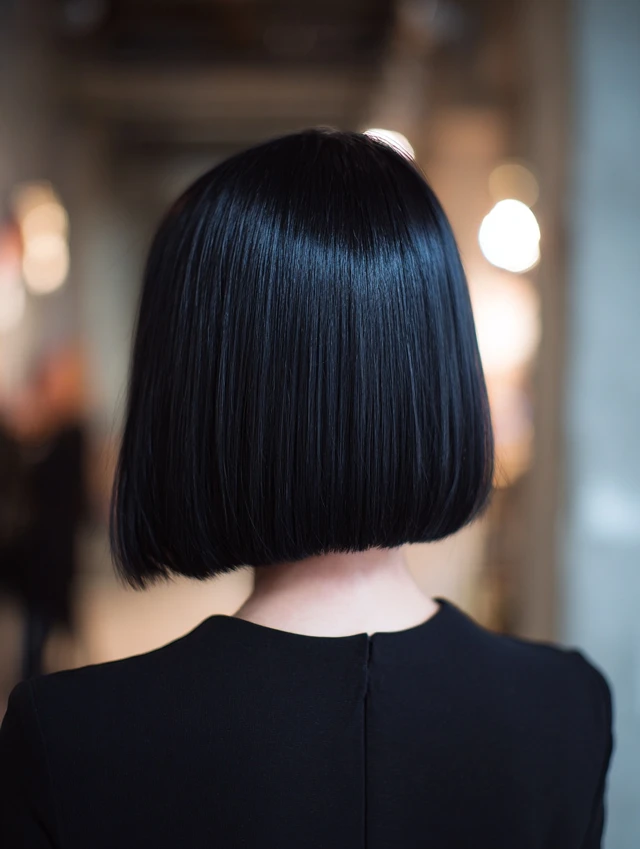
A blunt version keeps the ends sharp and even. The strong line creates a bold, structured look. This style suits oval and square faces because it enhances natural angles.
1
2
3
4
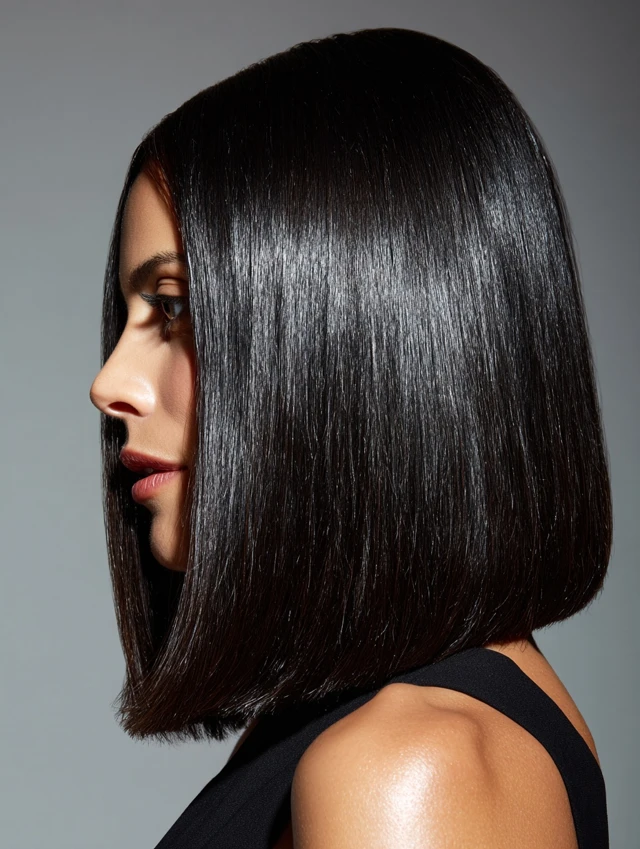
Thicker hair works best for a blunt finish. Blow-dry smooth and keep layers minimal. This look feels confident and clean. It works well in office environments and formal settings.
Layered Long Angled Bob
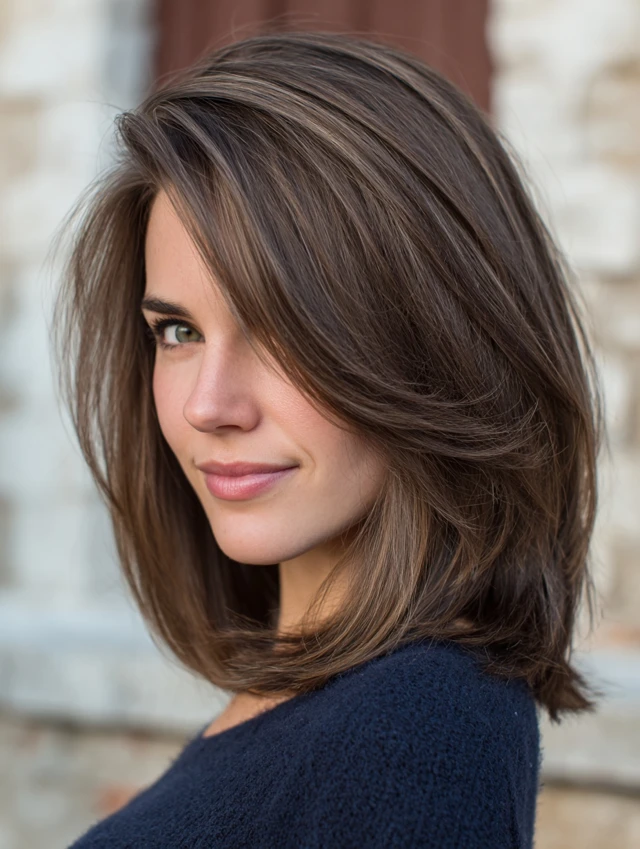
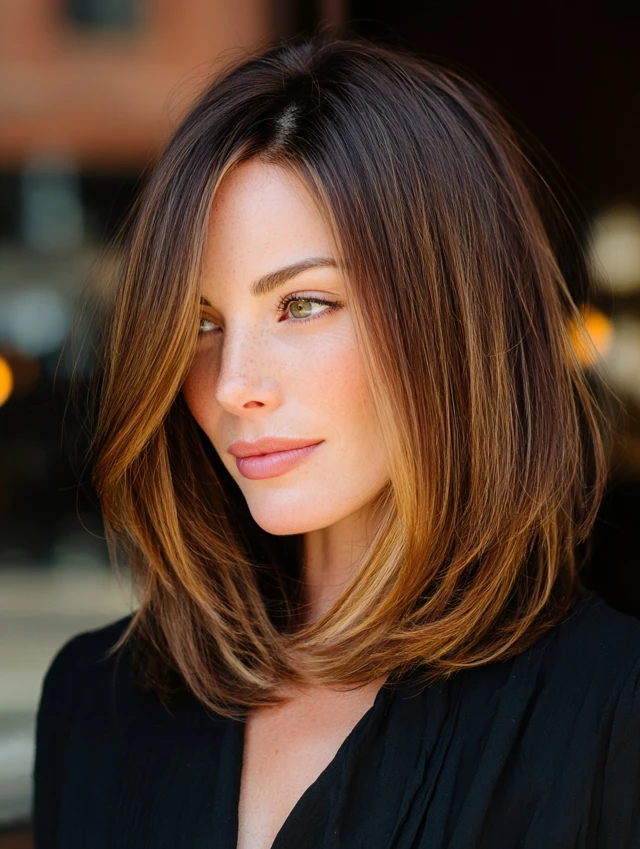
Adding subtle layers softens the angle. This works well for thick hair because it removes weight without losing shape. The layers create movement while keeping the front longer.
1

2
3
4
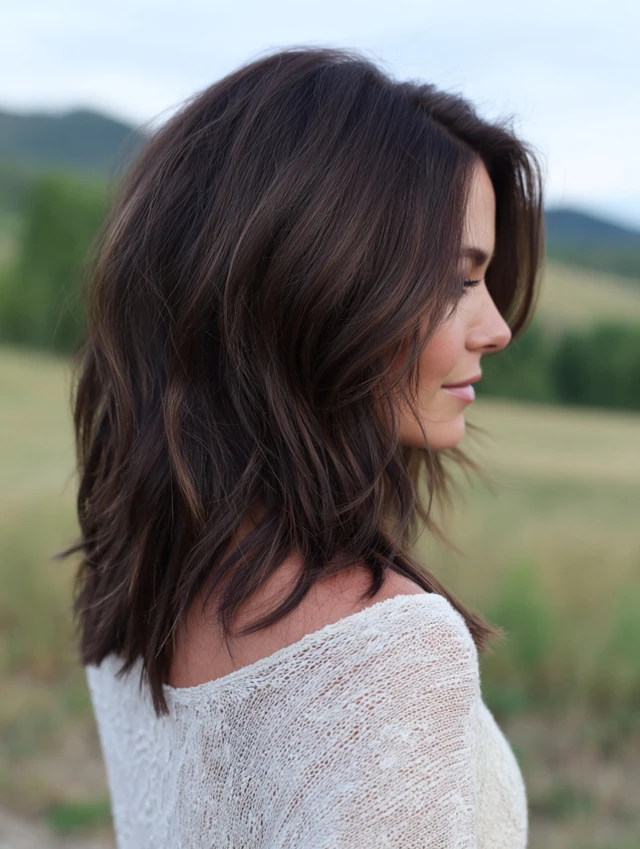
It suits most face shapes since the layers reduce heaviness around the jaw. Style with a round brush for volume or air dry for texture. Maintenance stays manageable with regular shaping trims.
Side-Part Long Angled Bob
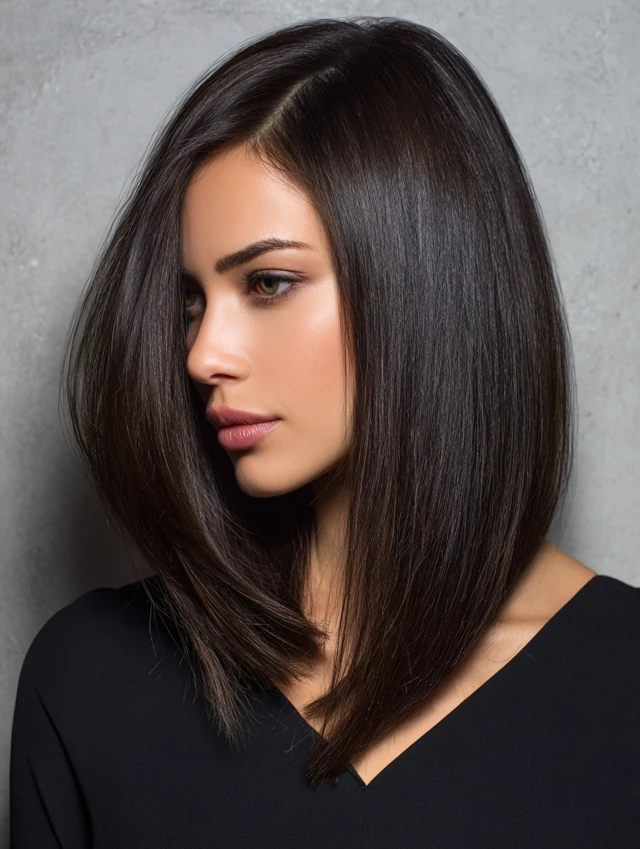
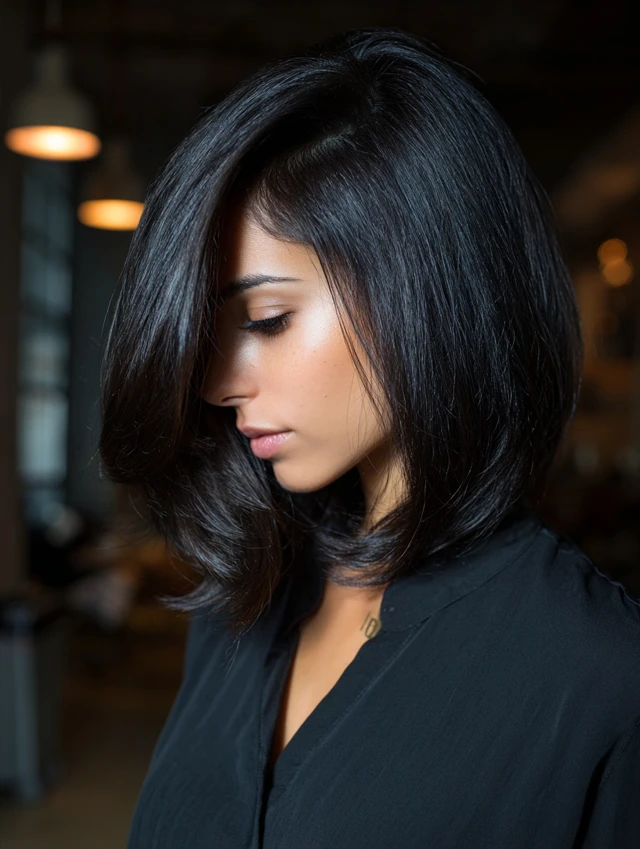
A deep side part shifts volume and adds drama. This style works well for round and heart-shaped faces. The side sweep adds lift at the crown and enhances cheekbones.
1
2
3

4
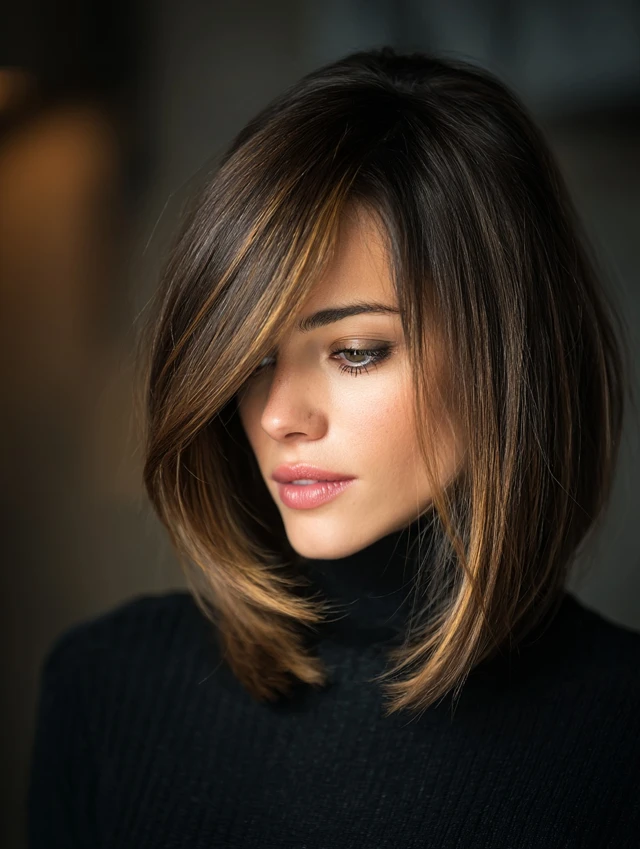
Fine hair benefits from the added volume on one side. Blow-dry with a side part and tuck one side behind the ear. It fits date nights, meetings, and everyday wear.
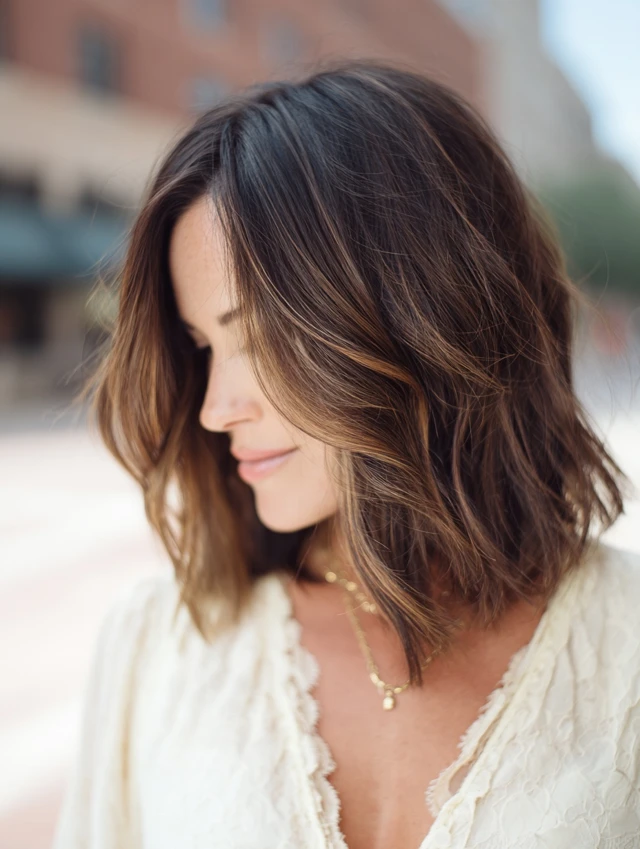
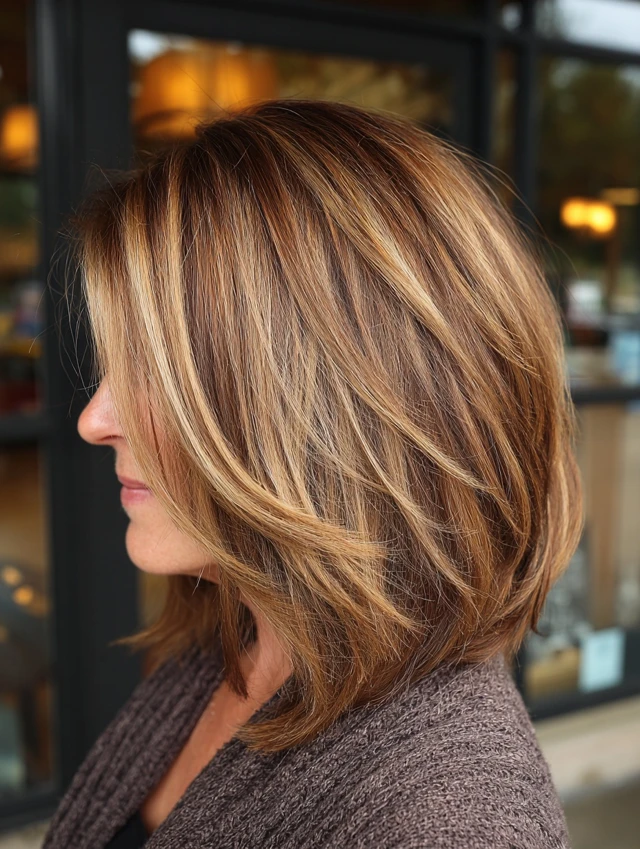
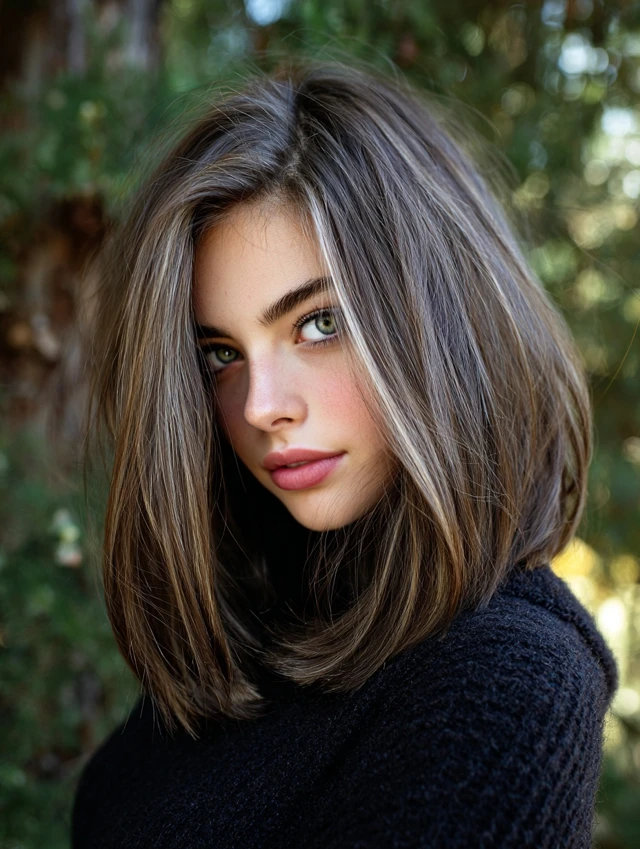
Long Angled Bob with Soft Highlights
Soft highlights enhance the angled shape by adding depth. The lighter pieces draw attention to the front length. This works well for wavy or textured hair.
1
2
3
4
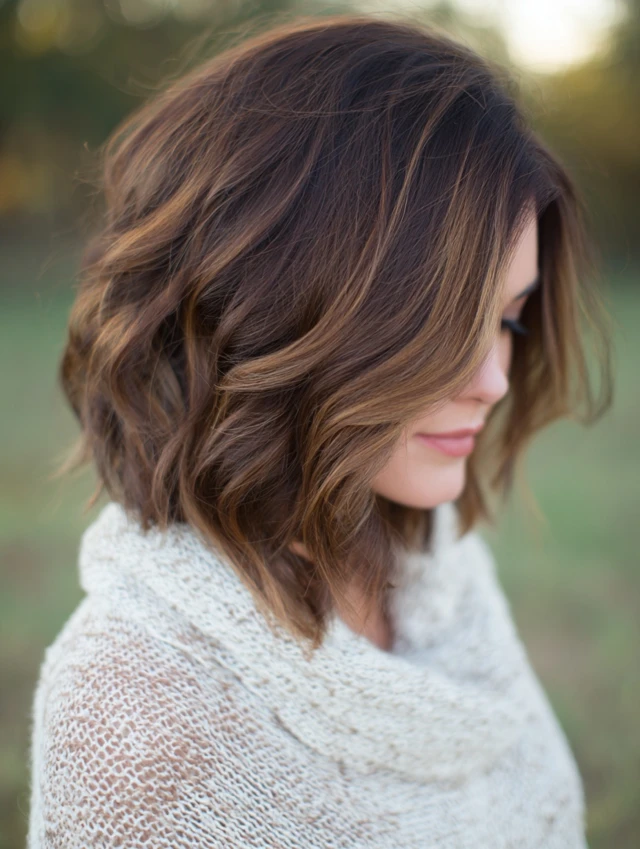
Choose subtle tones that blend naturally with your base color. Avoid high contrast. This style fits both casual and polished settings. The dimension keeps the cut looking fresh.
How to Make a Long Angled Bob Look Its Best
Trim every six to eight weeks to maintain the angle. Avoid over-layering unless your hair feels too heavy. Use lightweight products to keep movement natural.
Blow-dry with a round brush to shape the front pieces. Straighten for a sharp finish or add soft waves for balance. Keep the neckline clean to maintain structure.
Final Thoughts on the Long Angled Bob
The long angled bob offers structure without going too short. It sharpens your look while staying versatile. You can wear it sleek, textured, blunt, or layered.
This cut works because it combines balance and edge. It suits different hair types and lifestyles. Would you keep it sharp and straight, or soften it with waves?