The shag cut focuses on layers, texture, and movement. It removes weight and builds volume in all the right places. Unlike blunt cuts, a shag cut looks intentionally undone. It works on straight, wavy, and curly hair. The crown gets lift while the ends stay light and feathered. You can wear it short, medium, or long. This cut suits busy routines because it looks good slightly messy. If your hair feels flat or heavy, a shag cut adds life without drastic length changes.
Why the Shag Cut Creates Effortless Volume
A shag cut builds height through layered structure. Shorter layers at the crown prevent flat roots. Longer, feathered ends keep the silhouette soft. This balance creates movement instead of stiffness.
It also flatters many face shapes. Round faces gain length from vertical layers. Square faces soften with textured edges. Oval faces carry the shape naturally. Because the cut relies on texture, daily styling stays simple and flexible.
Shag Cut Styles to Try
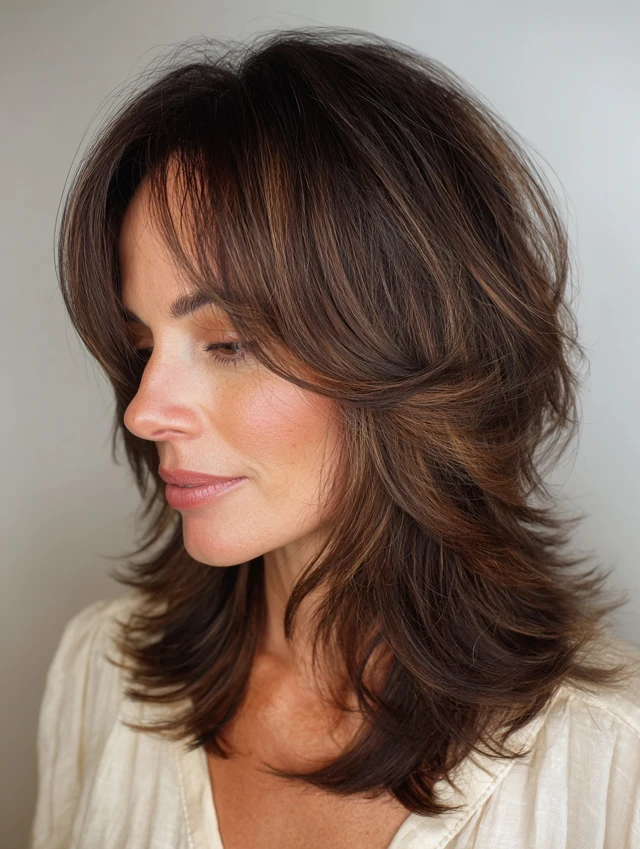
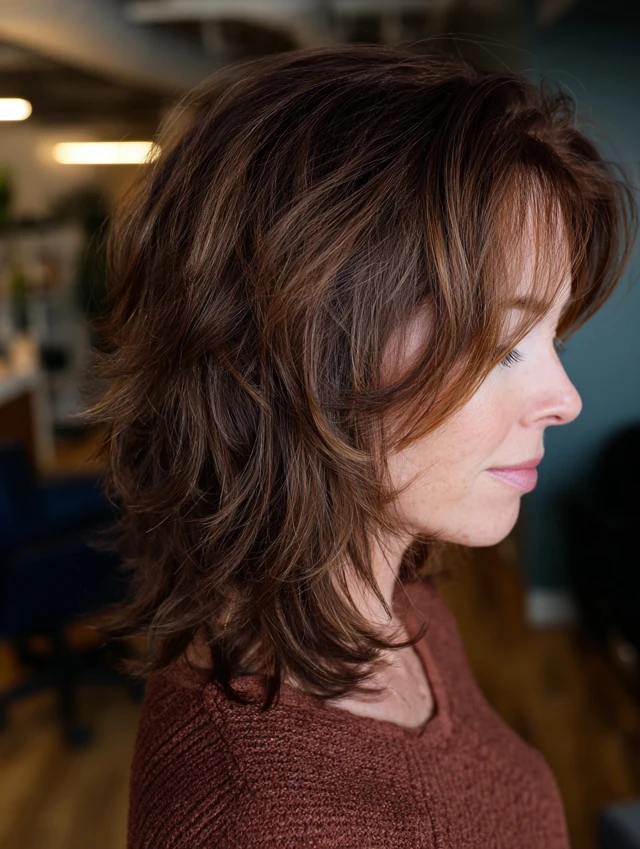
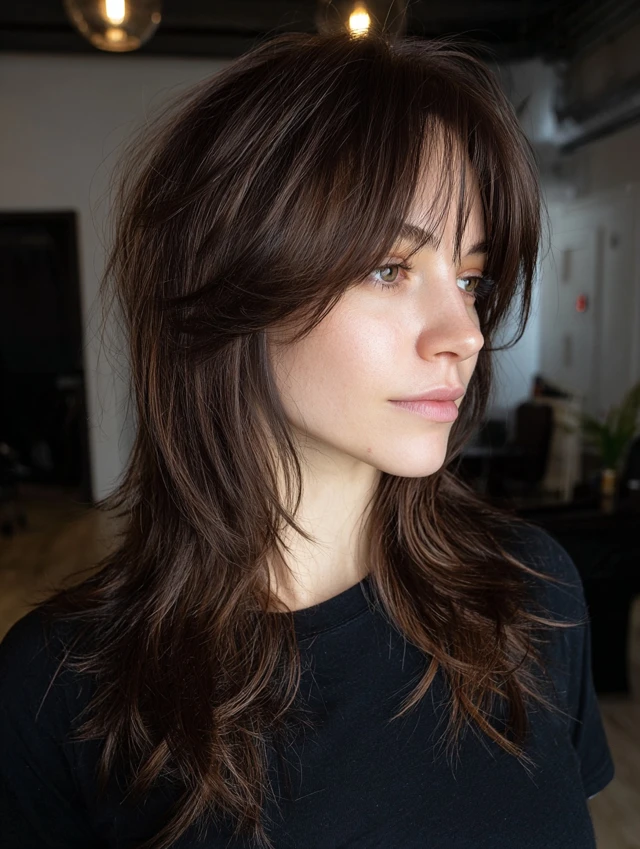
Classic Medium Shag Cut
This shag cut keeps medium length with even layering. The crown stays lifted while the ends taper lightly. It works well for straight or slightly wavy hair.
1
2
3
4
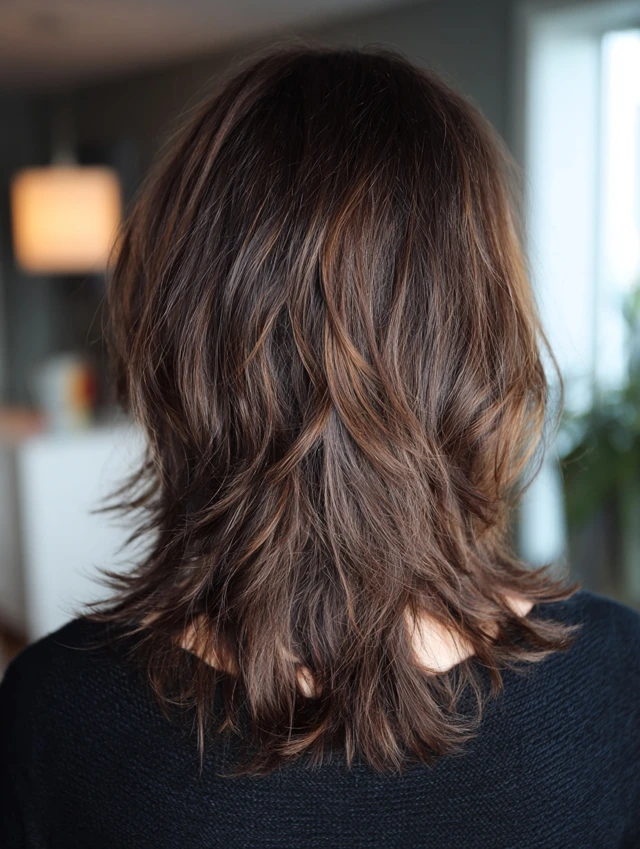
Use a light mousse and blow-dry upward at the roots. Scrunch lightly for separation. This version fits school, office settings, and casual outings. It looks styled without heavy effort.
Long Shag Cut
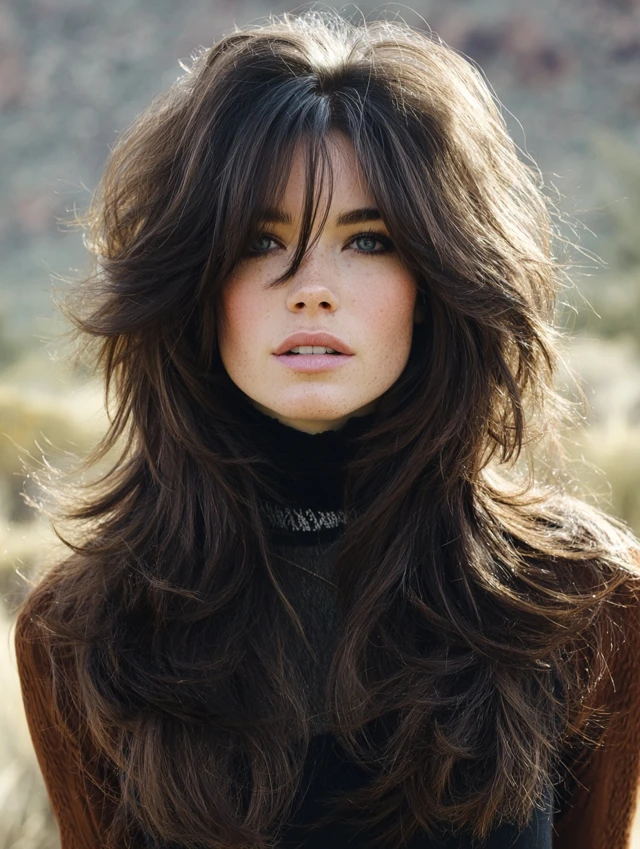
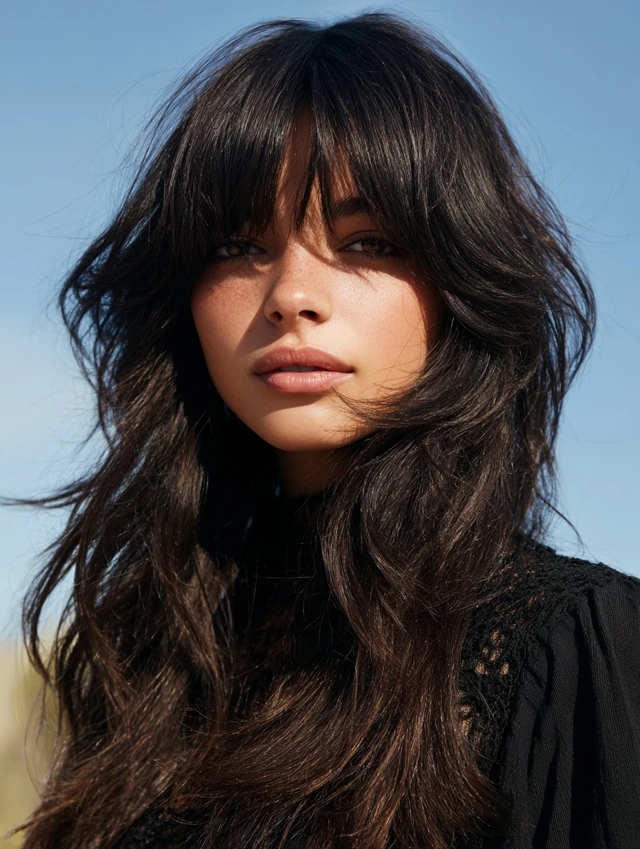
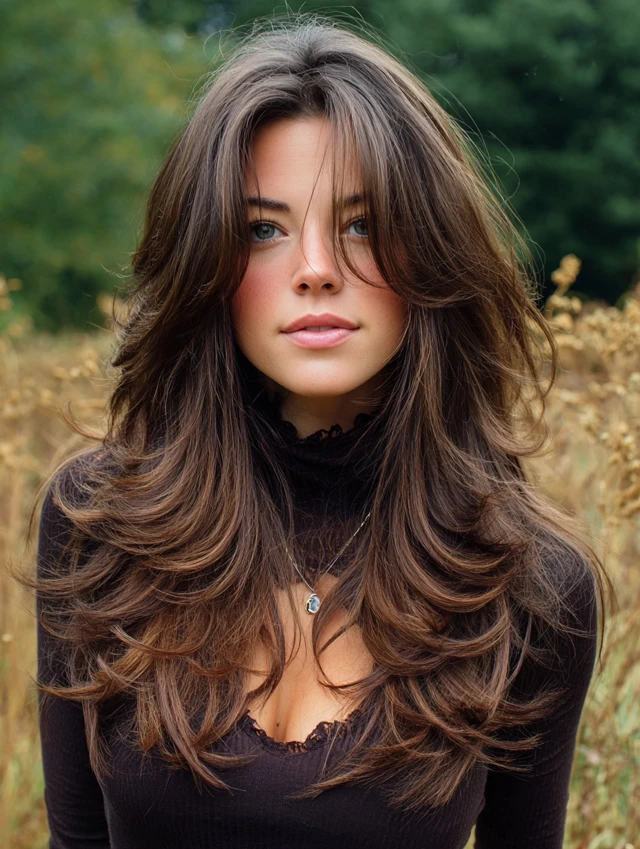
A long shag cut keeps dramatic length but adds shape throughout. The layers reduce bulk and prevent heaviness at the bottom. It suits thick hair especially well.
1
2
3
4
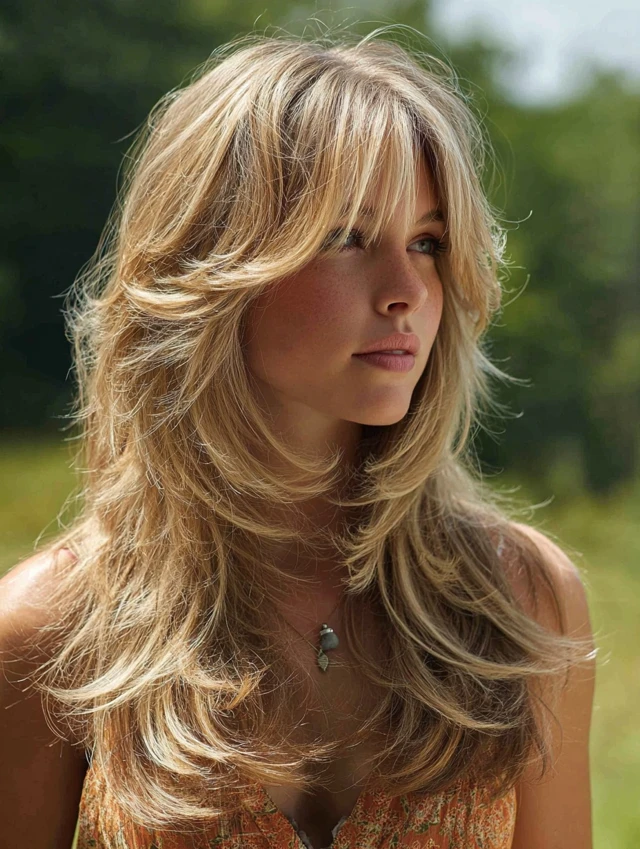
Loose waves show off the layered dimension. Use a texturizing spray to enhance movement. This option transitions easily from day to night with minimal restyling.
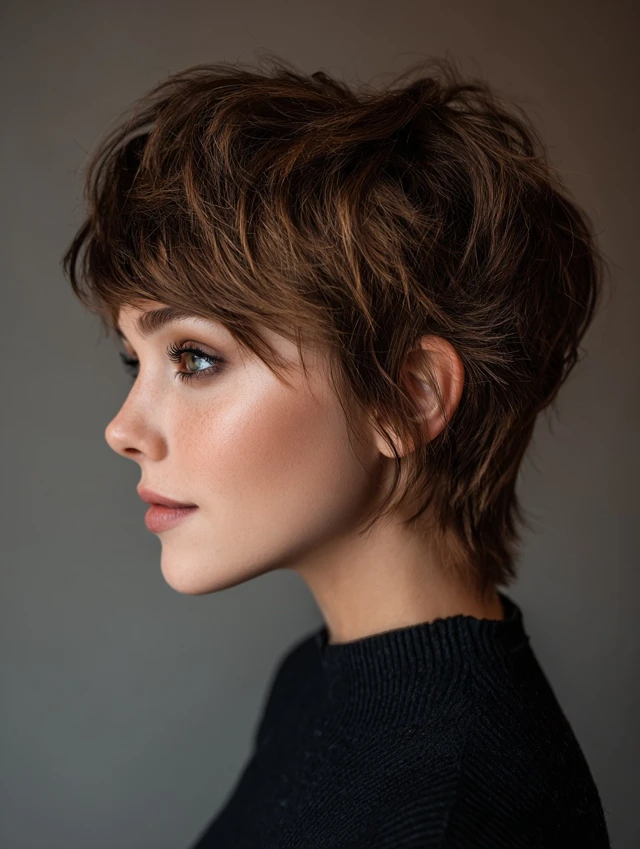
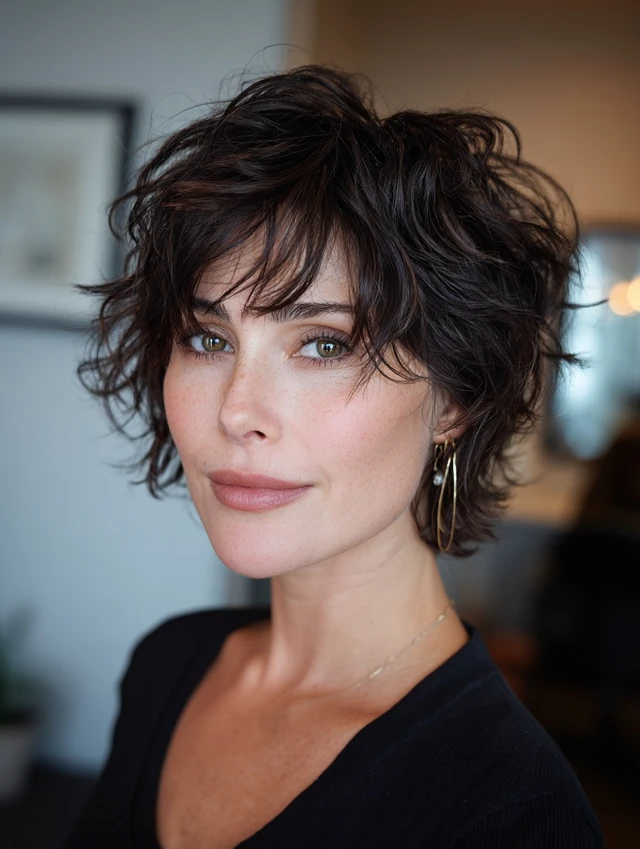
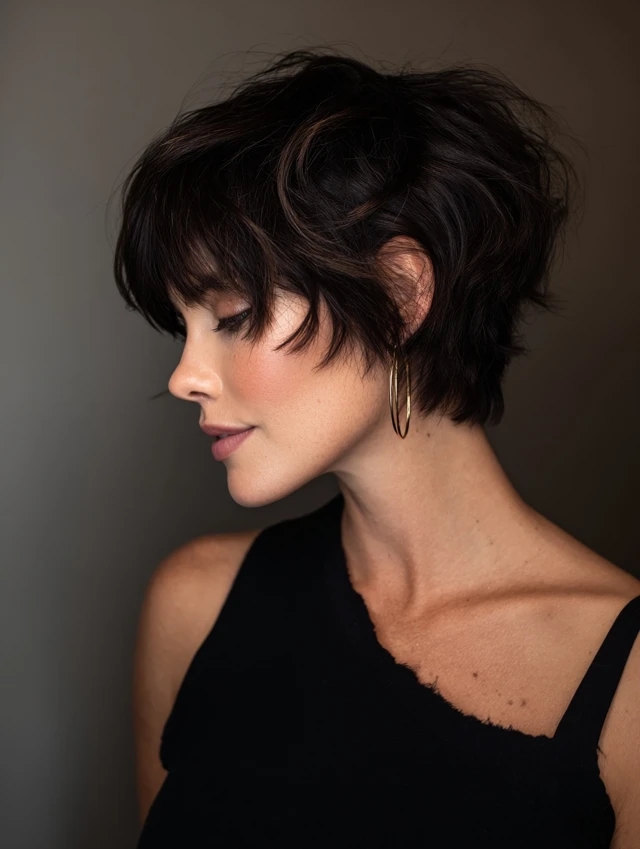
Short Shag Cut
The short shag cut emphasizes texture and lift. The compact layers build volume quickly and highlight cheekbones. It works best for fine to medium hair.
1
2
3
4
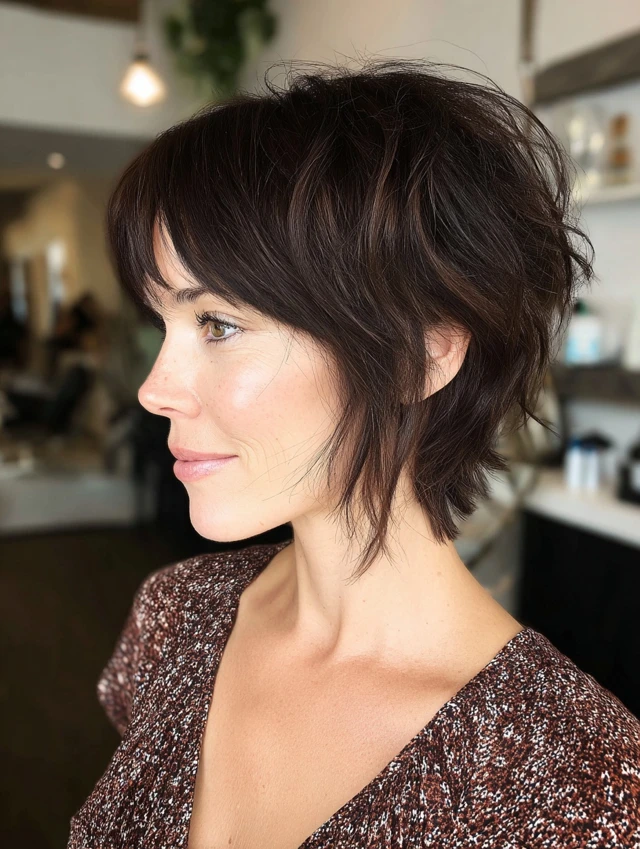
Apply volumizing spray and finger-style for separation. This cut fits active lifestyles and warmer climates. Styling time stays short, which makes it practical.
Shag Cut with Curtain Bangs
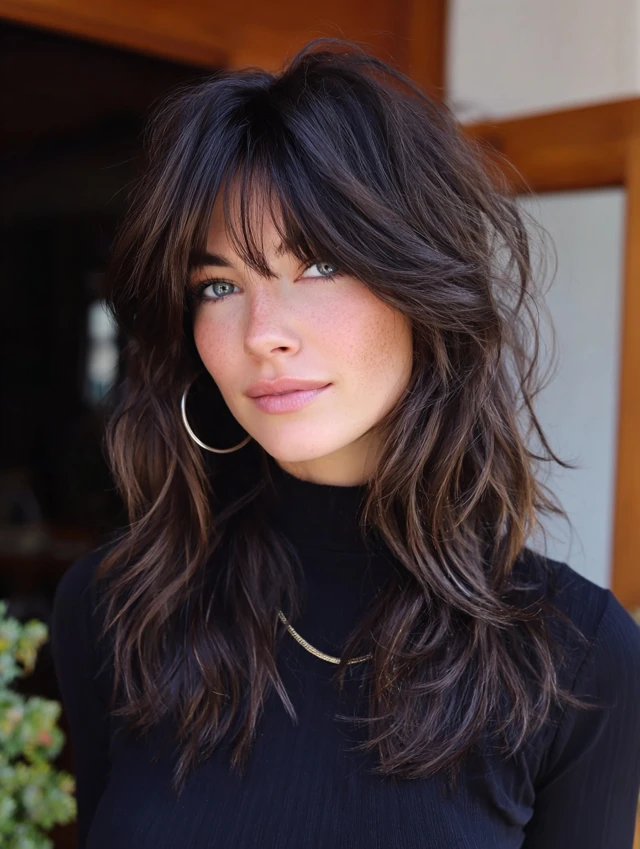
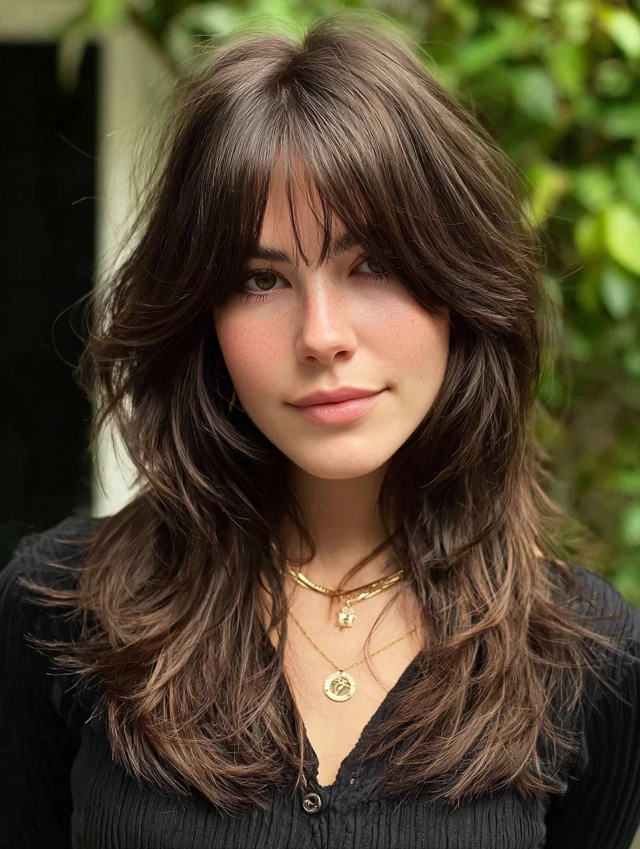
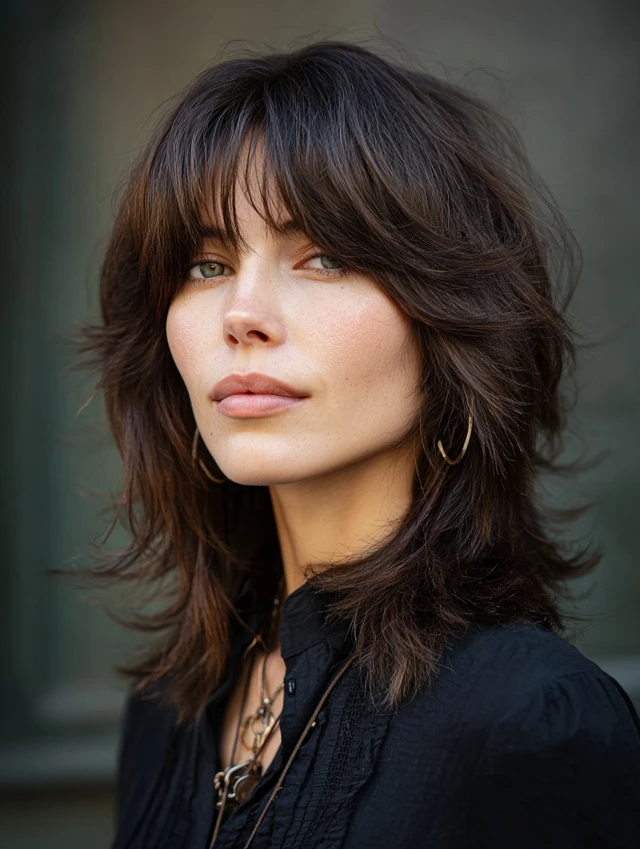
Curtain bangs pair naturally with a shag cut. They blend into the side layers and frame the face softly. This works well for heart and oval face shapes.
1
2
3
4
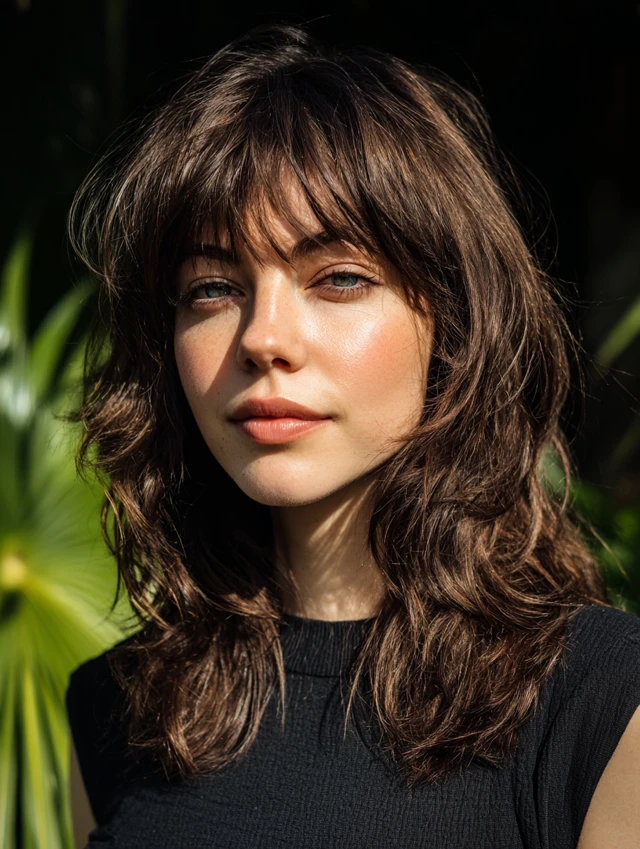
Blow-dry the bangs outward for light movement. Let the rest air-dry for a relaxed finish. This style feels balanced and easy to maintain with regular trims.
Curly Shag Cut
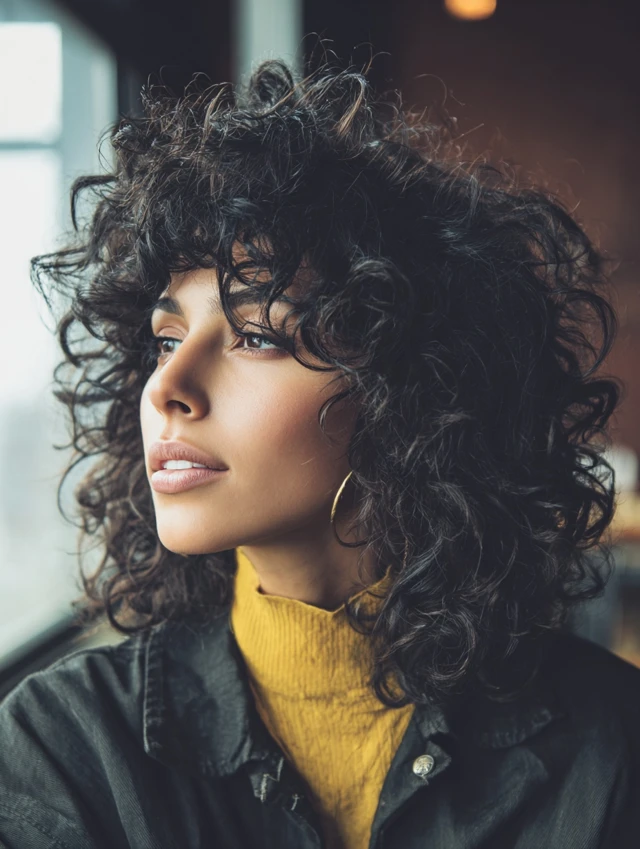
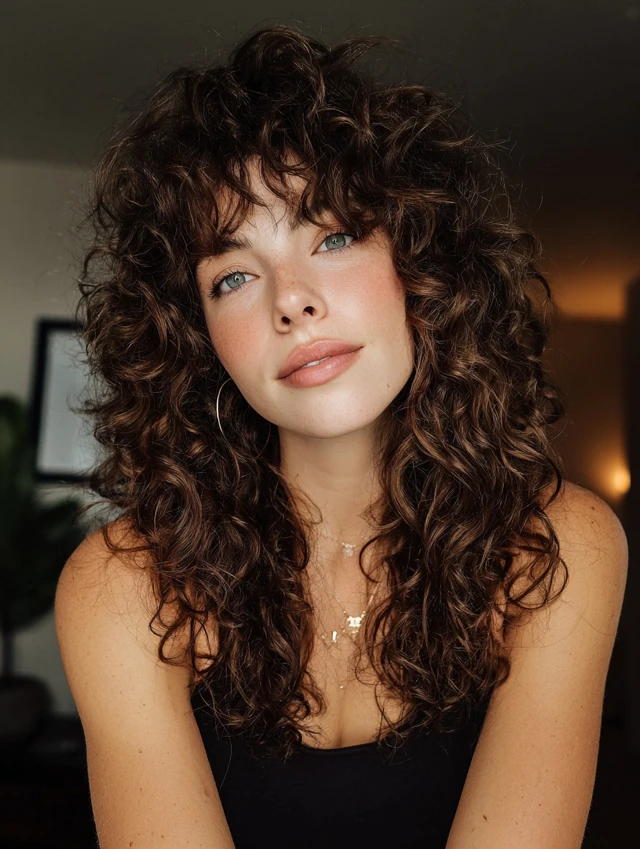
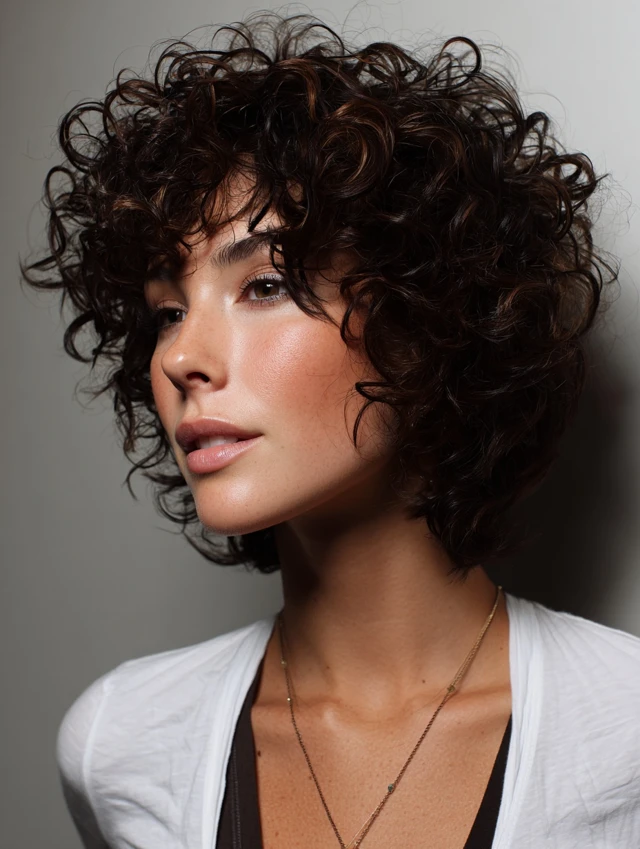
Curly hair thrives with a shag cut. Layers remove excess bulk and define curls evenly. The crown gains height while the ends stay rounded.
1
2
3
4
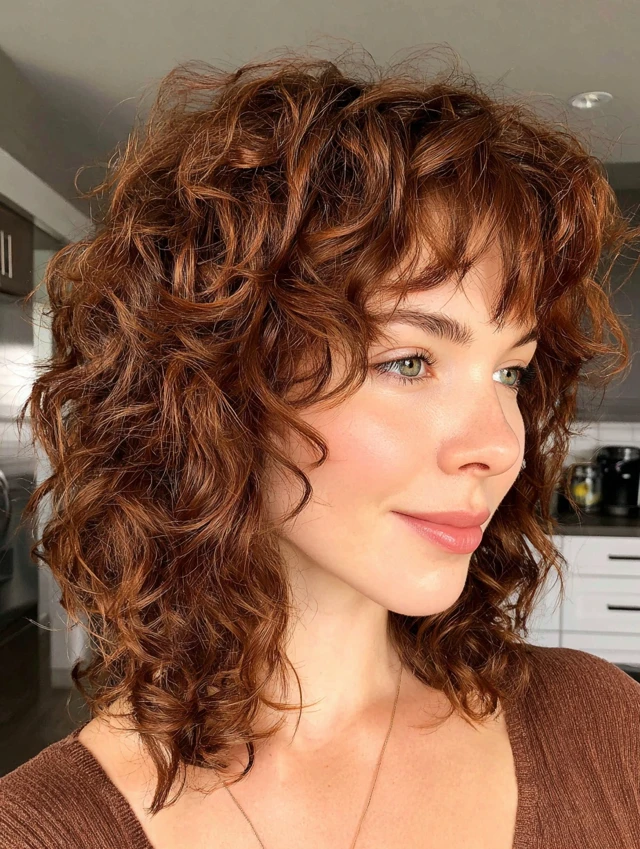
Use curl cream and diffuse gently to maintain bounce. This cut prevents the triangle effect common with long curls. It suits both everyday wear and social events.
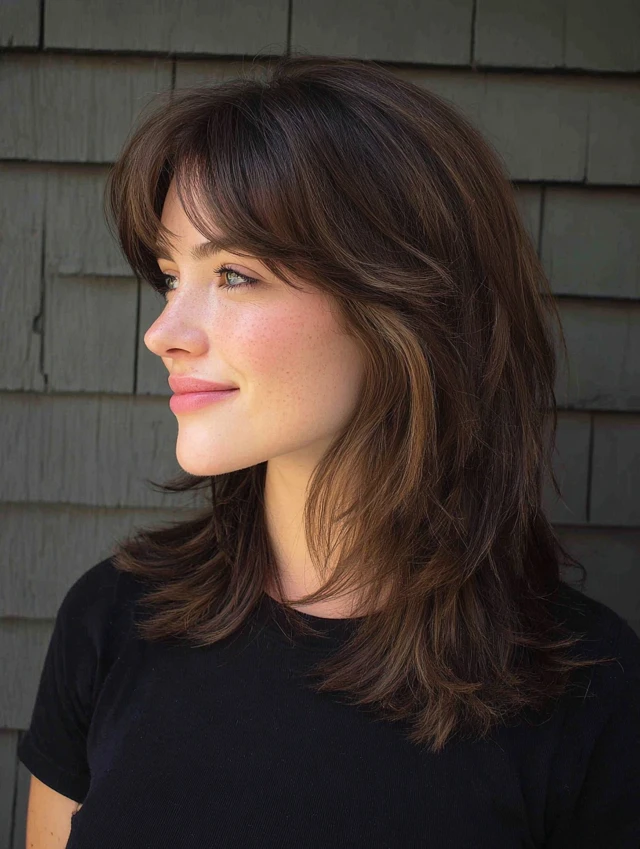
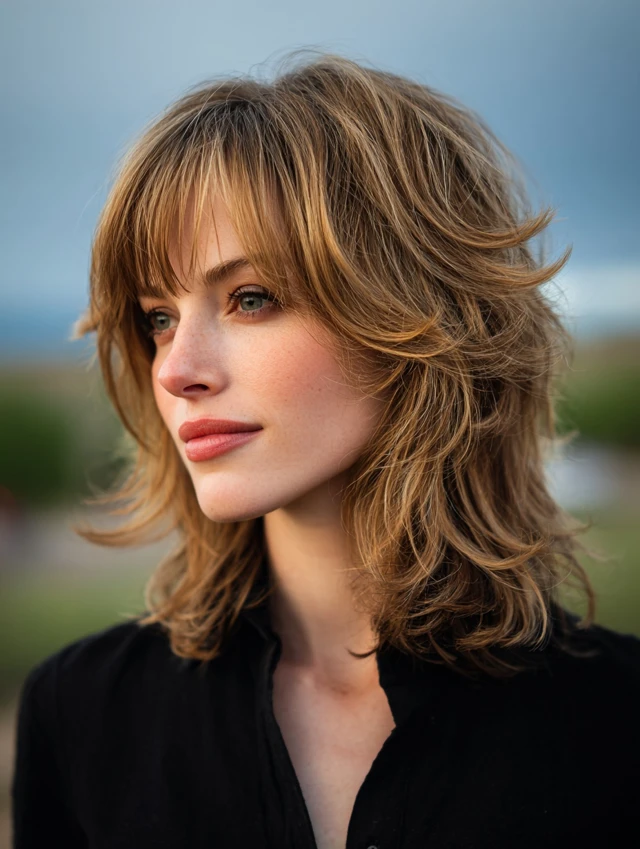
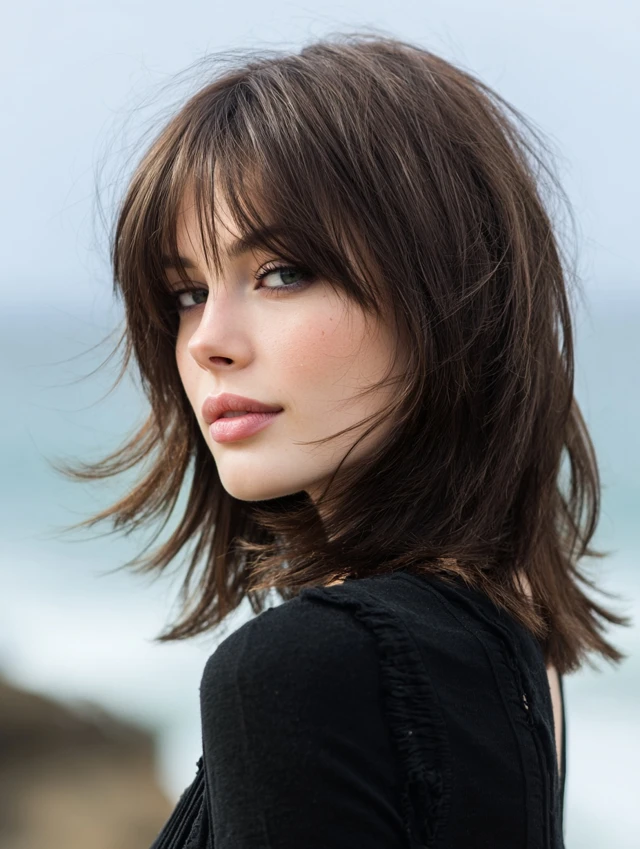
Soft Feathered Shag Cut
This softer shag cut tones down dramatic layering. The layers blend gradually for subtle texture. It suits professional environments while keeping movement alive.
1
2
3
4
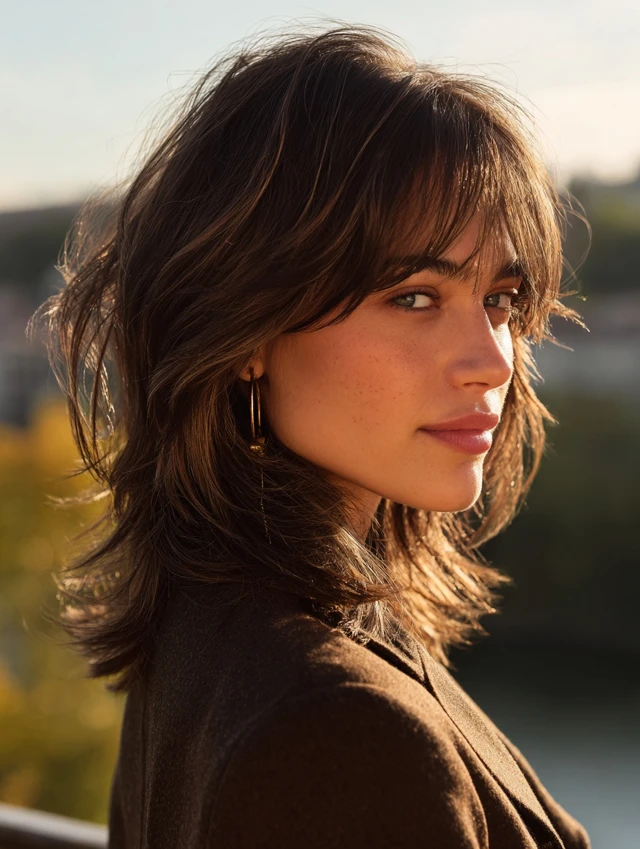
Blow-dry with a round brush for smooth lift. Add light hold spray to maintain shape. This option works for those who want texture without extreme choppiness.
How to Style and Maintain a Shag Cut
To maintain a shag cut, trim every eight to ten weeks. Keep the crown layers defined and the ends light. Avoid heavy products that weigh hair down.
Use texture spray or mousse on damp hair. Diffuse for volume or air-dry for a natural finish. Focus on lift at the roots. The goal is movement, not stiffness.
Final Thoughts on the Shag Cut
The shag cut delivers texture, shape, and flexibility. It works across lengths and hair types. You can make it bold with heavy layers or subtle with soft blending.
If you want volume without a strict shape, this cut makes sense. Would you go for a short textured shag or keep it long and layered?