Fulani braids are a traditional African braided style inspired by the Fulani people of West Africa. The look often features cornrows braided straight back with a center braid and decorative beads. Fulani braids combine structure and artistry. They protect natural hair while allowing creative patterns and parting designs. The style works on different hair lengths and textures. Fulani braids are practical for daily wear, travel, and special events. If you want a protective style that carries cultural depth and visual impact, this one stands out.
Why Fulani Braids Are Protective and Versatile
Fulani braids protect natural hair by reducing daily manipulation. The cornrow base keeps strands secure and tucked away. This helps minimize breakage and tension when done properly.
They are also highly customizable. You can adjust braid size, parting patterns, and bead placement. Fulani braids work for school, work, and formal events. The structure stays neat for weeks with proper care.
Fulani Braids Styles to Try
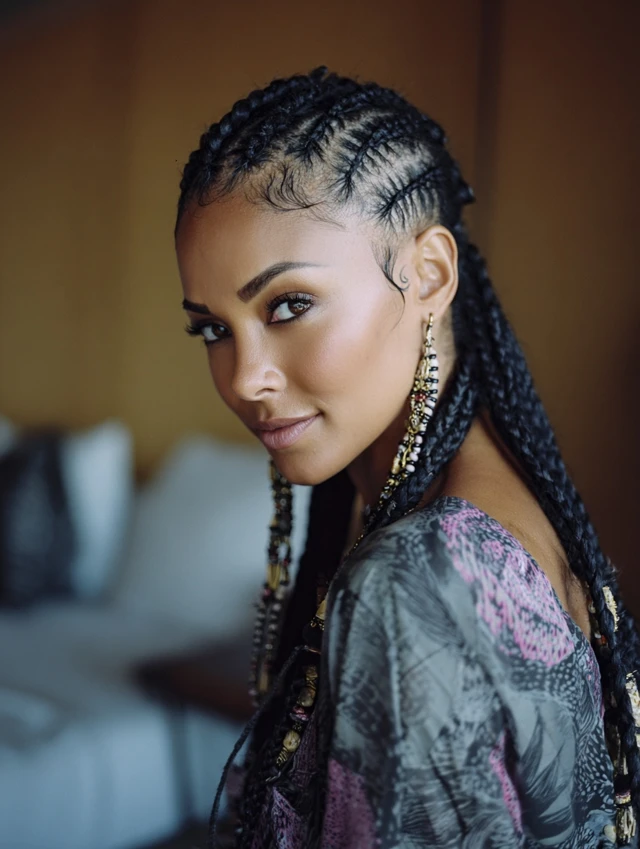
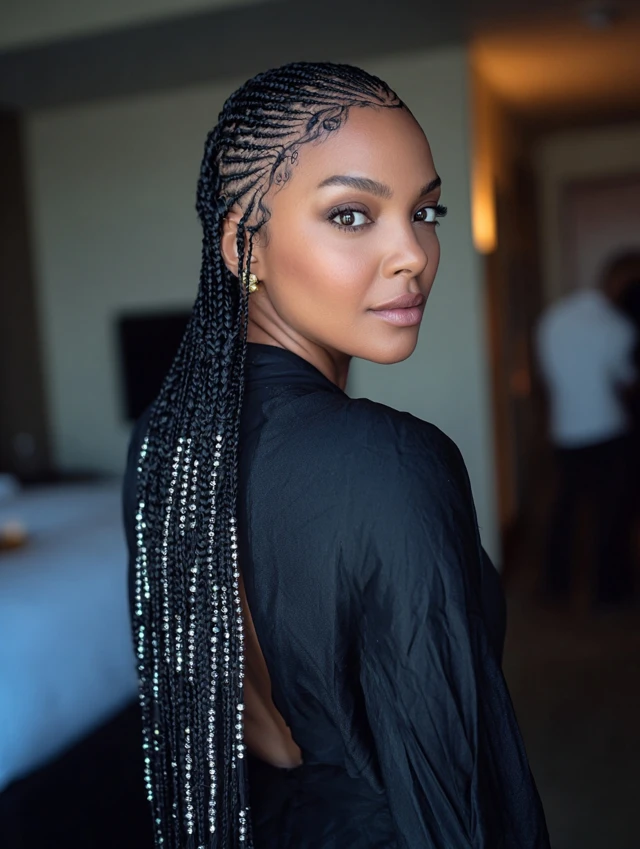
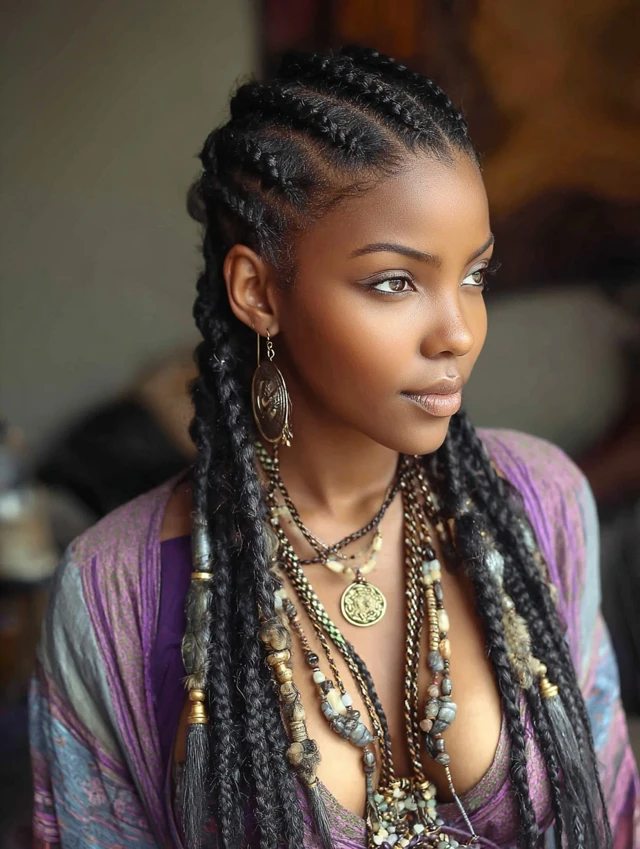
Classic Fulani Braids with Beads
This version features straight-back cornrows with a central braid and beads at the ends. The beads add rhythm and personality.
1
2
3
4
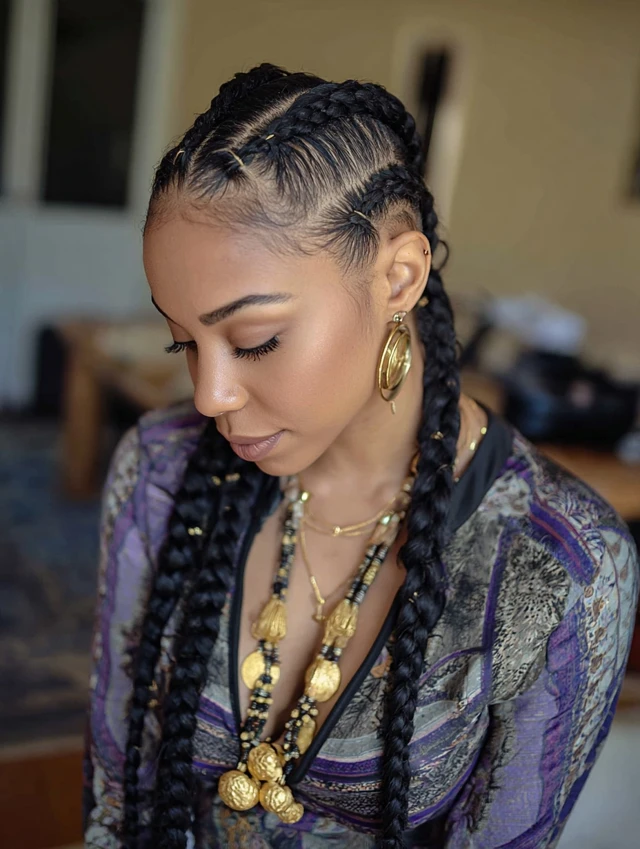
It works well for medium to long hair. Choose clear, wooden, or colorful beads depending on your style. This look suits everyday wear and cultural events alike.
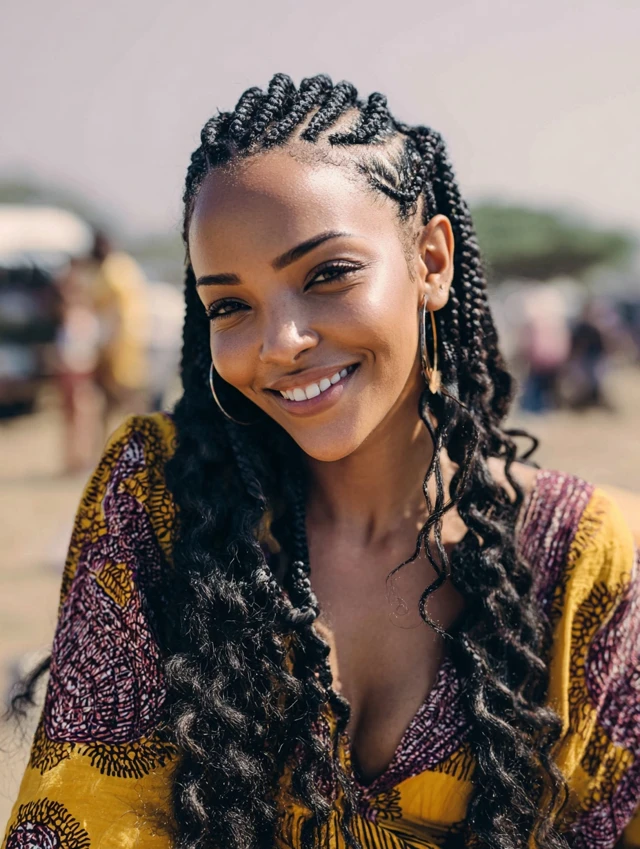
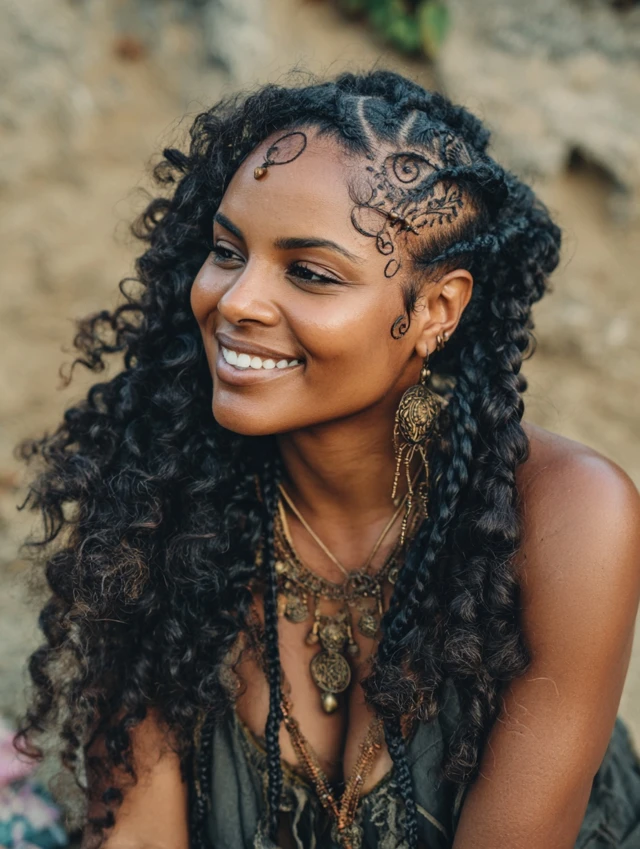
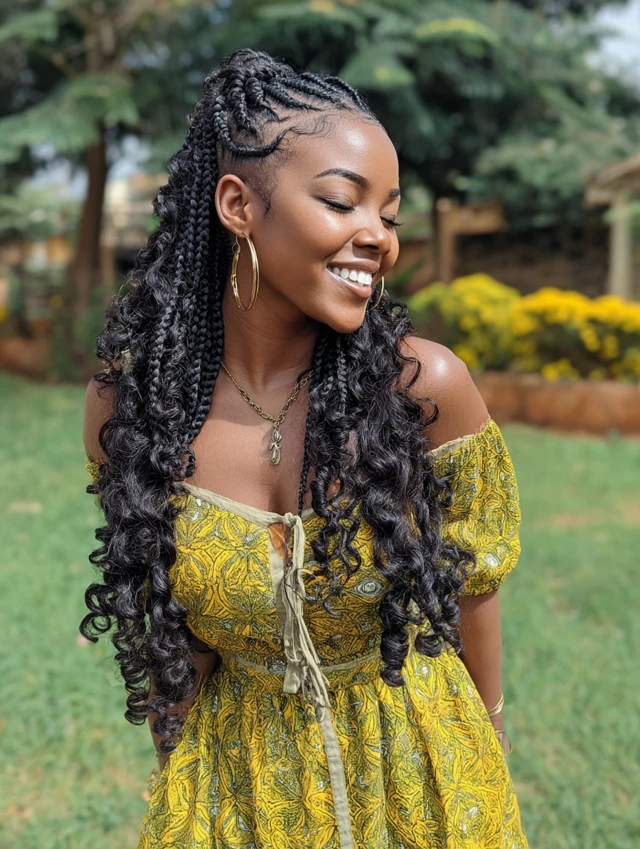
Fulani Braids with Curly Ends
This variation keeps the cornrow base but leaves the ends loose and curly. The mix of braids and curls adds softness and movement.
1
2
3
4
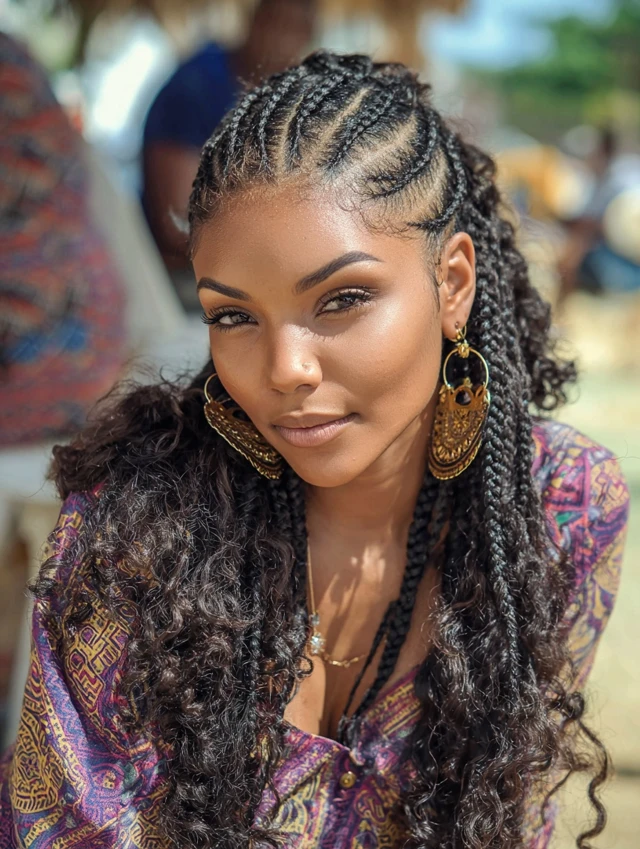
It flatters oval and heart-shaped faces. Use mousse to define curls and control frizz. This option works well for social gatherings and photos.
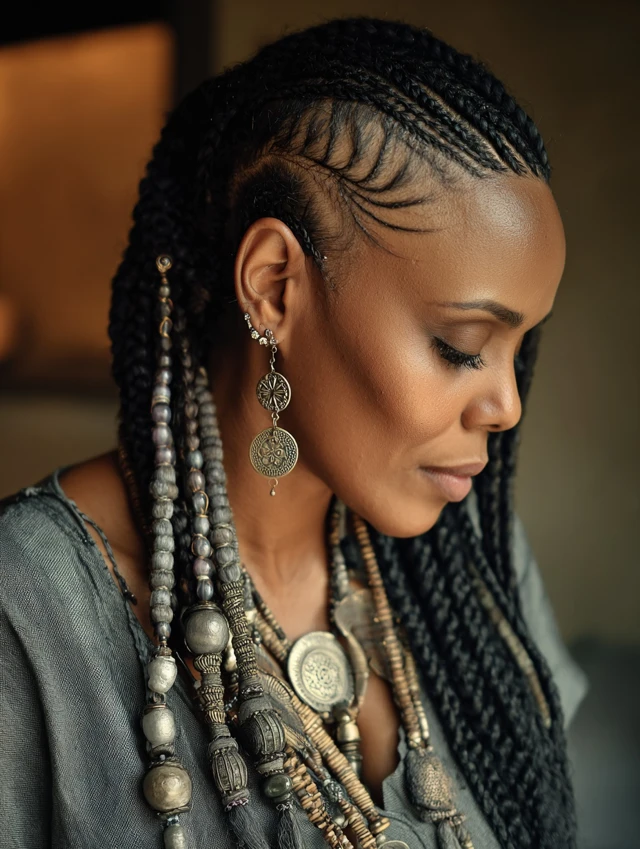
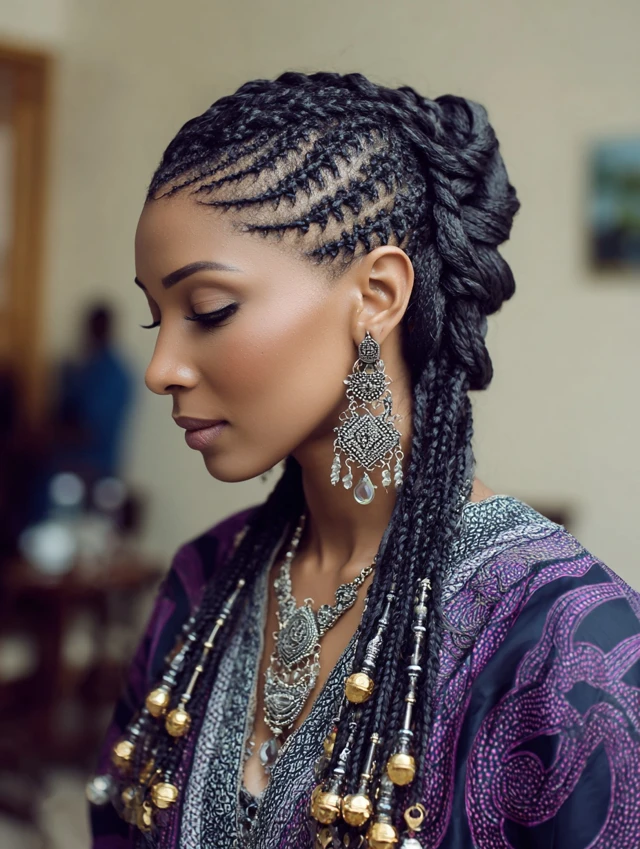
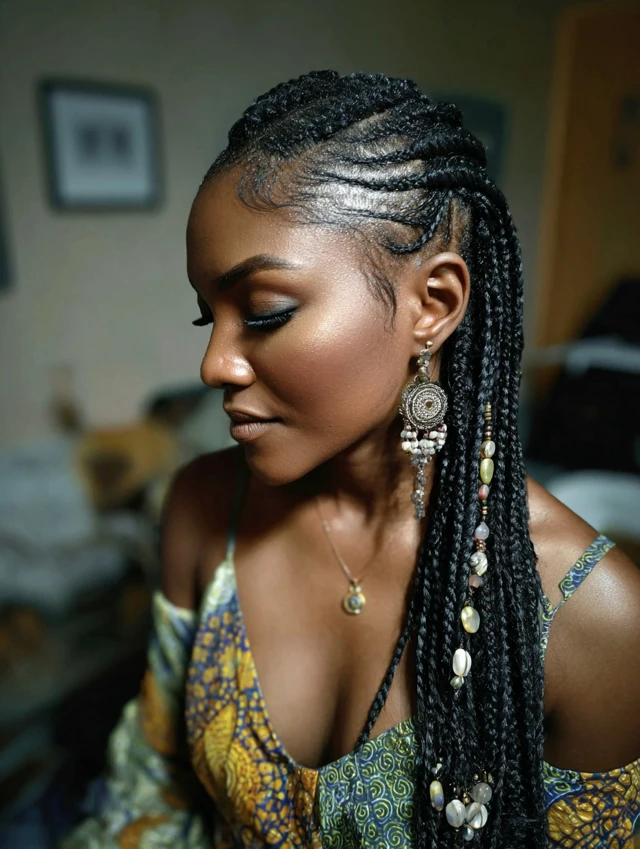
Side-Part Fulani Braids
A side part changes the structure of traditional Fulani braids. The asymmetry adds modern flair while keeping the protective base.
1
2
3
4
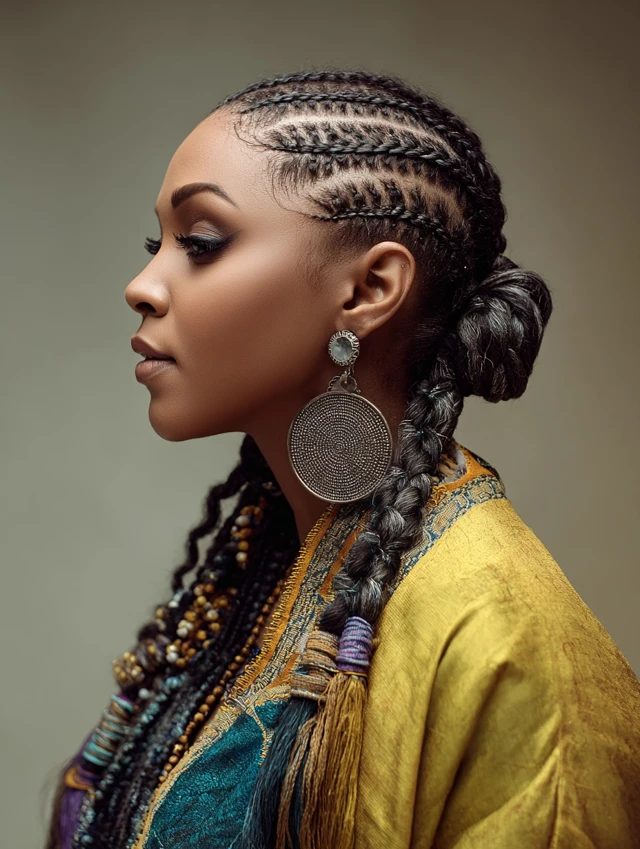
This style works especially well for round faces because it creates visual length. Add beads or cuffs for detail. Maintenance remains simple and manageable.
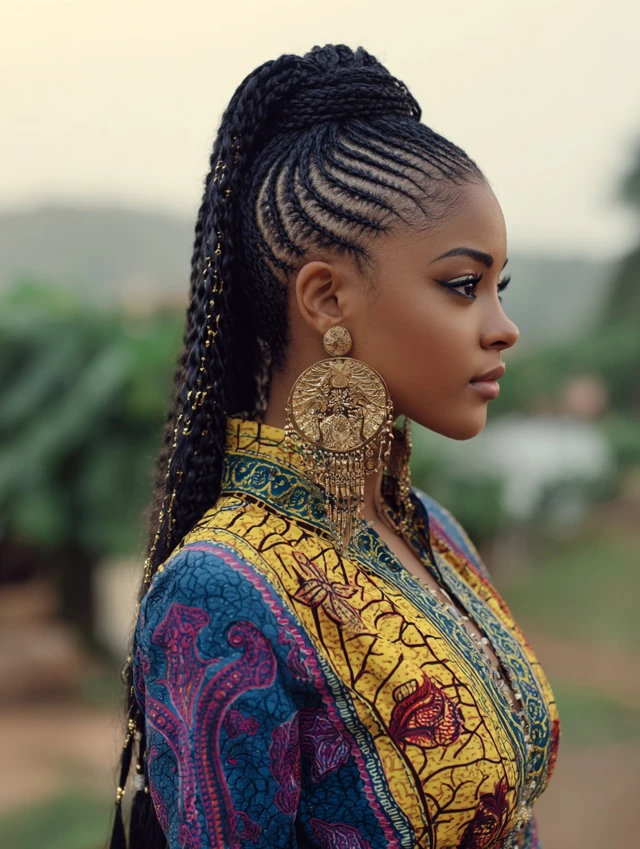
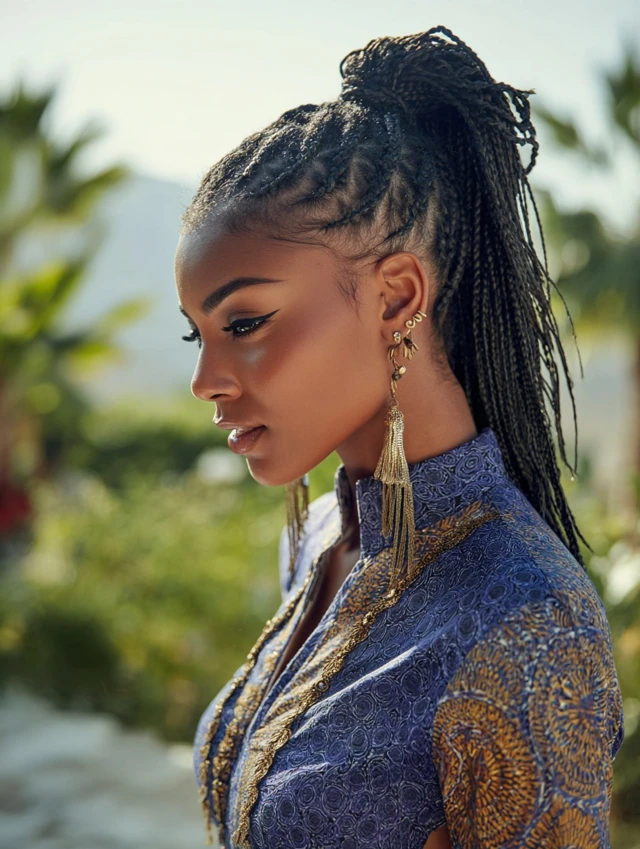
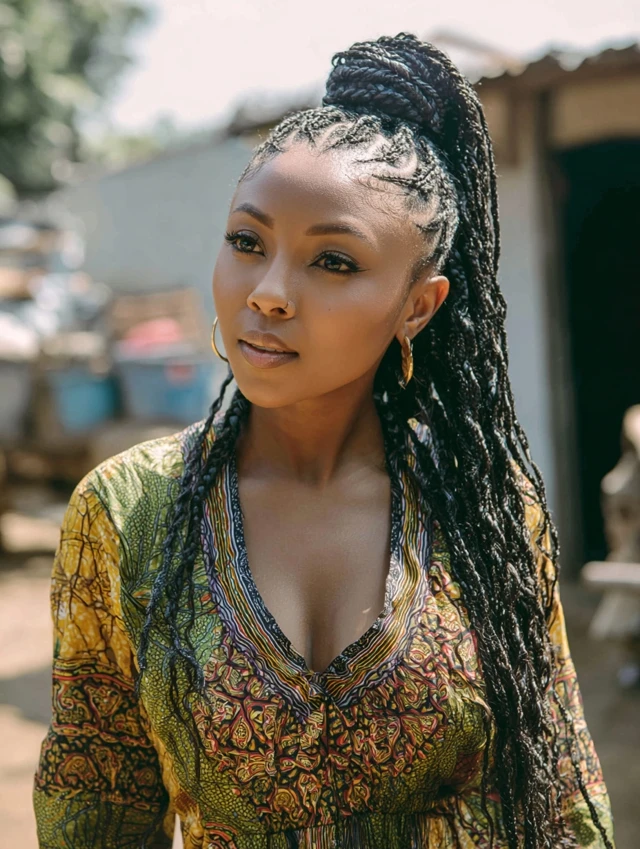
Fulani Braids into a High Ponytail
Cornrows feed into a high ponytail for a lifted effect. The ponytail can stay braided or be left curly.
1
2
3
4
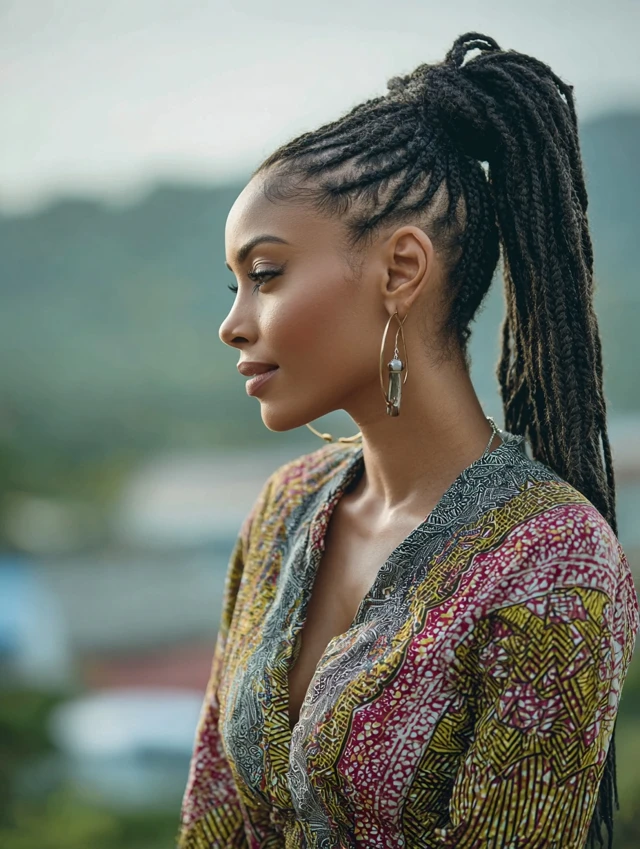
This option highlights facial features and keeps hair off the neck. It suits active routines and warmer climates. Secure the base firmly but avoid excess tension.
Fulani Braids with Tribal Patterns
Intricate parting and creative cornrow patterns elevate the look. This style blends traditional inspiration with personal expression.
1
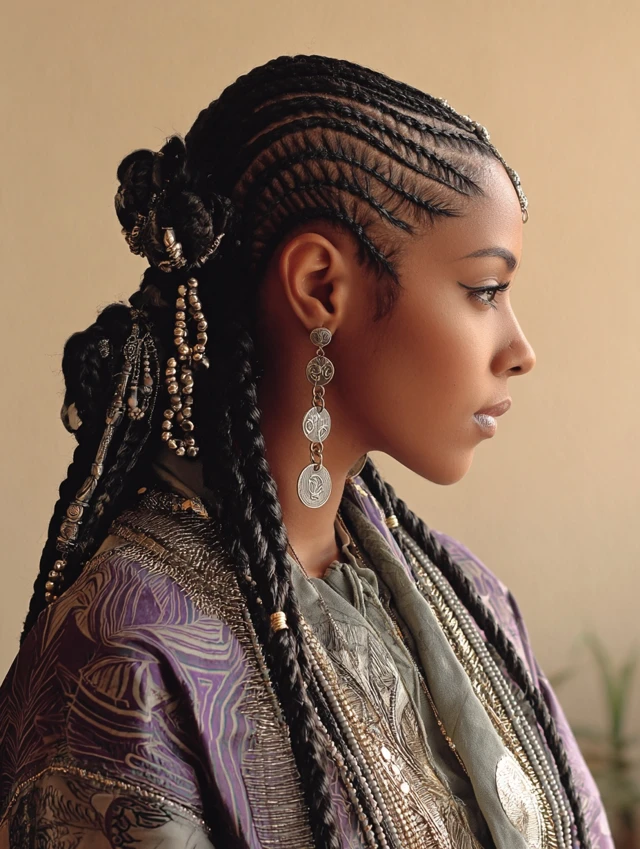
2
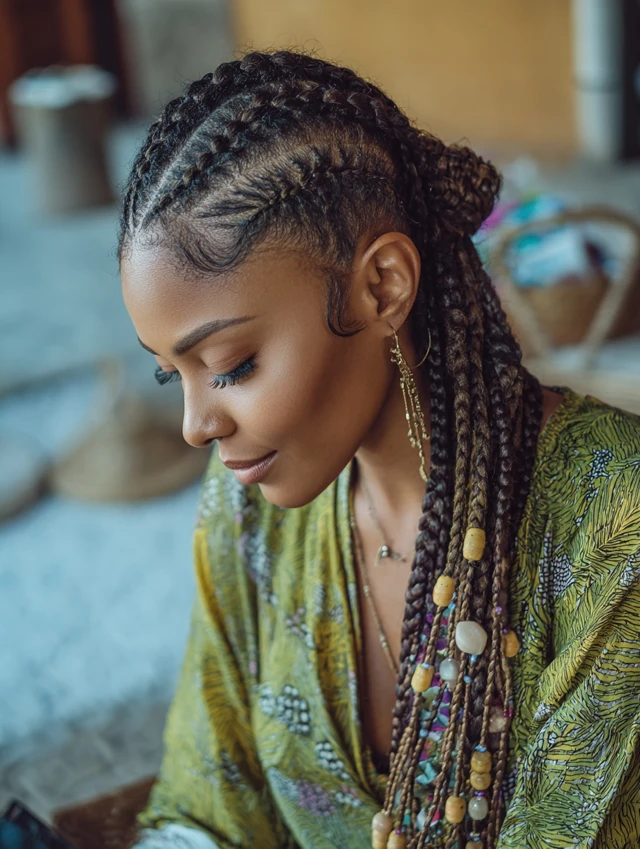
3
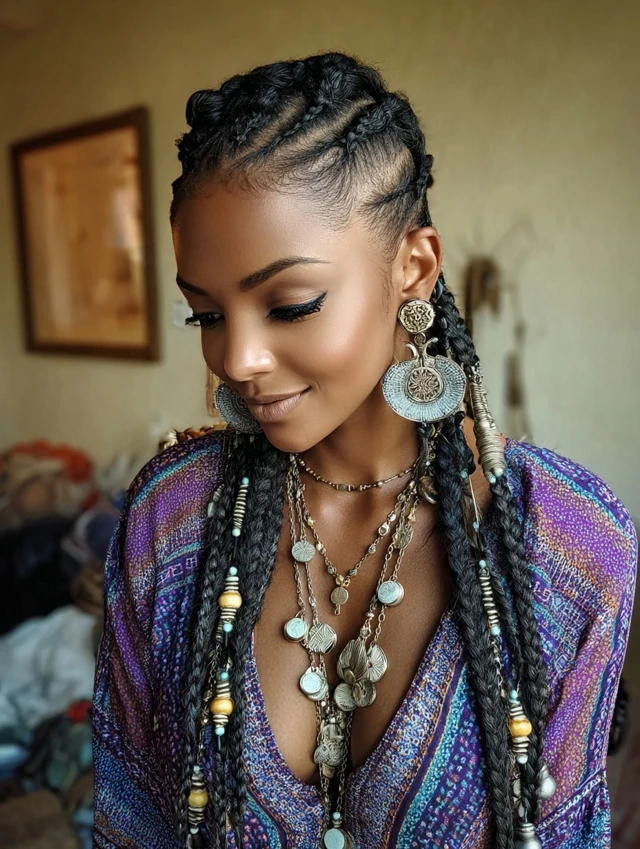
4
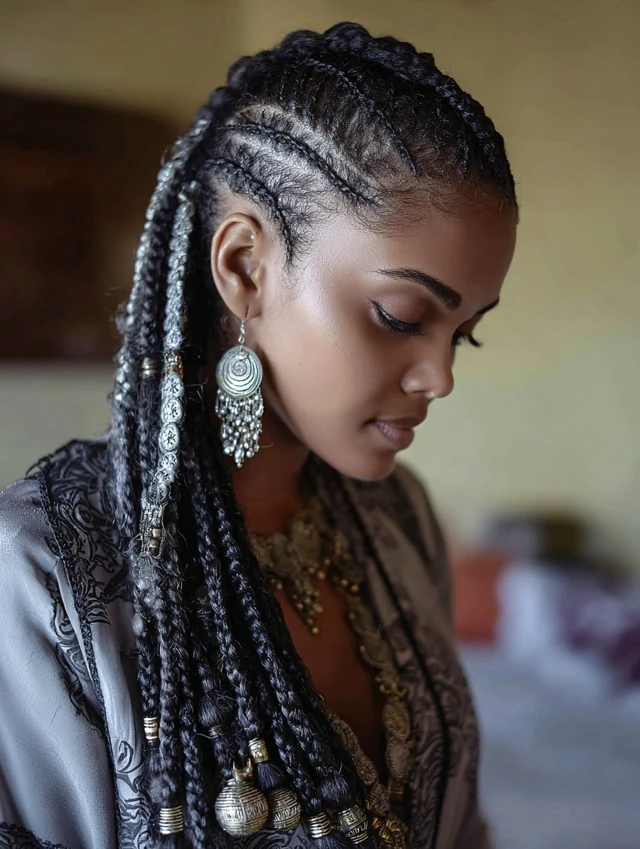
It works best when installed by an experienced braider. Keep the scalp moisturized to prevent dryness. This version feels bold and detailed.
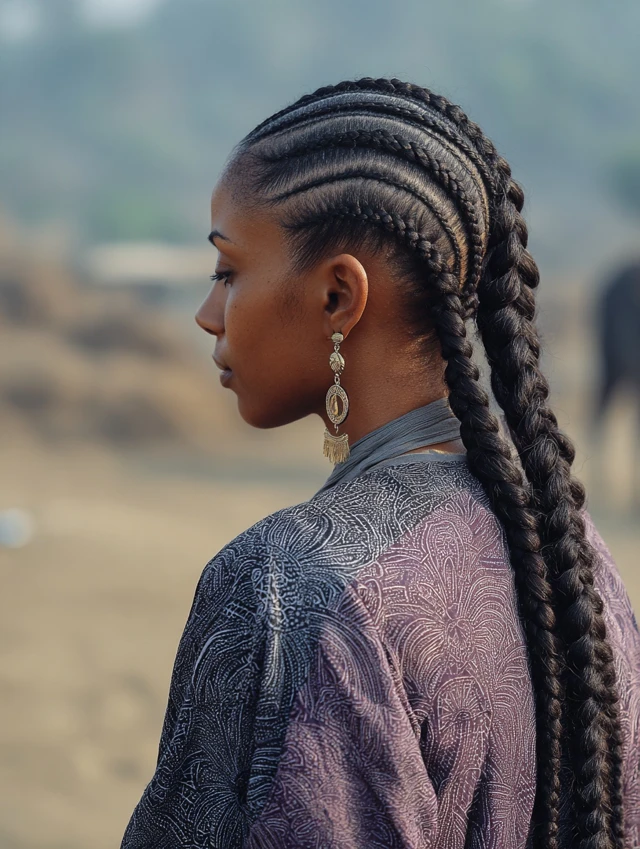
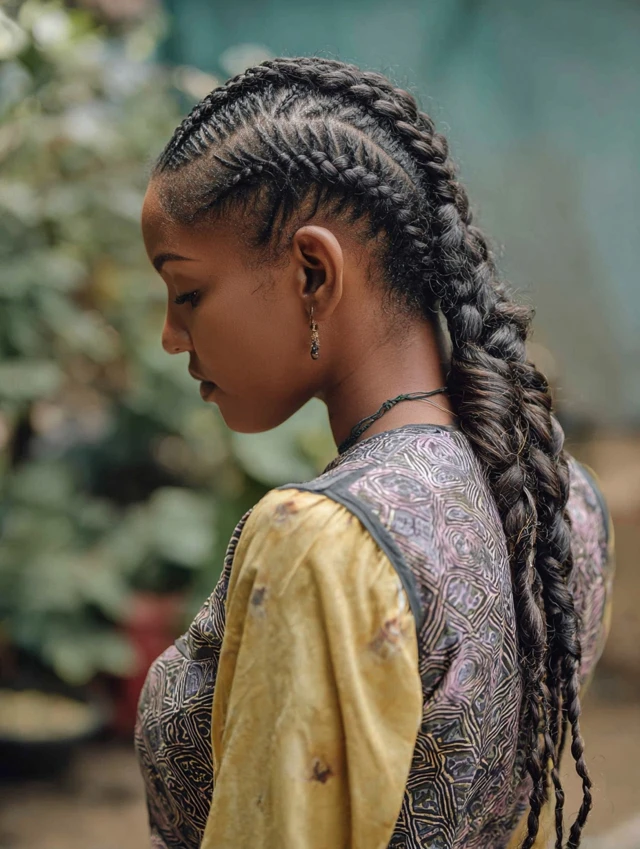
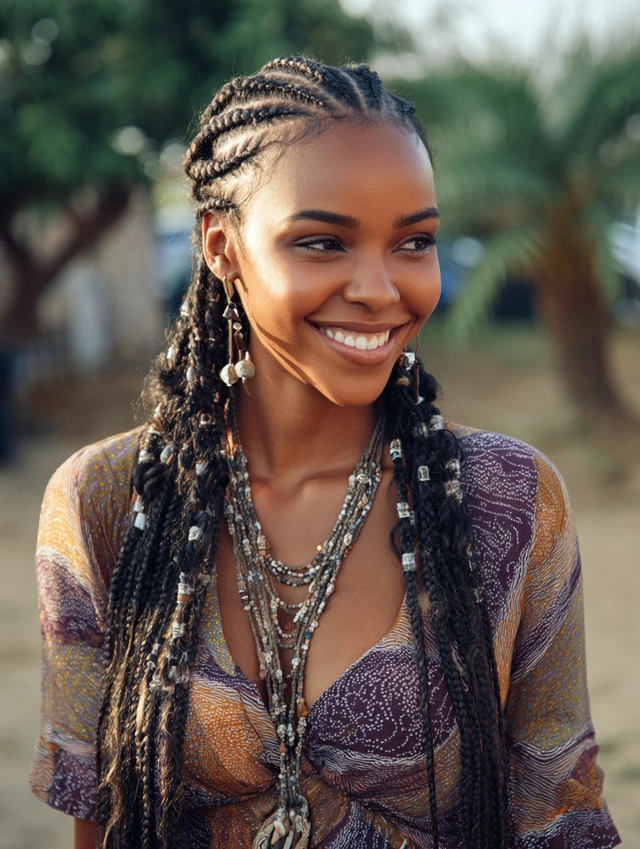
Fulani Braids with Knotless Extensions
Knotless techniques reduce tension at the scalp. This makes Fulani braids lighter and more comfortable.
1
2
3
4
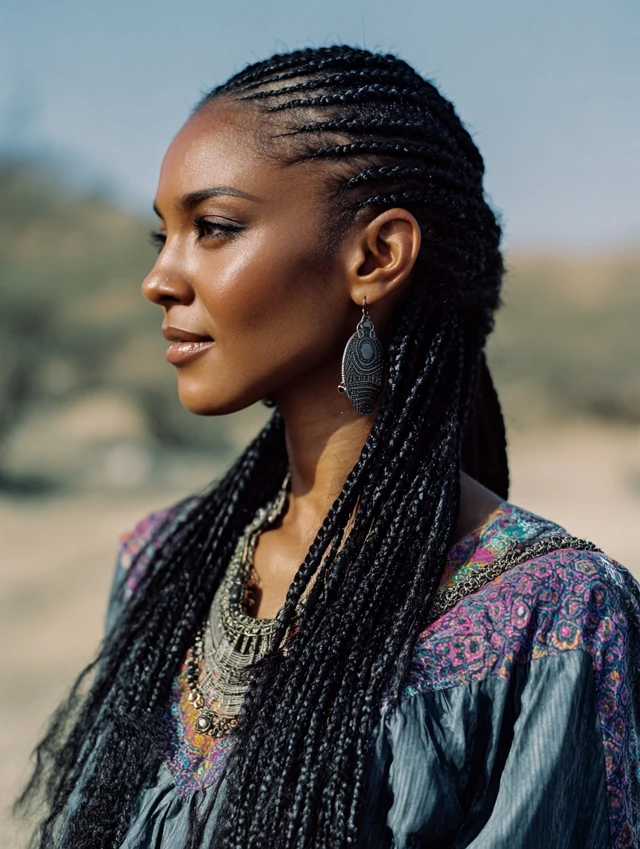
The finish looks seamless and natural. This option suits those with sensitive scalps. Proper nighttime wrapping keeps the braids fresh longer.
How to Maintain Fulani Braids
Moisturize your scalp with lightweight oil or spray every few days. Avoid heavy buildup at the roots. Sleep with a satin scarf or bonnet to reduce frizz.
Clean your scalp gently using diluted shampoo. Do not keep braids installed longer than recommended to prevent breakage. Proper care keeps the style neat and healthy.
Final Thoughts on Fulani Braids
Fulani braids blend culture, protection, and beauty. They offer structure while allowing creative expression through beads and patterns. The style remains practical yet striking.
If you choose Fulani braids, would you keep them classic with beads or experiment with curly ends and modern patterns?