Dutch braid hairstyles stand out because the braid sits on top of the hair instead of blending in. The technique crosses sections under instead of over, creating a raised effect. This makes the braid look fuller and more defined. Dutch braids work for school, workouts, events, and everyday wear. They suit straight, wavy, and lightly curly textures. If you want a braid that looks structured and bold without being complicated, the Dutch braid delivers clean shape and strong detail.
Why Dutch Braid Hairstyles Always Pop
Dutch braid hairstyles create visible texture. The raised pattern adds dimension and makes fine hair look thicker. The structure also keeps hair secure throughout the day.
They adapt to many lengths and face shapes. A single braid can elongate the face, while double braids create balance. Because the braid sits on top, it draws attention and frames features clearly.
Best Dutch Braid Hairstyles to Try
Classic Single Dutch Braid
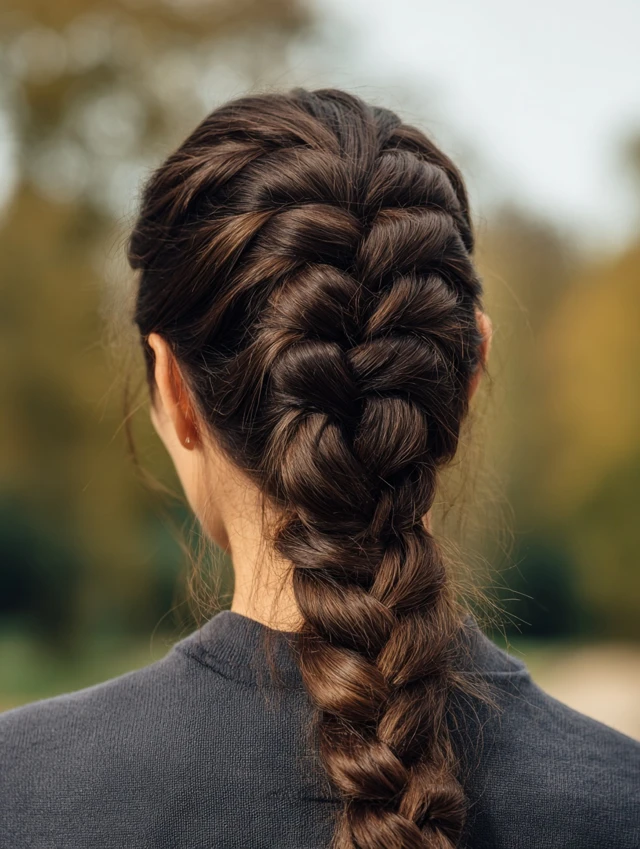
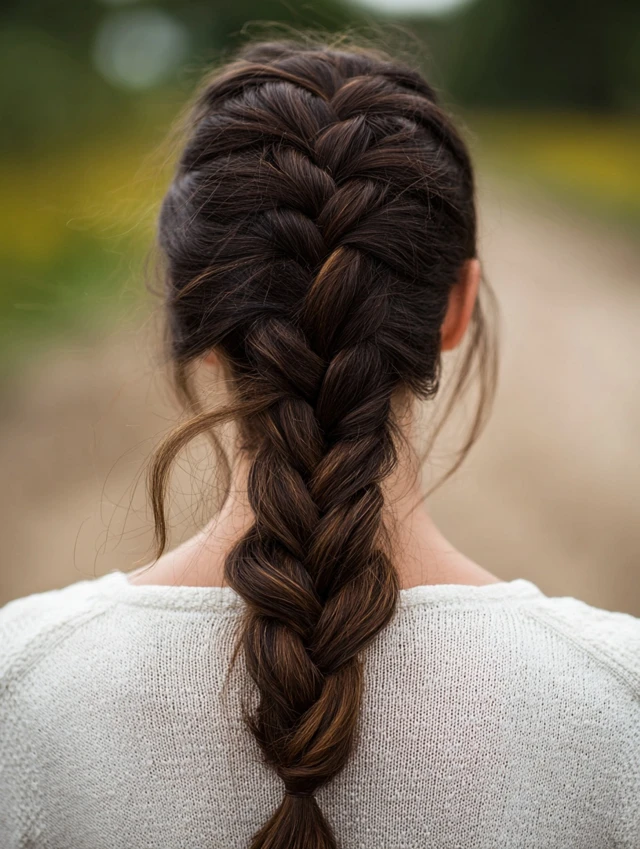
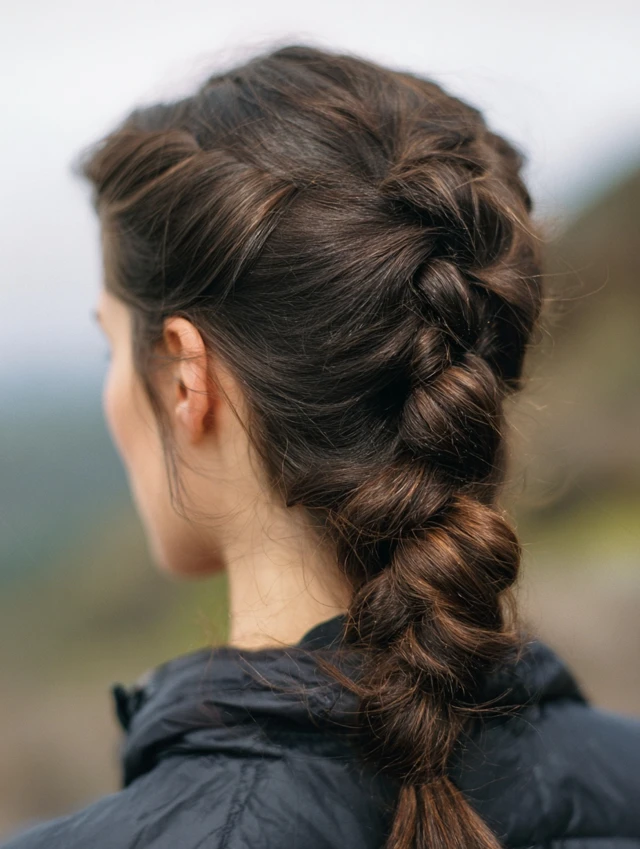
A single Dutch braid runs straight down the center or slightly off to one side. This works well for oval and heart-shaped faces because it keeps proportions balanced. The raised braid adds strong definition.
1
2
3
4
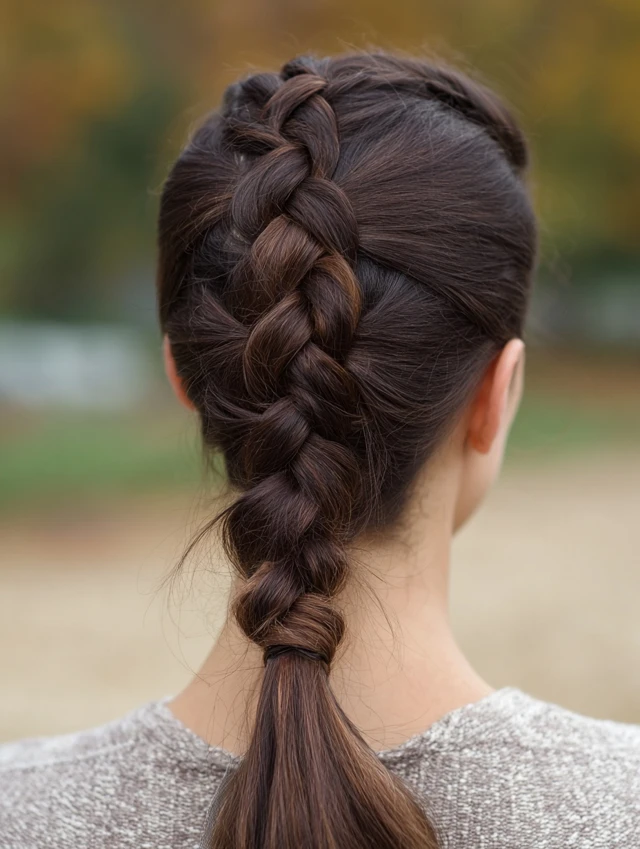
It suits medium to long hair. Keep the sections even for a clean finish. This style fits school, work, and casual outings. Light hairspray helps control flyaways.
Double Dutch Braids
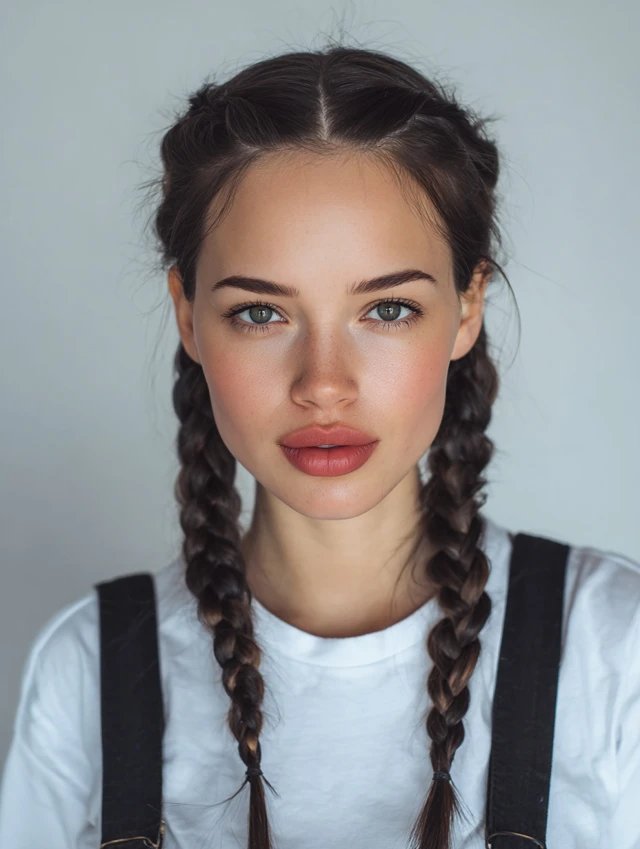
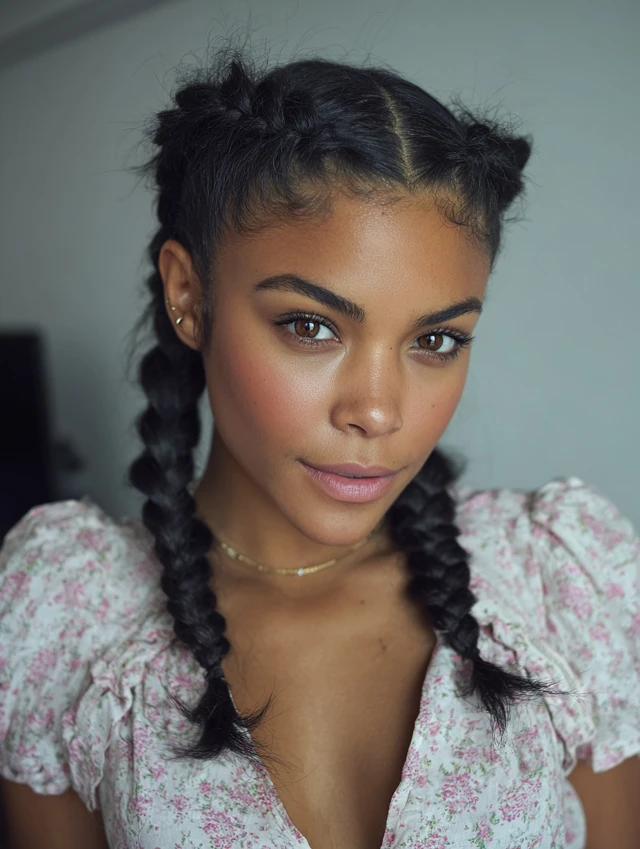
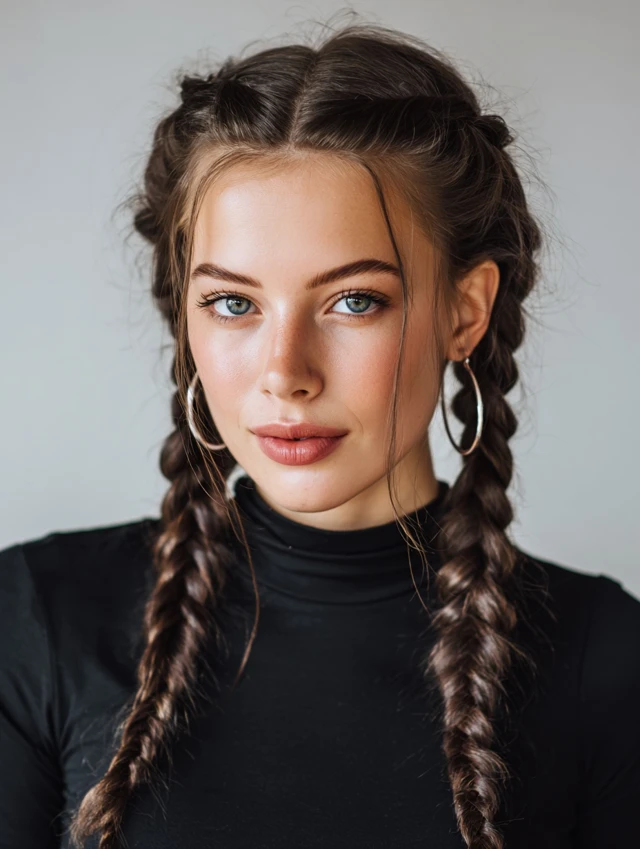
Double Dutch braids create symmetry and structure. They work well for round faces because the vertical lines add length. The twin braids keep hair secure and lifted.
1
2
3
4
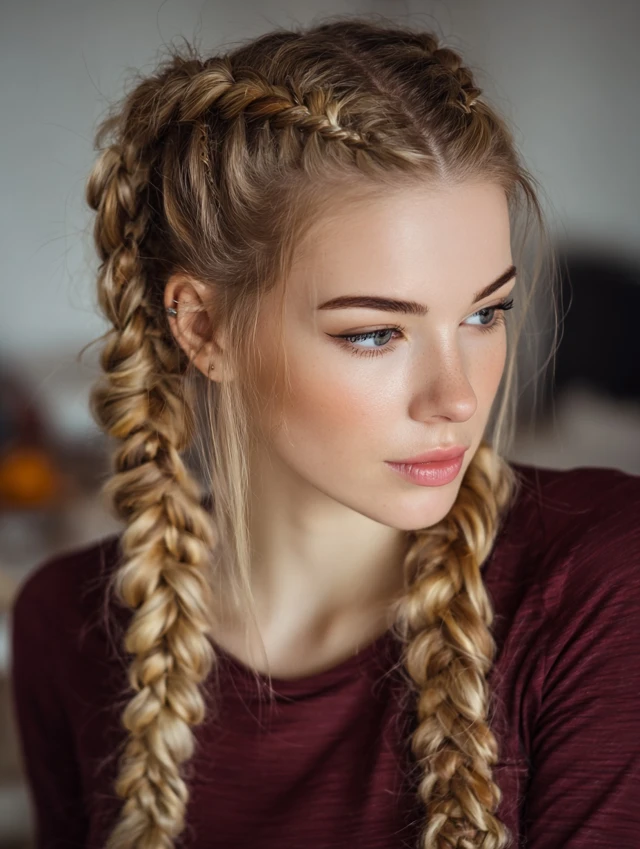
This style suits active routines and workouts. Part the hair evenly down the middle. Keep tension consistent for a neat finish. It stays in place all day with minimal maintenance.
Dutch Braid Ponytail
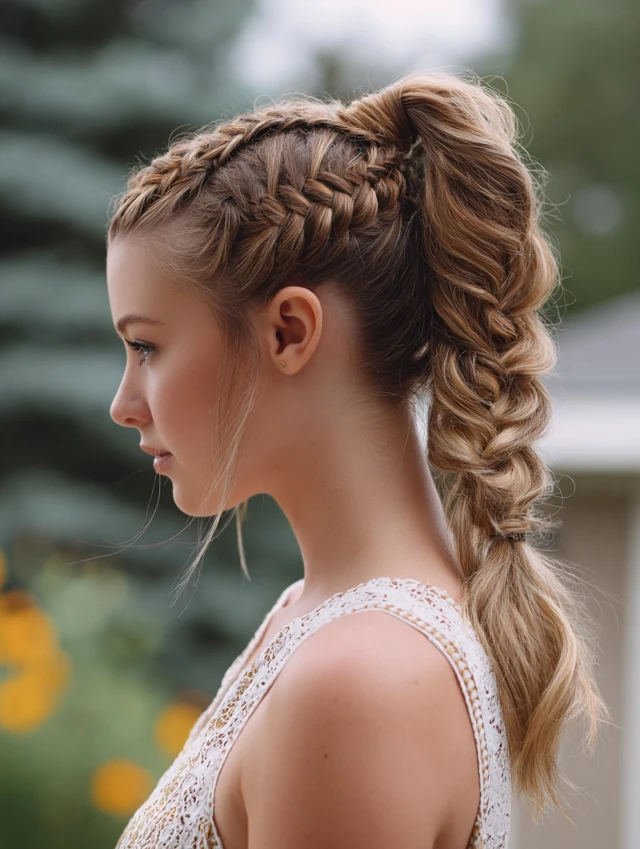
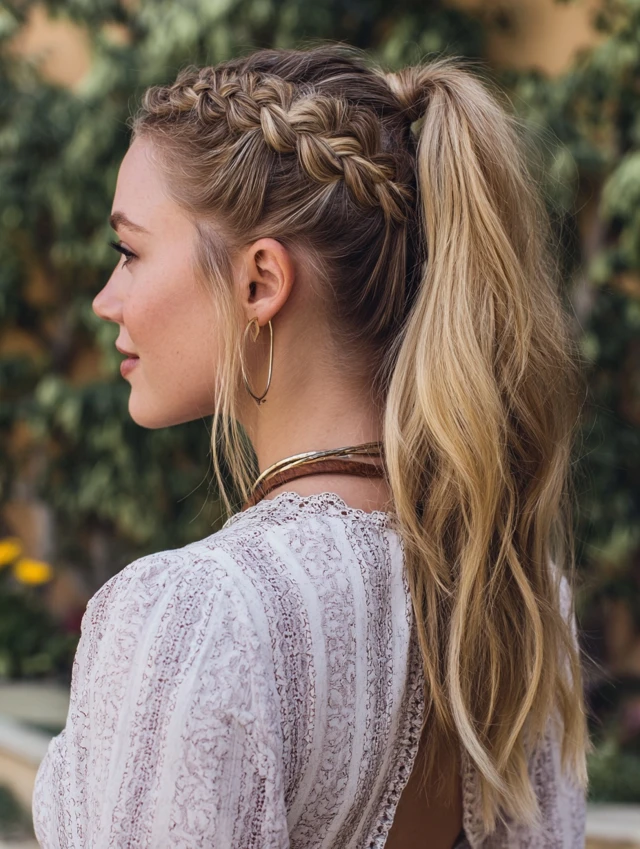
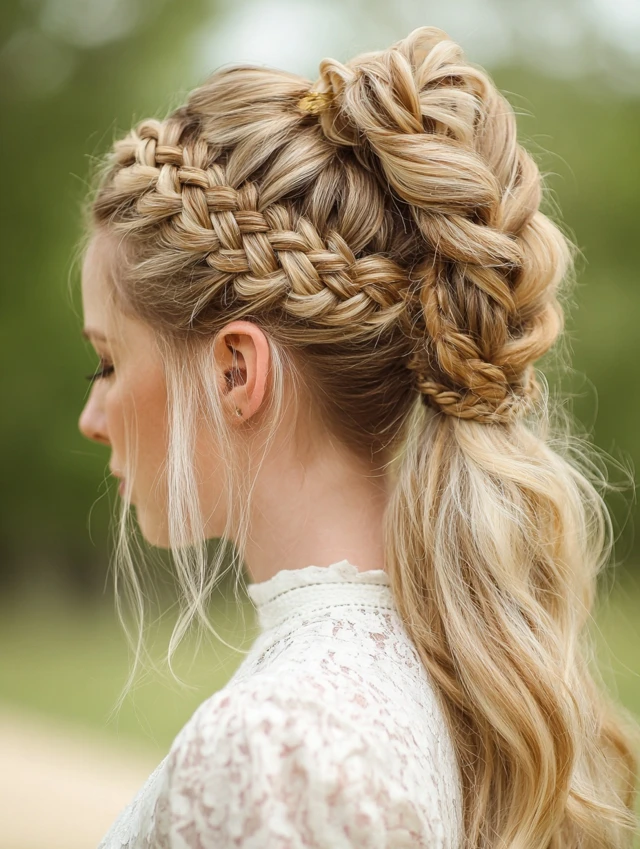
Start with a Dutch braid at the crown and gather the rest into a ponytail. This adds lift at the top while keeping length controlled. It flatters round and square faces.
1
2
3
4
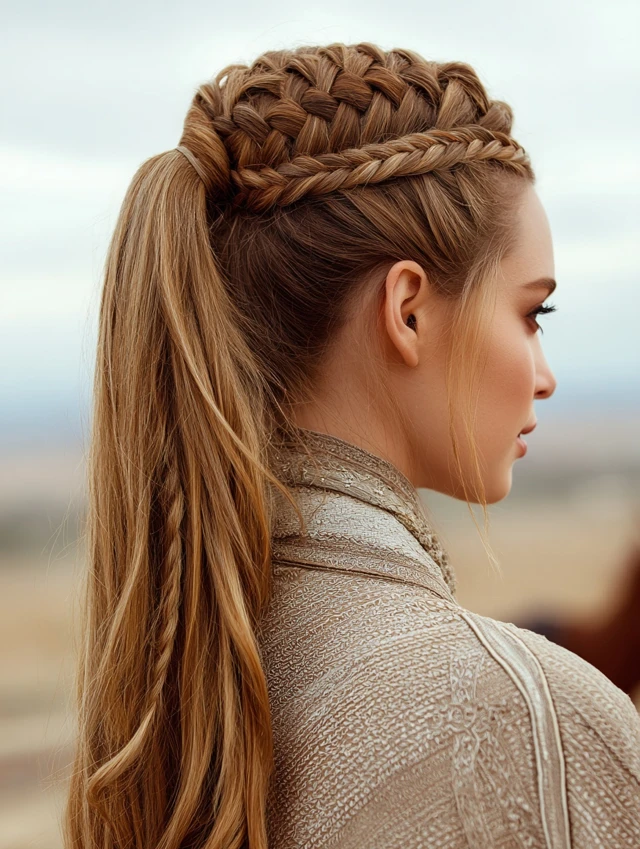
It suits medium to long hair. Keep the braid tight at the start and loosen slightly near the ponytail. This look fits busy days and social settings. It feels polished but practical.
Side Dutch Braid
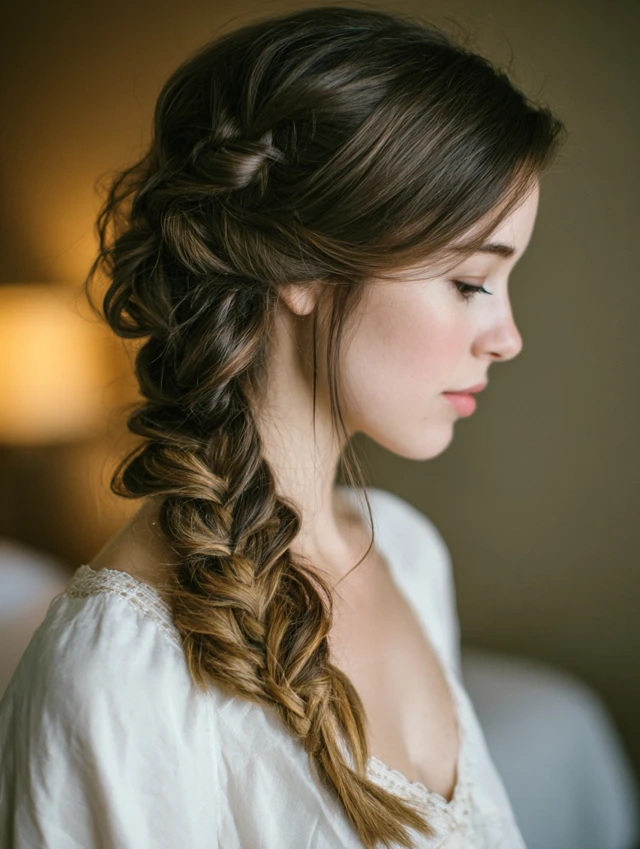
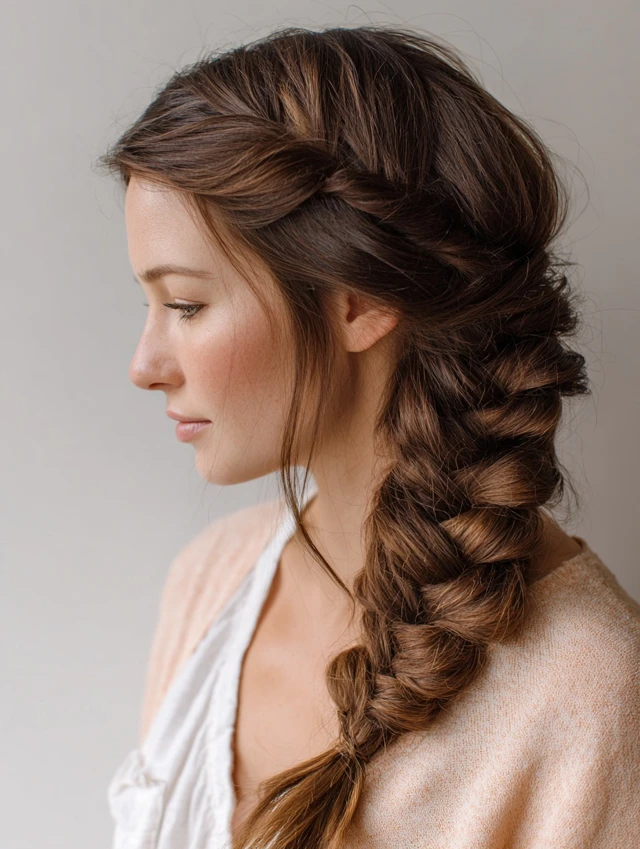
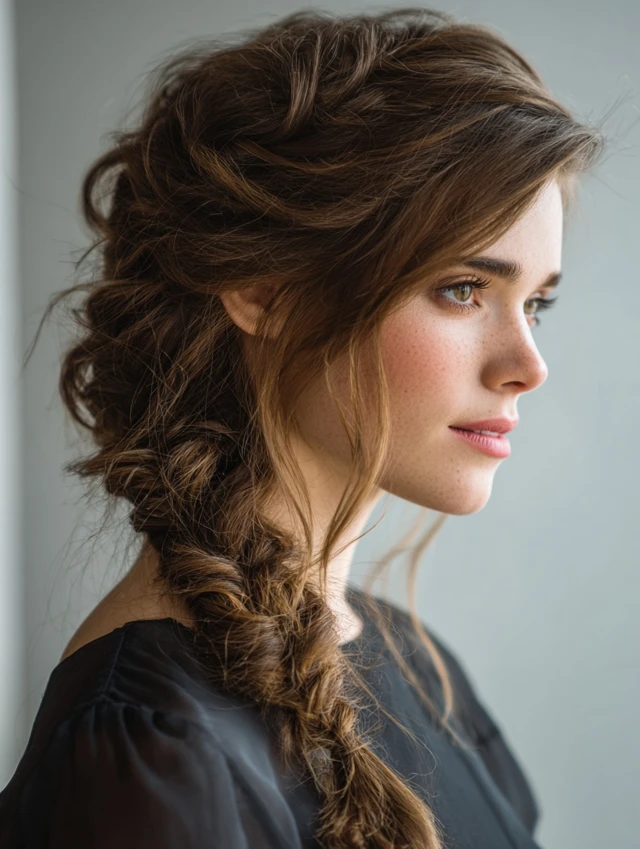
A side Dutch braid creates soft asymmetry. It works well for heart and oval face shapes because it draws attention diagonally. The raised texture adds volume.
1
2
3
4
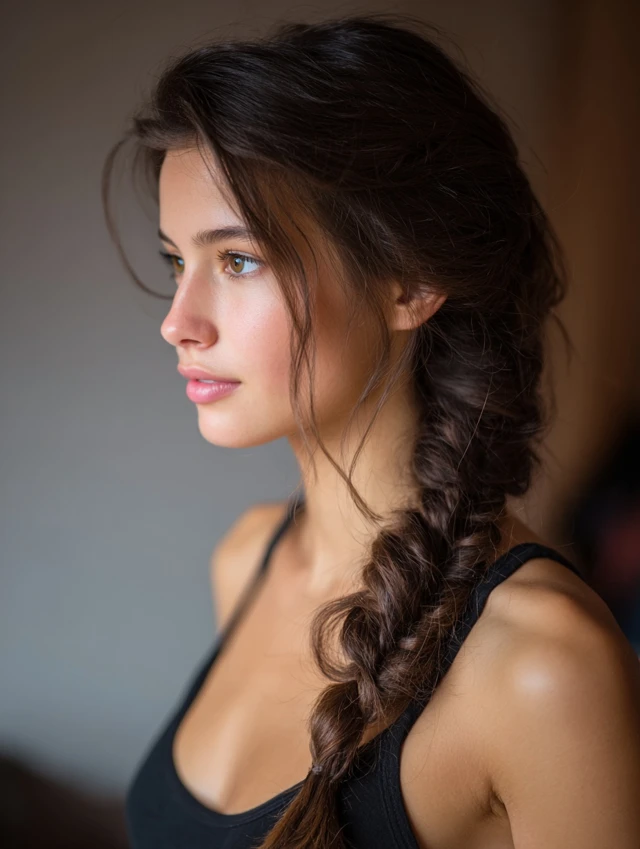
Sweep hair to one side and braid downward. Loosen slightly for a fuller look. This style fits casual events and relaxed settings. It adds interest without heavy styling.
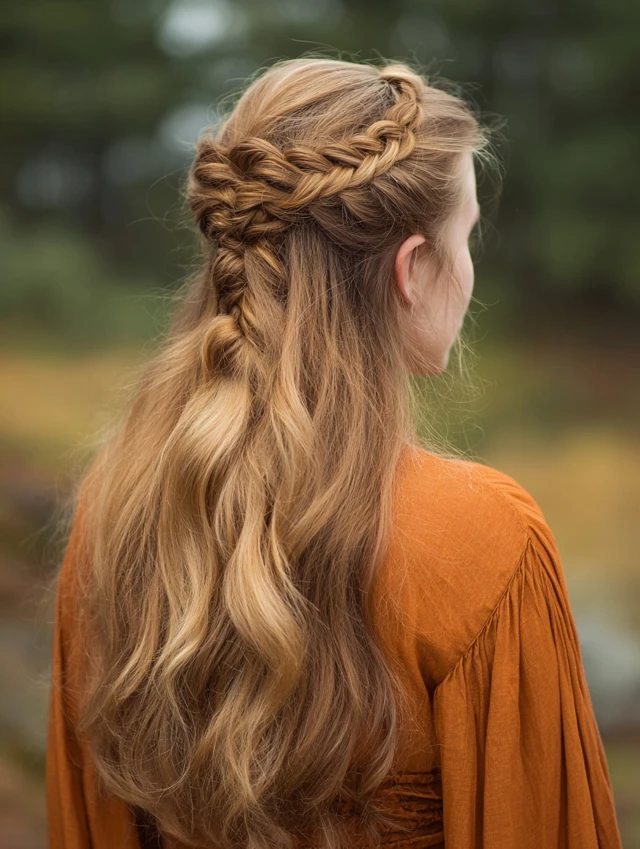
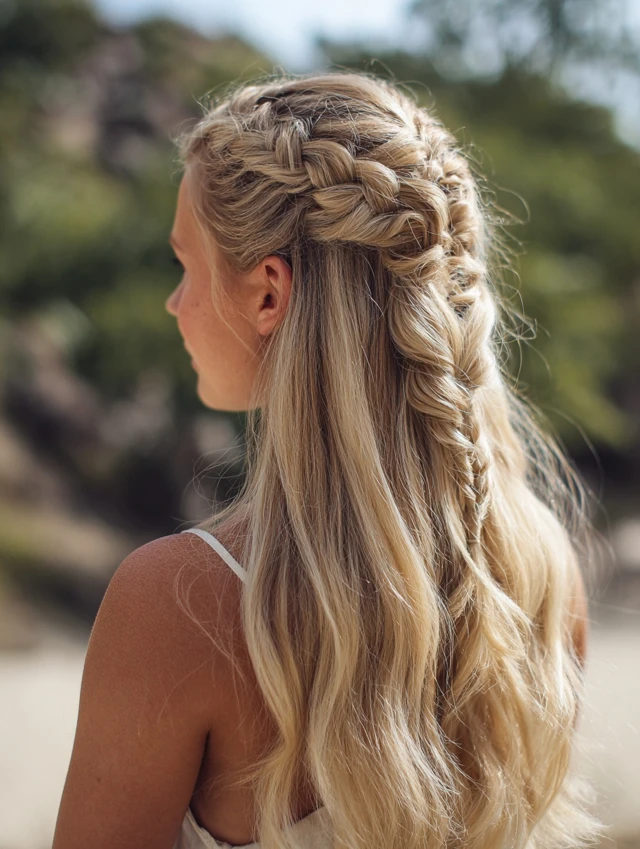
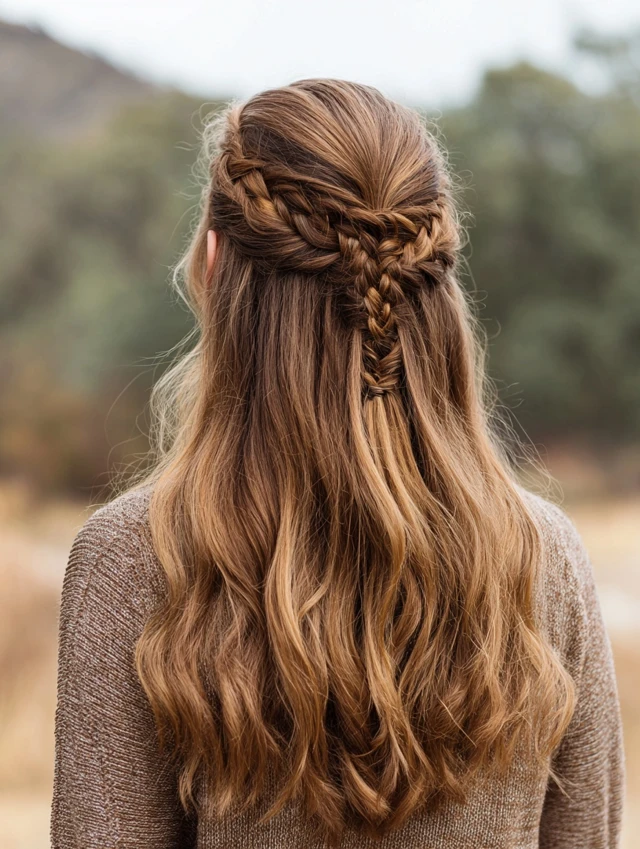
Half-Up Dutch Braid
The half-up version braids only the top section. This lifts the crown and leaves the rest flowing. It works well for medium to long hair and most face shapes.
1
2
3
4
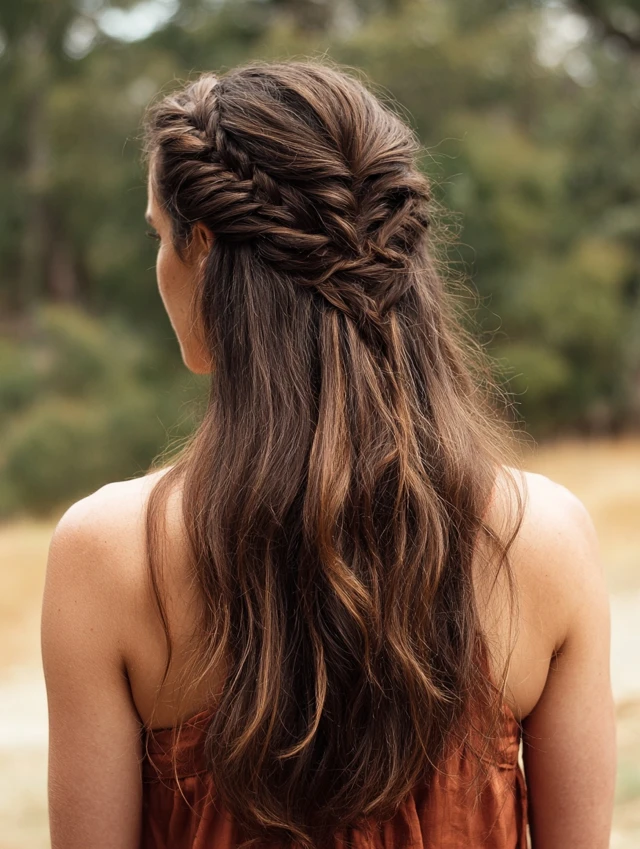
Keep the braid defined and secure with a small elastic. Let the bottom remain natural or lightly waved. This look fits school, work, and everyday wear.
Dutch Crown Braid
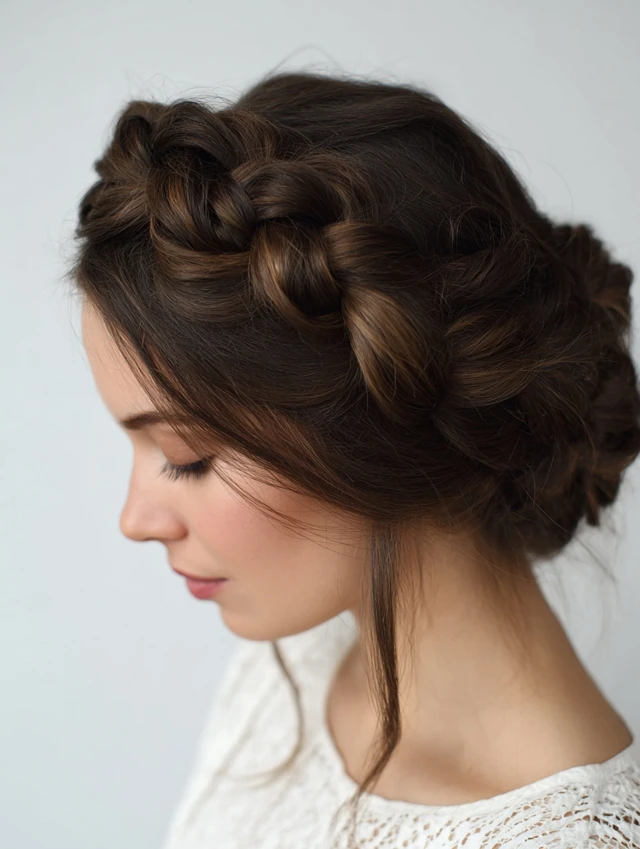
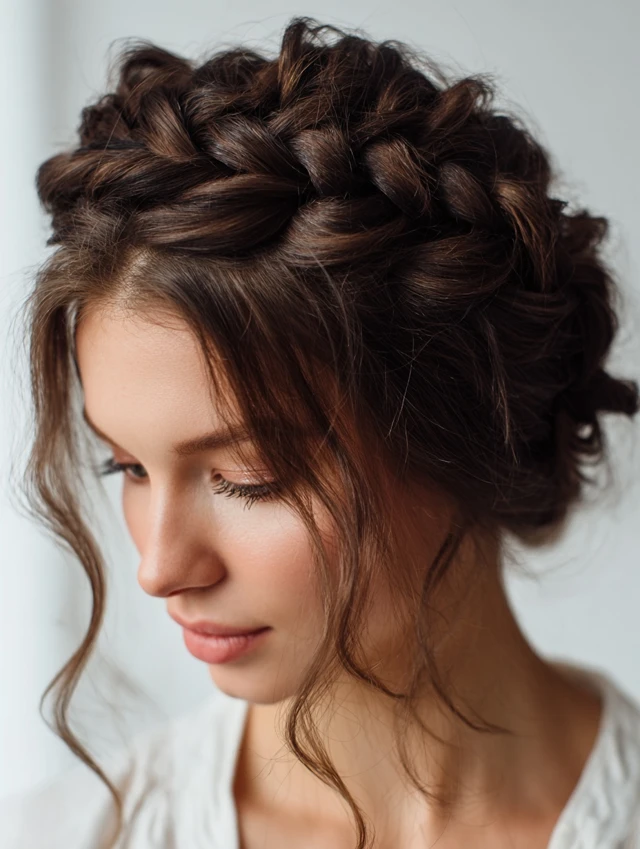
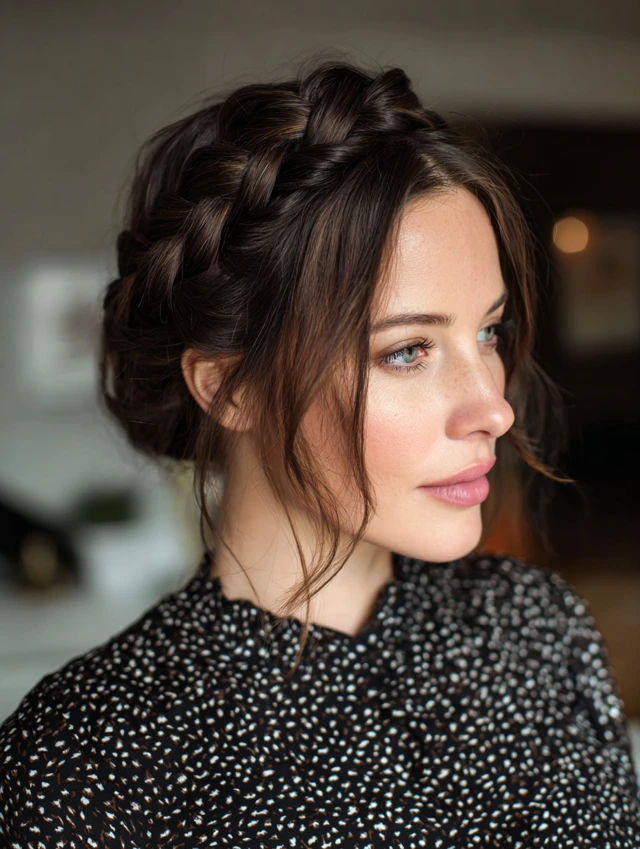
A Dutch crown braid wraps around the head like a halo. The raised texture creates a bold outline. This works well for oval and round faces because it adds structure.
1
2
3
4
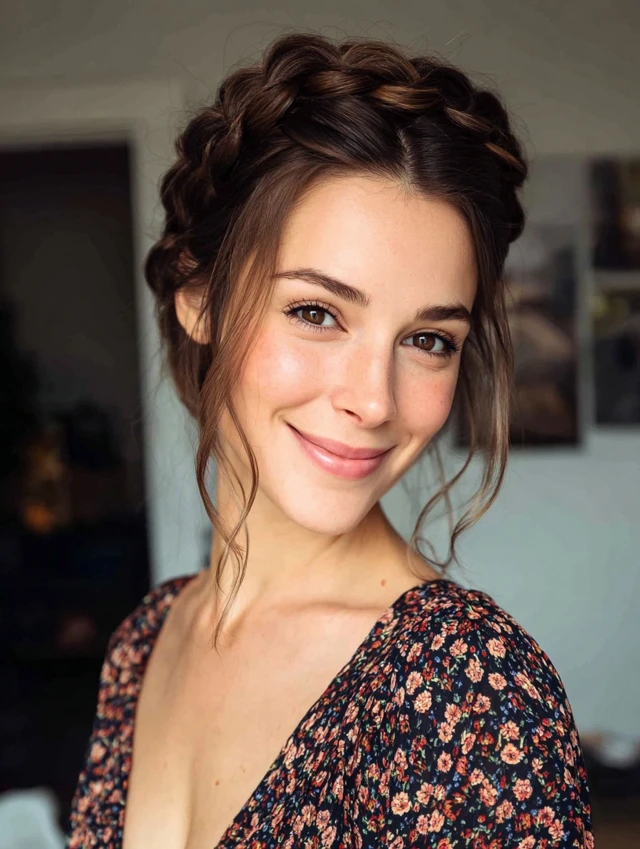
Divide hair into sections and braid along the hairline. Pin securely around the head. This style fits formal events and special occasions. It looks detailed but elegant.
How to Keep Dutch Braid Hairstyles Neat
Start with detangled hair. Slight texture or day-old hair grips better than freshly washed hair. Use light styling cream for control.
Keep sections even and tension steady. Secure ends tightly to prevent unraveling. Sleep with a satin scarf if wearing overnight. Consistent care keeps the braid defined.
Final Thoughts on Dutch Braid Hairstyles
Dutch braid hairstyles offer structure and dimension. The raised pattern makes them stand out instantly. They suit many settings and lifestyles.
You can keep it simple with one braid or bold with a crown style. Which Dutch braid would you wear for your next event?