19 Classic Bob Cut
The bob has stayed in constant rotation for a century for one simple reason, it's the rare cut that reads as polished with almost no effort. Most of its variations still trace back to the same core idea, a clean line at or near the jaw, but the details around that line make all the difference between forgettable and genuinely sharp. Here are nineteen ways to wear it.
Classic Blunt Bob

A blunt, one-length bob with no layering creates the cleanest, most graphic version of the cut. This works especially well on straight, healthy hair, since any texture or damage shows more obviously without layers to disguise it. A glossing serum keeps the ends looking sharp rather than dry.
Angled Bob

Cutting the bob longer in the front and shorter in the back creates a dramatic, forward-sloping line. This style suits most face shapes and adds visual interest without layering throughout. It works particularly well on straight hair, where the angle reads clearly.
Layered Bob

Soft layering throughout a bob adds movement and volume without sacrificing the cut's overall shape. This suits fine to medium hair density that benefits from a bit of lift. A texturizing spray enhances the layers without weighing them down.
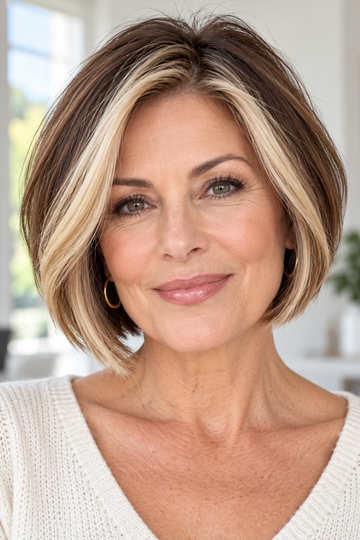
Chin-Length Bob

Hitting right at the chin, this length is one of the most versatile bob variations, working for both professional and casual settings. It suits most hair textures, from straight to wavy. Regular trims every four to six weeks keep the line looking crisp.
Bob with Blunt Bangs

Full, blunt bangs paired with a classic bob create a graphic, structured look reminiscent of some of the style's earliest iterations. This combination suits straight or lightly waved hair particularly well. Regular trims keep both the bangs and the bob's perimeter looking clean.
Wavy Bob

Loose waves added to a bob soften the cut's typically sharp lines while keeping the overall shape intact. This works well air-dried or with a light curling wand used on just a few sections. A texturizing spray applied to damp hair enhances natural movement.
Asymmetrical Bob

A bob cut longer on one side than the other adds intentional asymmetry to an otherwise classic shape. This suits most face shapes and works particularly well on straight hair, where the uneven line reads clearly. It requires slightly more precise trims to maintain as it grows out.
Bob with Side Part

A deep side part paired with a classic bob shifts volume to one side, creating subtle asymmetry without changing the cut itself. This works on straight or wavy hair equally well. It's an easy daily styling adjustment that changes the overall look without a new haircut.
French Bob

A shorter, chin-length bob with soft, wispy bangs, the French bob leans into a slightly undone, effortless quality compared to a blunt classic version. This suits most face shapes and works especially well with a bit of natural texture. Light texturizing product keeps the ends from looking too polished.
Bob with Curtain Bangs

Curtain bangs split down the middle soften the whole face while the rest of the bob stays simple. This combination works well styled straight or with a bit of natural wave. A round brush used while blow drying helps direct the bangs into their sweep.
Textured Bob

Piecey, separated texture throughout a bob breaks up the cut's usual smoothness for a slightly edgier finish. This suits most hair densities and works particularly well on hair with some natural texture already built in. A matte paste worked through with fingers defines the pieces.
Bob with Undercut

A subtle undercut beneath a bob removes bulk at the nape, letting the top layers sit lighter. This suits thicker hair that can otherwise feel heavy at bob length. The undercut stays hidden under the top layer, visible only when hair is lifted or worn up.
Curly Bob

For naturally curly hair, a bob cut with soft layering lets curls fall with volume and bounce rather than clumping into one heavy shape. This suits coily to loosely curled patterns particularly well. Diffusing while drying helps hold the shape without curls dropping past the intended length.
Bob with Money Piece Highlights

Two brightened face-framing pieces add subtle contrast to a classic bob without an all-over color change. This works on straight, wavy, or curly versions of the cut alike. It's a lower-commitment way to brighten a look while keeping the bob's simplicity intact.
Sleek Middle-Part Bob

A bob styled with a precise middle part and no additional layering creates the cleanest, most symmetrical version of the cut. This works especially well on straight or blow-dried hair. A flat iron helps achieve the sleekest possible finish.
Bob with Root Melt Color

A soft root melt blending natural color into a slightly lighter shade removes the harsh line that can show through a bob as gray or regrowth becomes visible. This technique suits hair transitioning color unevenly. Glossing appointments every few months keep the melt looking fresh.
Stacked Bob

Layering concentrated at the back, with length graduating shorter toward the nape, creates a rounded, voluminous shape at the back of a bob. This suits most hair densities and adds fullness without changing the front length. It works particularly well on straight to slightly wavy hair.
Bob with Face-Framing Layers

Layers cut specifically around the front of a bob highlight the face without changing the overall cut's simplicity. This works well for adding a bit of dimension without a dramatic style change. Regular trims keep the face-framing pieces looking intentional rather than grown out.
Long Bob

Extending the classic bob's length to just past the collarbone offers more versatility while still carrying the cut's clean, structured lines. This medium length works well styled straight, wavy, or with added layers. It suits most face shapes and hair textures.