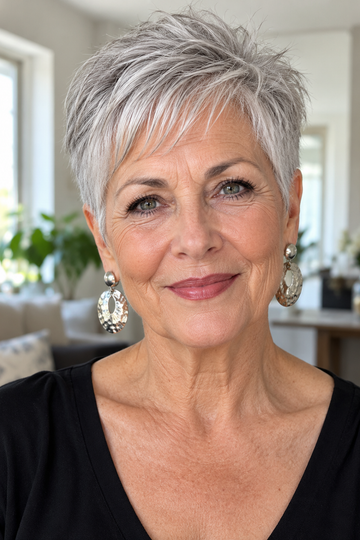
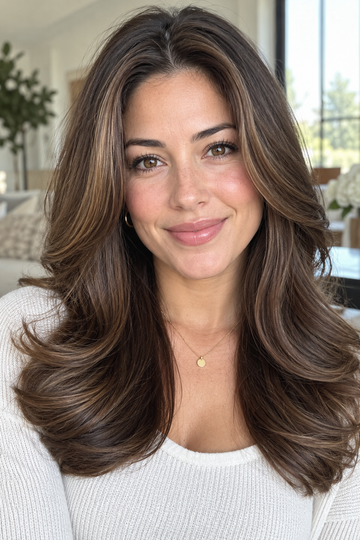
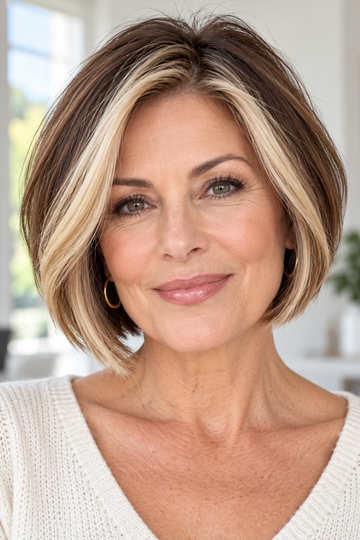
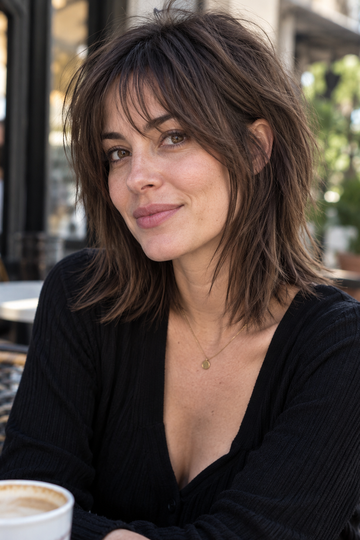
18 Champagne Blonde Hair Color
Champagne blonde sits in a narrow, specific lane, cooler and more muted than golden or honey blonde, but not as stark as platinum. That subtlety is exactly what makes it tricky to get right and worth doing carefully, since a shade too warm reads as regular blonde and a shade too cool reads as gray. Here are eighteen ways to wear it.
Classic Champagne Blonde Balayage

Balayage keeps champagne tones concentrated through the mid-lengths and ends, painted freehand for a soft transition from a slightly deeper root. This technique suits medium to dark blonde bases particularly well, since less lifting is required to achieve the cool, muted tone. Toning every six to eight weeks keeps the color from drifting warm.
Champagne Babylights

Fine, closely placed foils create subtle champagne dimension without pushing the whole head lighter. This works especially well on natural blondes wanting added depth. Babylights require more foils than standard highlights, so expect a longer appointment for a more blended, natural-looking result.
All-Over Champagne Blonde

A single, uniform champagne shade applied throughout delivers the most consistent, saturated version of the color. This route requires significant pre-lightening on darker bases, along with regular root touch-ups as regrowth appears. Purple shampoo used weekly helps maintain the cool, muted tone between salon visits.
Champagne Blonde Root Melt

A root melt blends a slightly deeper natural root directly into champagne blonde through a soft gradient, avoiding a harsh line of demarcation. This is a practical option for anyone not ready to commit to frequent root touch-ups. The melt needs refreshing roughly every four months as new growth comes in.
Champagne Blonde on Brunette Hair

Achieving champagne blonde on a brunette base typically requires several rounds of lightening to remove enough underlying warmth before the cool tone can show properly. This process takes longer and costs more than starting from an already-blonde base. Regular toning appointments are essential to prevent the color from turning brassy between sessions.
Champagne Blonde Foilyage

Combining freehand balayage painting with the lift foils provide gives champagne blonde more brightness and saturation than balayage alone. This technique suits anyone wanting a noticeably lighter result without going fully platinum. The added processing time in the chair pays off in richer tonal depth.
Champagne Blonde Money Piece

Two brightened champagne pieces framing the face brighten the complexion while the rest of the hair stays closer to its natural shade. This is a lower-commitment way to try the color without an all-over change. Placing the pieces slightly asymmetrically keeps the result looking natural rather than stenciled.
Champagne Blonde Ombré

Ombré keeps the natural root intact and transitions into champagne blonde through the lower half, creating a more visible shift than balayage's soft blend. This suits anyone wanting a clear color statement without frequent root touch-ups. Ends may need occasional toning since the lightest sections fade fastest.
Champagne Blonde Sombre

A quieter, more gradual version of ombré, sombre lets the shift from root to champagne end happen subtly and stay close in tone throughout. This works well as a middle ground for anyone finding balayage too soft and ombré too bold. The low-maintenance blend can often stretch four to five months between salon visits.
Champagne Blonde on Fine Hair

Fine hair tends to show color more evenly since there's less density to create shadow or depth naturally. This means champagne blonde can look particularly luminous on finer strands, though the color may also show root regrowth more quickly. A lightweight toning gloss helps maintain shine without weighing hair down.
Rooted Champagne Blonde

Keeping a deliberately visible root a shade or two darker than the champagne length creates a low-maintenance, grown-out look that still reads as intentional. This technique suits anyone wanting to stretch time between appointments significantly. The rooted approach also softens the transition as natural regrowth occurs.
Champagne Blonde Highlights on Dark Blonde

Champagne highlights woven through a dark blonde base add dimension without dramatically changing the overall depth of color. This combination requires less lifting than starting from brunette, making it a gentler process on hair health. Regular glossing keeps the highlighted sections looking cohesive with the base color.
Champagne Blonde with Cool Undertones

Specifically requesting ash or violet-based toner alongside champagne blonde ensures the color stays cool rather than drifting toward warm gold or yellow. This is particularly important for anyone with naturally warm undertones in their hair. Purple shampoo used once or twice weekly maintains the cool cast between salon visits.
Champagne Blonde Peekaboo Highlights

A hidden panel of champagne blonde placed underneath a deeper base reveals itself only when hair moves or gets tucked back. This is a lower-maintenance way to try the shade without committing to visible color throughout. The hidden placement also means less frequent touch-ups are needed.
Champagne Blonde on Curly Hair

Curly or wavy hair takes lightening differently than straight hair, since the curl pattern can affect how evenly color processes throughout each section. This combination often benefits from a colorist experienced specifically with textured hair. A moisturizing toning treatment helps keep curls from feeling dry after the lightening process.
Champagne Blonde Face-Framing Highlights

Rather than coloring the whole head, this focuses champagne tones strictly around the face, brightening the complexion where it matters most. It's one of the lowest-commitment ways to try the shade before going further. Colorists typically place these pieces asymmetrically so the framing looks natural rather than uniform.
Full Champagne Blonde Gloss

For hair already close to the desired tone, a gloss treatment alone can shift the color toward champagne without the lifting process a full dye job requires. This option works best on hair that's already light blonde. Glosses fade faster than permanent color, typically needing reapplication every four to six weeks.
Champagne Blonde with Lowlights

Adding subtle lowlights a shade or two deeper than the champagne base creates dimension and depth that an entirely flat color lacks. This technique works well for anyone wanting the shade to look more natural and less uniformly processed. It also helps disguise regrowth slightly longer between root touch-ups.